Chalmers To Coventry & Co: The Olympic Games At A Tipping Point On Your Watch
"We're in a really tough spot in our sport, and I just feel like it's on me to actually speak up ... I think that there's a very big false narrative out there that if you're an Olympic athlete winning gold medals that you've kind of set yourself up in life - very far from the truth" - Kyle Chalmers
Kyle Chalmers has warned swimming and Olympic governors at all levels that the sport stands at a tipping point, then likelihood of far more athletes taking the bait of an Enhanced pay day because Fair Play means no pay.
It was only a matter of time before we got to the moment when an Olympic champion who made the right choice but in opting not to take the doping dollar on offer to unpaid Olympians of late understood he'd be poorer for it, would meet the media on a burning deck and fire a warning shot to Lausanne and every level of Olympic sport below an IOC throne that doesn't believe athletes should be paid for their key role in fuelling a multi-billion-dollar business.
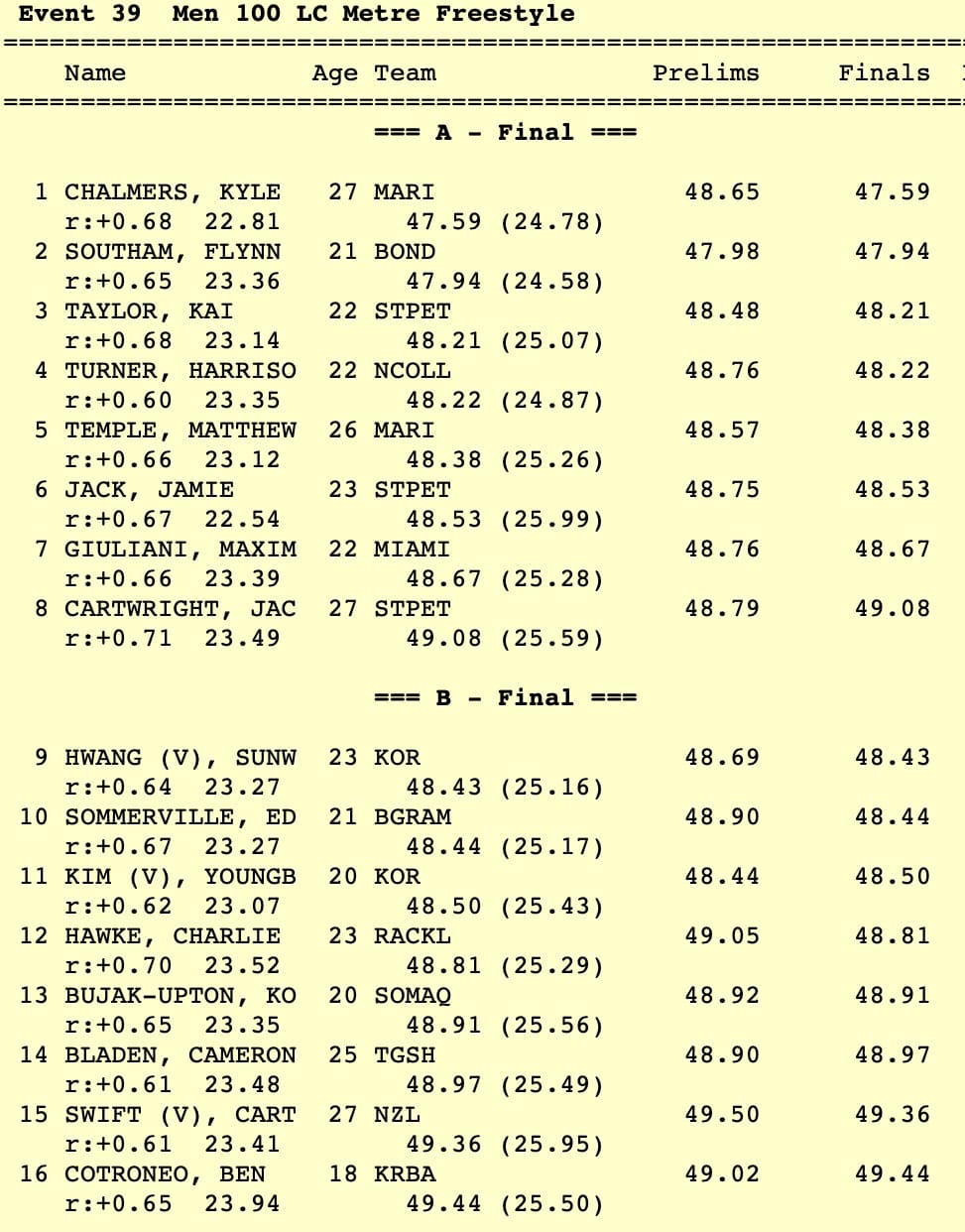
Chalmers clocked 47.59 to top the 100m free final at Australian Trials in the 2000 Olympic pool in Sydney this evening as the sole instant Dolphin qualifier for the solo event at the Commonwealth Games.
After a few questions about his swim and Aussie relay prospects, the 2016 Olympics 100m champion who claimed silver in the same event at the following two Games, was asked about the Enhanced bait and the moment Kirsty Coventry made it all the more tempting when she sent out a message that effectively told elite athletes: 'no pay day for any of you at the Games ... you're the gladiators, solidarity the program that shifts the money to athletes with even less than you have in an organisation that pays its top 10 directors over $30 million Tokyo2020ne to Paris 2024.'
 Craig Lord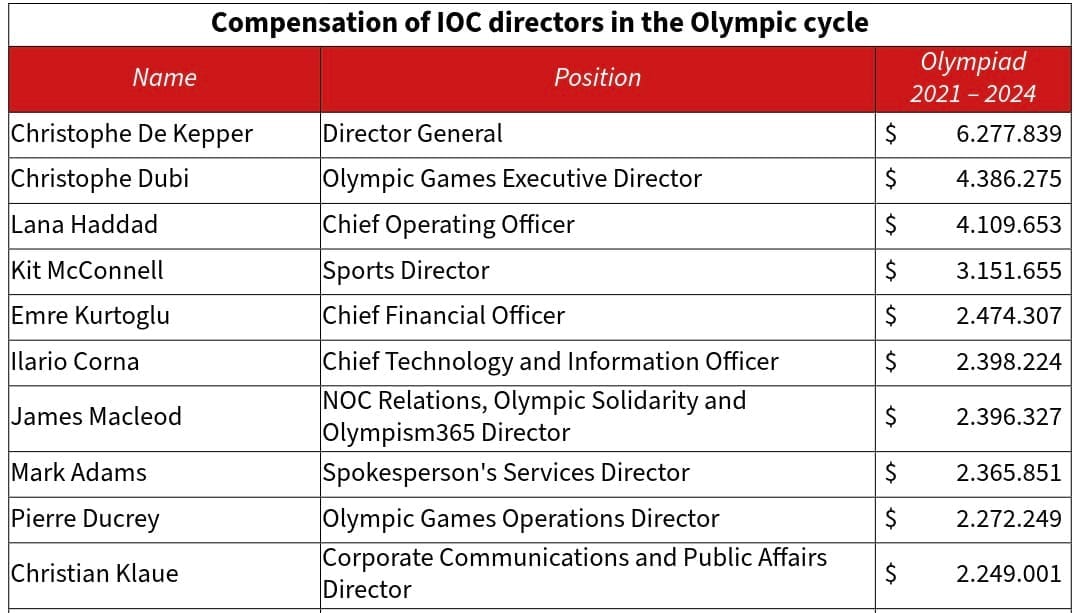
Global Athlete has urged the IOC to consider very doable solutions:
 Craig Lord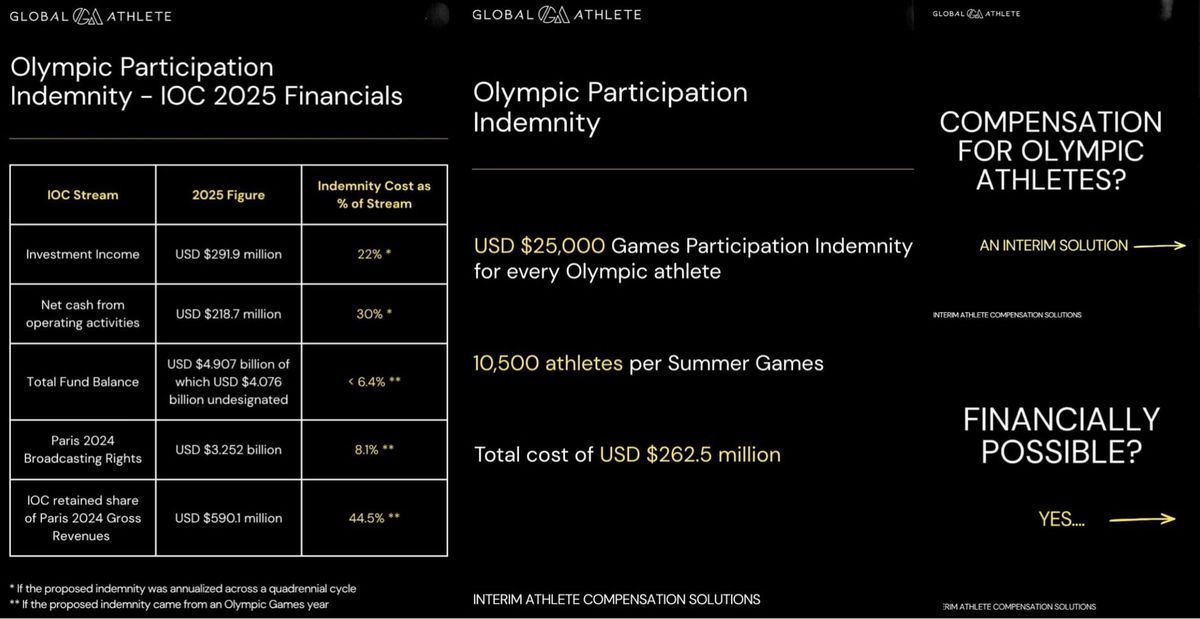
Coventry's comments could not have come at a worse moment if she thought her words would land softly in the ears and hearts of athletes: the Enhanced Games had just paid silly amounts of money to very few swimmers for shiny suited sprints, most of them fuelled by doping, too - at a damp squib of an event in Las Vegas.
A Greek swimmer was paid $1m for supposedly breaking a record that he was not eligible for on numerous grounds, the doping, the suit and the event conditions a part of a basket of apples and pears that many considered to be something of a pig in a poke:
 Craig Lord
 Craig Lord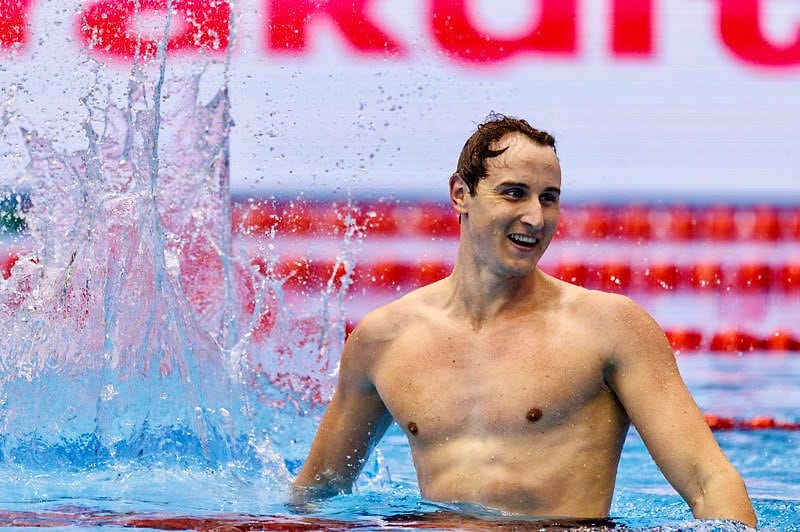
The last question put to Chalmers by media after his race cut to the chase:
Do you think that something like this can be a tipping point, though, when there is such a stark comparison?
"I think it will be. I truly believe that more and more athletes will be more inclined to go across there and walk away from the sport in a slightly better financial situation than what they would have if they chose the right path and represented their country and went to 4 or 5 Olympics. And it's not on Australian taxpayers to cover that, or I'm not expecting any of that. I'm expecting (it from) the organisations that are generating so much money out of our races.
"Like, for me and Rio, I've never even been able to see that race because it's owned by the broadcasters, and I'm not allowed to then post my personal sponsors through that period of time, which makes it hard to pick up sponsors as well, right? So we're in a really tough spot in our sport, and I just feel like it's on me to actually speak up. So people actually understand because I think that there's a very big false narrative out there that if you're an Olympic athlete winning gold medals that you've kind of set yourself up in life, where it's very far from the truth."
Much more of that below, but first the race, then some fine snaps of the champion, before we get back to what he had to say and the context in which he said it:
Here's the actual swimming:
Chalmers was the sole qualifier, while Flynn Southam, Kai Taylor and Harrison Turner were first in line for relay action at Glasgow 2026 Commonwealth Games. Here;s the final and the B final, the quality of which is key in the context of what Chalmers had to say when he noted that just to be at Trials had cost him Aus$5,000 ... to end up top of the pile once more at the helm of 16 men in A and B finals. most of whom Coventry couldn't care less about because while they may be ranked in the best 50 and 100 in the world, they will never see an Olympic Games at which far slower swimmers who are part of the solidarity round will race and forever be able to place OLY after their names, while Olympic podium placers get no financial reward from the money tree they water with every passing cycle .
Here's the champion...
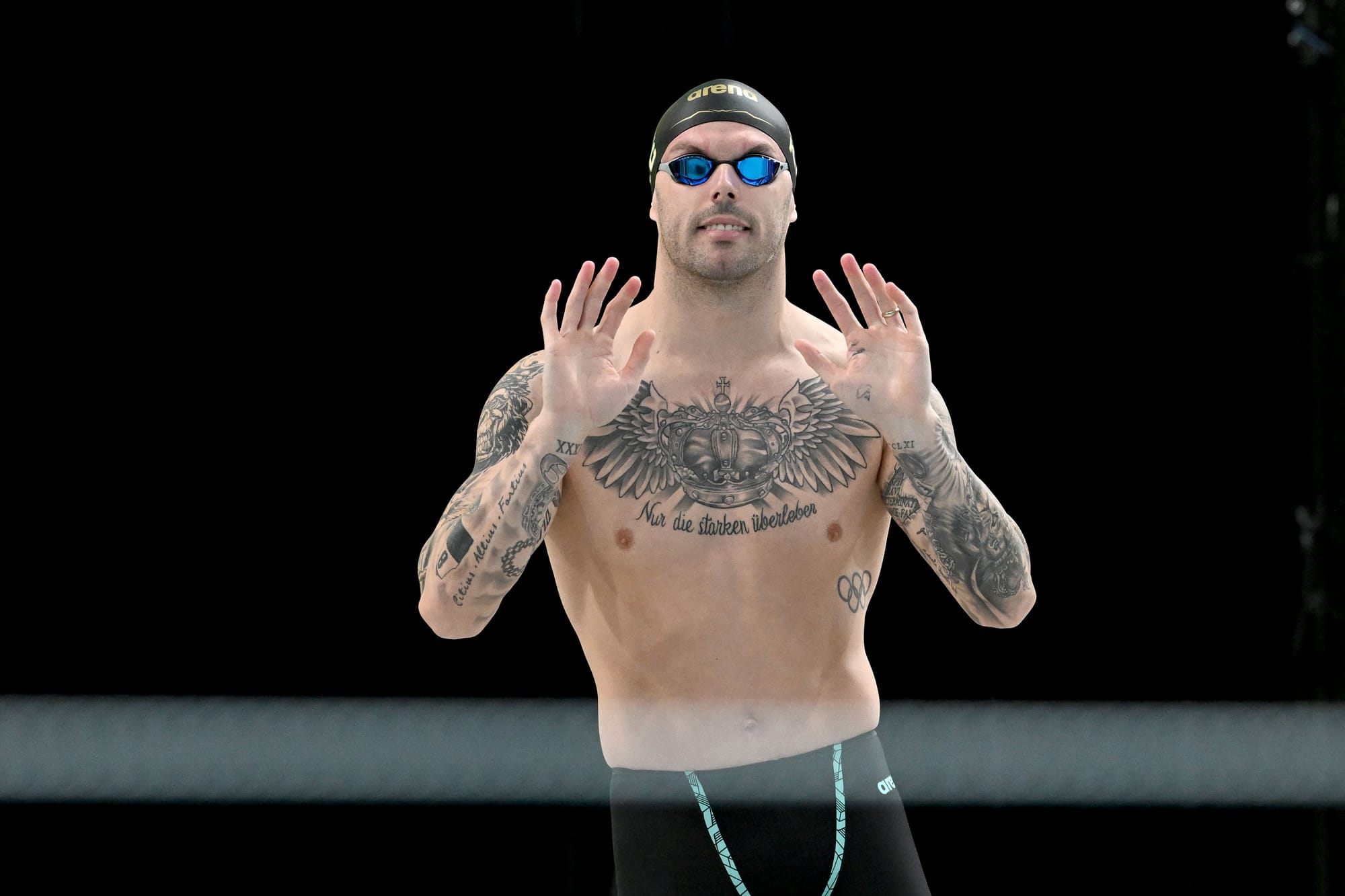
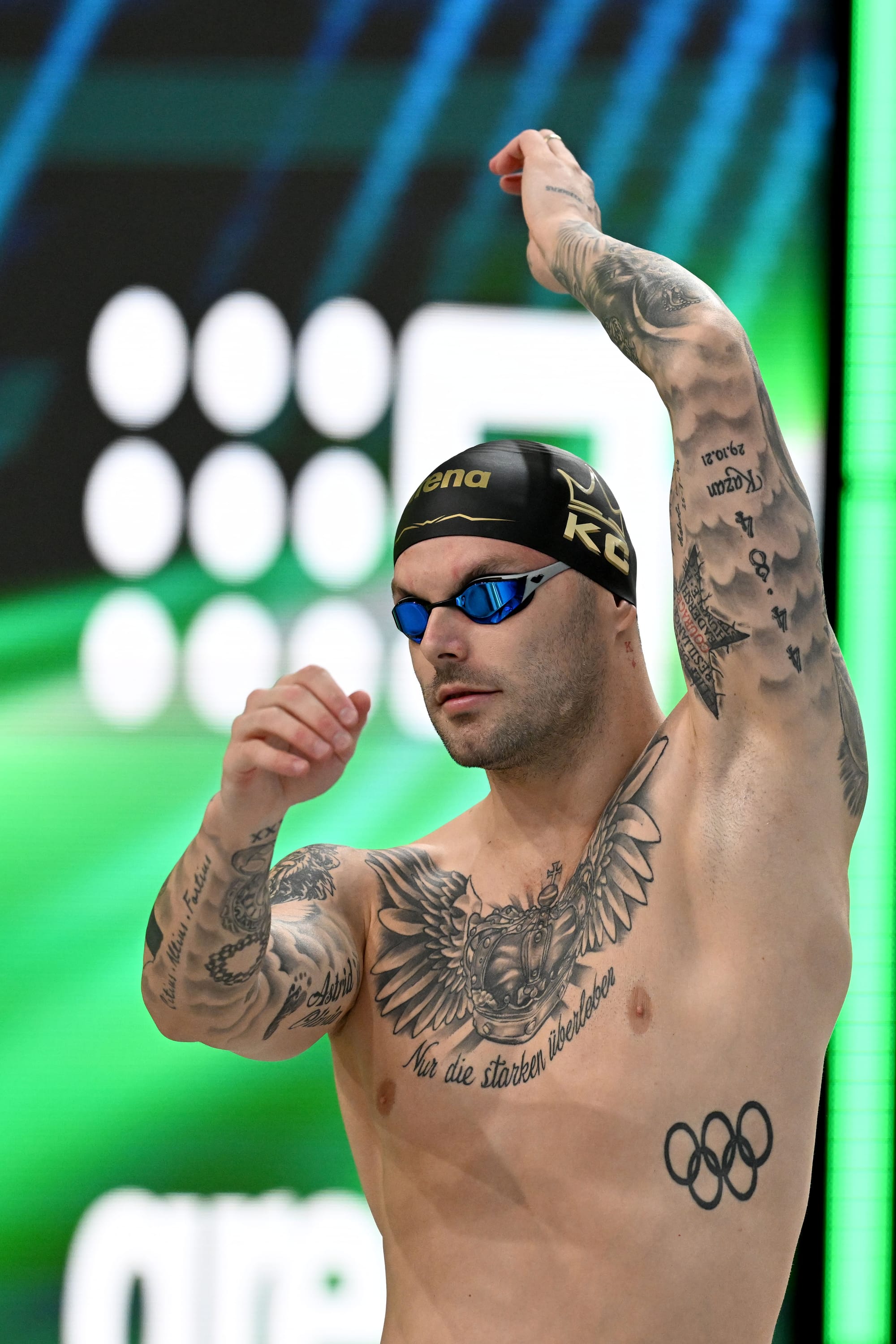
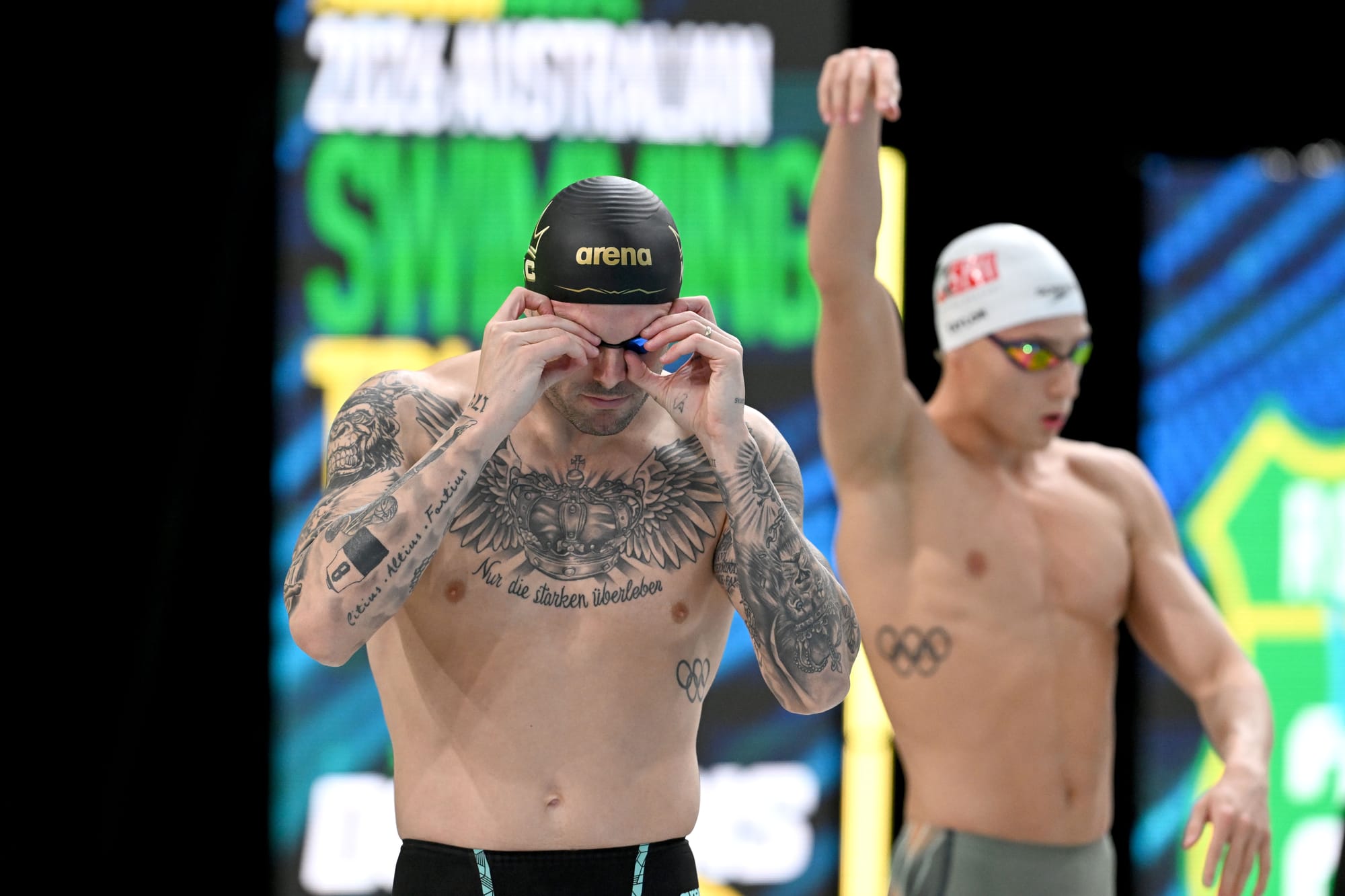
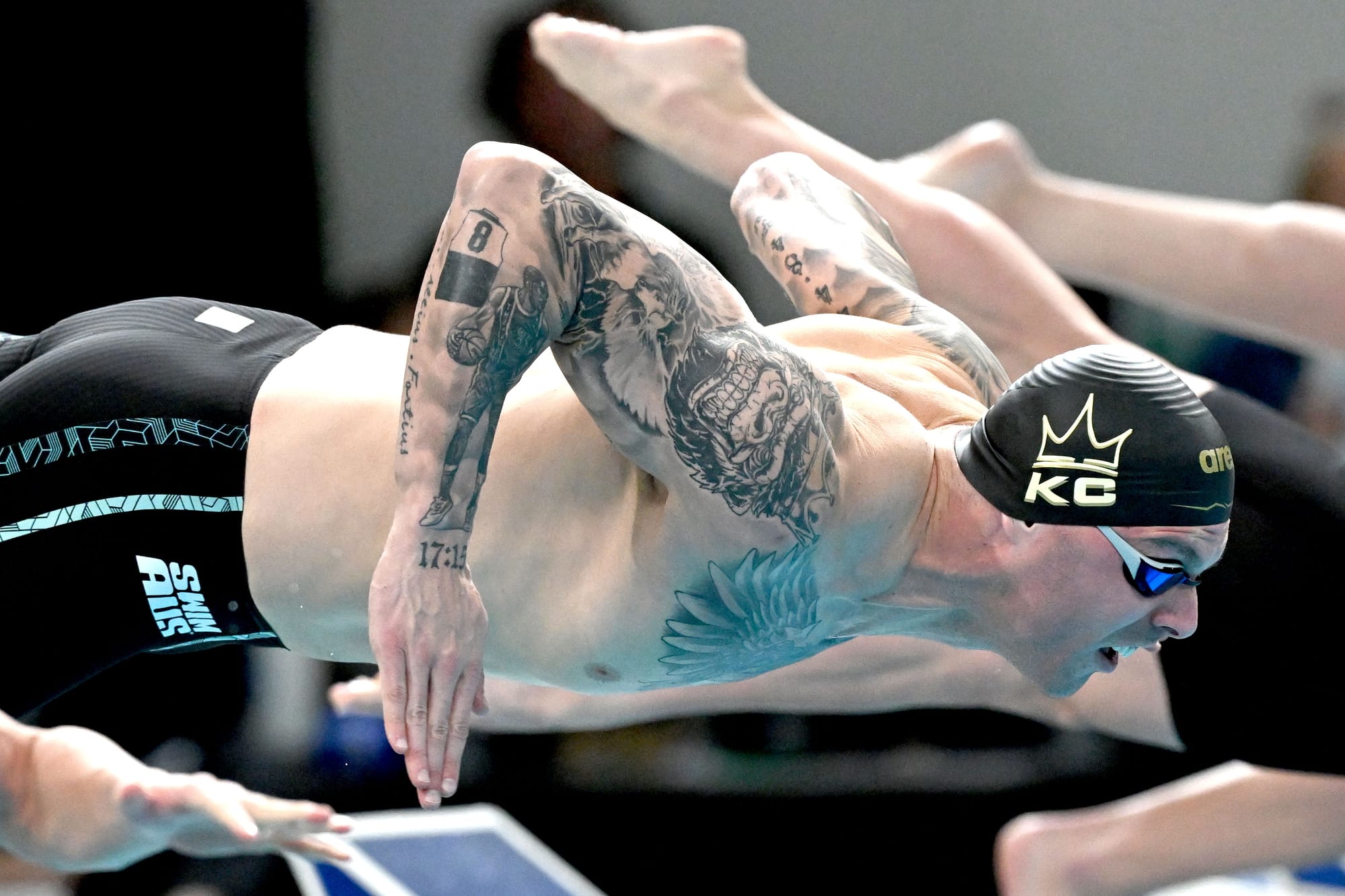
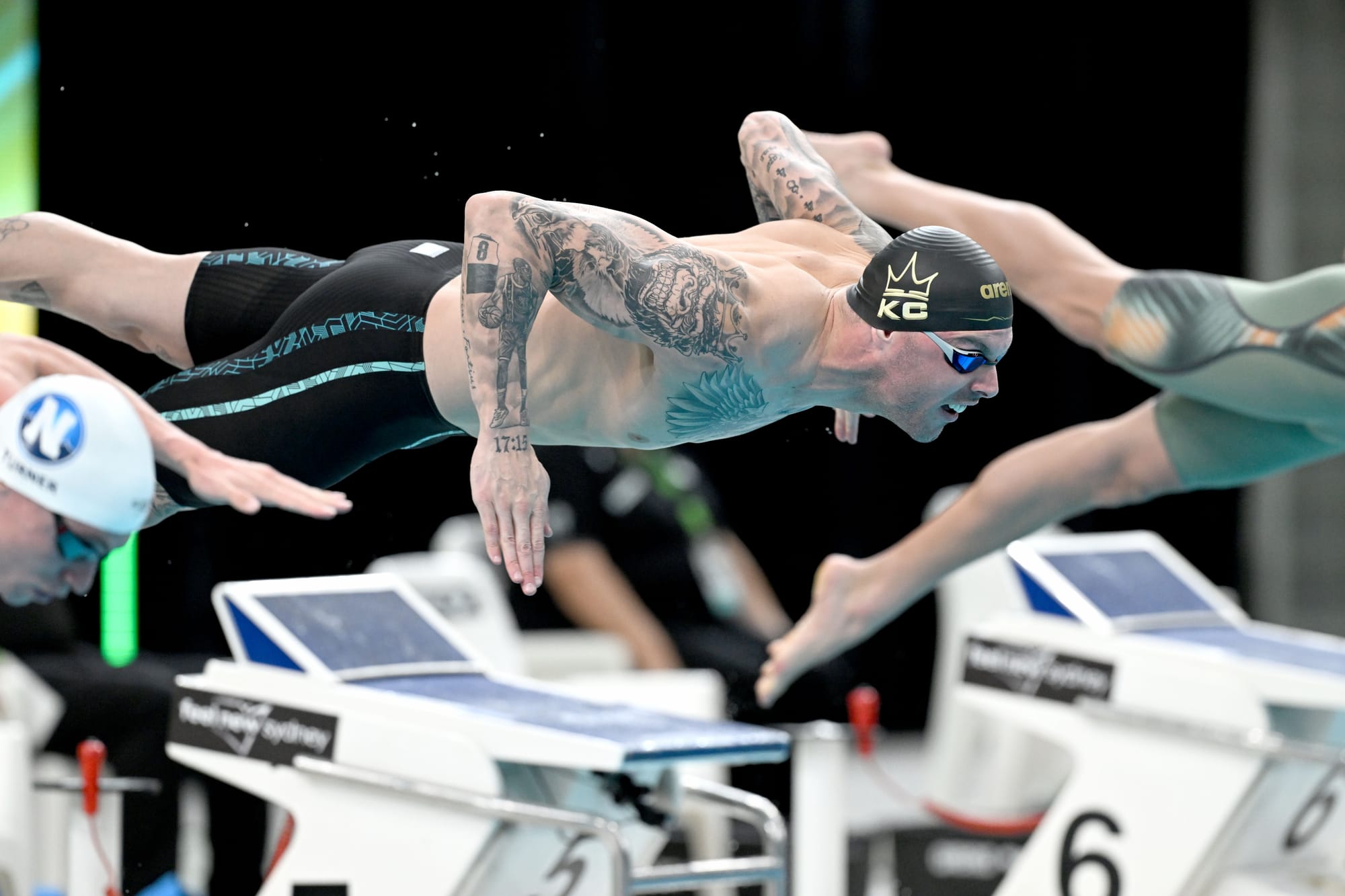
KYLE CHALMERS - photo by Delly Carr, courtesy of Swimming Australia
And here is what he had to say... in the order it was all said in, Nicole Jeffery poolside in Sydney for SOS:
Is it the pursuit of the perfect race that is keeping you going at this point?
Yeah, for sure. Absolutely. 10 years is a very long time, like a decade of doing the 100 freestyle. And it's tough. It's such a hard sport, and I'm 28 years old now, and I know that I'm getting to the back end of my career, and I've given everything to my sport, which means you sacrifice a very important chapter of your life, in terms of trying to get some form of education, or job, like I'm going to come out of sport, having nothing behind me, and start from square one, whereas my friends that I finished school with are 10 years ahead of me in the work field. In swimming you make a lot of very hard decisions and sacrifices for what I feel is very little reward, and I really hope that our governing bodies can actually start to create change, because it's very easy for a lot of us swimmers to voice our concerns at times, but nothing seems to change, and there's millions of dollars being left in bank accounts that people are using our images and our performances for, and we don't reap the rewards of, which is unfortunate.
Are you talking about the IOC and its president's recent comments?
"I think it goes for not only the IOC, but right down. Yes, and, you know, as a 28 year old with a young family, a mortgage, it's very hard to continue to go. Like we fund these things ourselves, for me to come to trials cost me $5,000, for me to race tonight cost me $36. It's a sport that takes a lot from you. And I really hope that from the top right down, there's going to be some change, whether it's in my sporting time or career, but if not, hopefully, I can at least speak up to make it a little bit better for the next generation coming through, because I don't see why you would probably choose this avenue, honestly. As sad as it is."
Kyle, you turned down a big offer to do Enhanced Games? What did you make of what happened a couple of weeks ago in Vegas?
"I mean, I'm never going to knock an athlete for trying to better their life or their family's life, to be honest with you. Obviously, I chose my choice, which I'm very proud of. I get to go represent Australia at another Commonwealth Games, but I'm saying, now more than ever as a 28 year old with a young family, a mortgage, a wife that's on a student visa which means she can't work in our country, not being in a sports institute, so having to fund things myself, money is actually more important to me than ever. So I'm not going to ever criticise athletes for going and wanting to better themselves and set their families up, because for me, I've won 48 international medals, I think. And I would have got less prize money for those 48 international medals than Hunter Armstrong, who raced clean at the Enhanced Games, and got 375 grand for 2 races.
"It's really sad to see how uneven it is, especially when the IOC president comes out and makes pretty harsh comments through that period of time."
Which is when he is asked, as above, Do you think that something like this can be a tipping point, though, when there is such a stark comparison?
"I think it will be. I truly believe that more and more athletes will be more inclined to go across there and walk away from the sport in a slightly better financial situation than what they would have if they chose the right path and represented their country and went to 4 or 5 Olympics. And it's not on Australian taxpayers to cover that, or I'm not expecting any of that. I'm expecting (it from) the organisations that are generating so much money out of our races.
"Like, for me and Rio, I've never even been able to see that race because it's owned by the broadcasters, and I'm not allowed to then post my personal sponsors through that period of time, which makes it hard to pick up sponsors as well, right? So we're in a really tough spot in our sport, and I just feel like it's on me to actually speak up. So people actually understand because I think that there's a very big false narrative out there that if you're an Olympic athlete winning gold medals that you've kind of set yourself up in life, where it's very far from the truth."
And here are the other men in line for that Aussie 4x100m free in Glasgow:
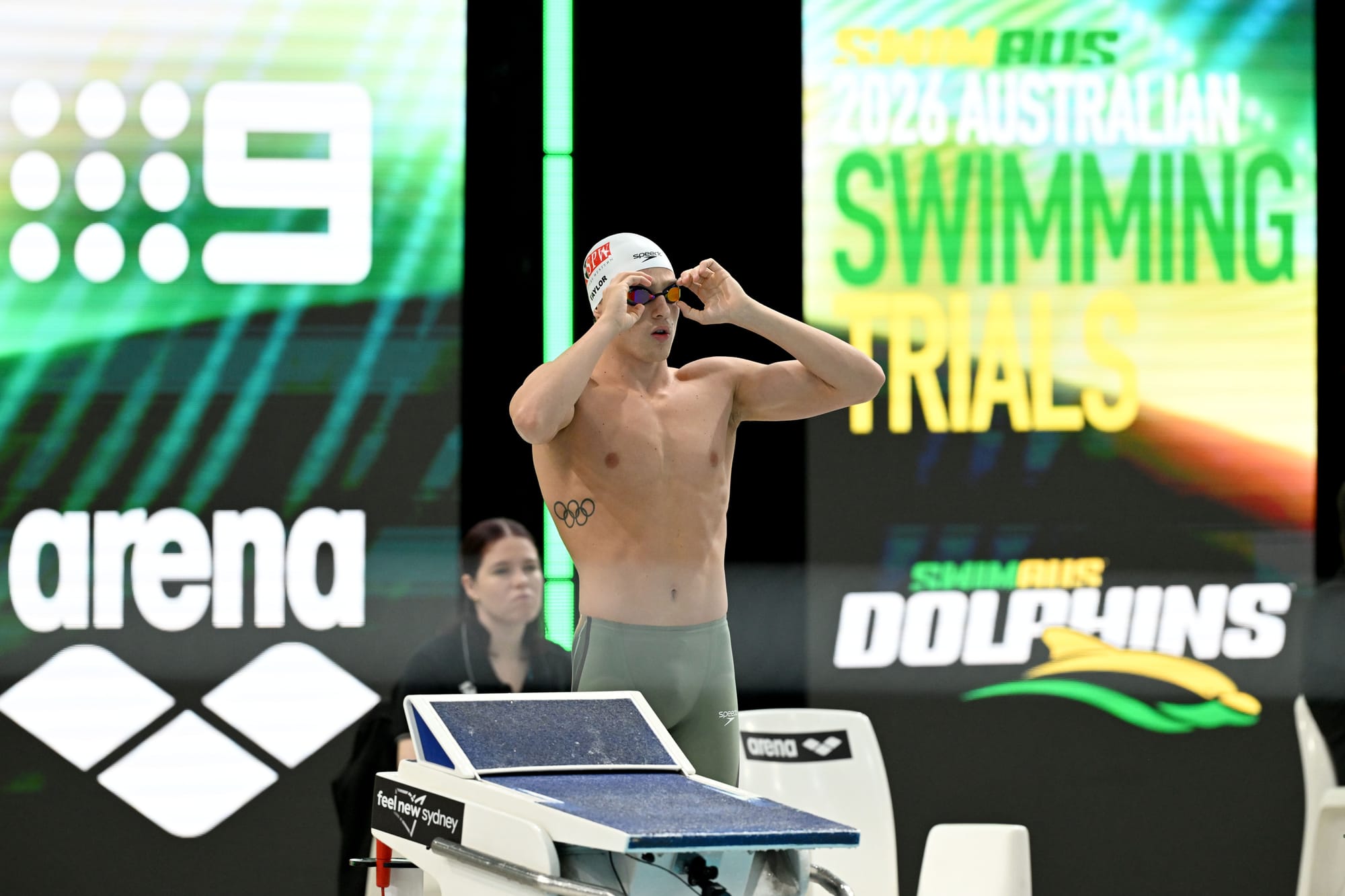
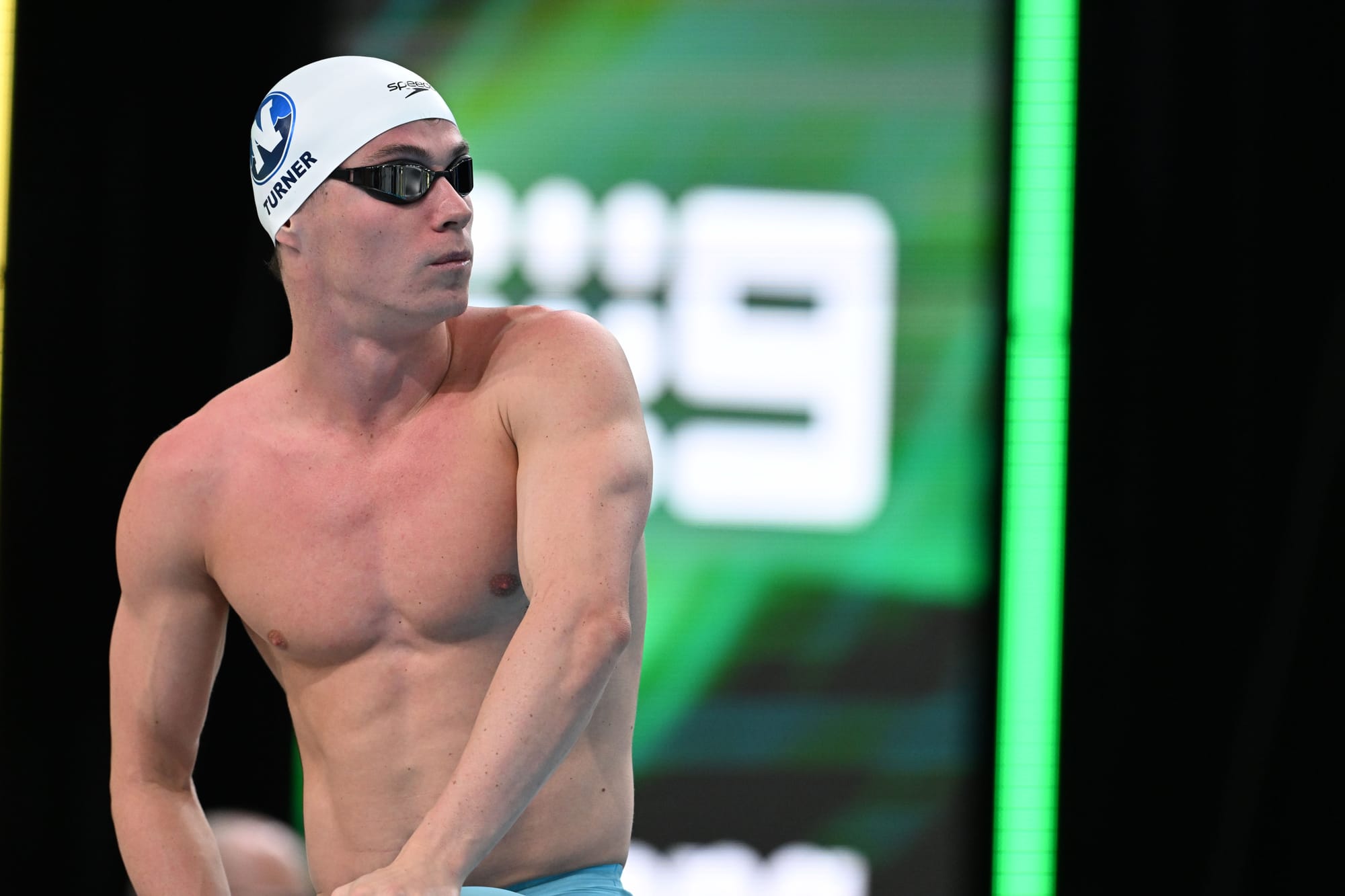
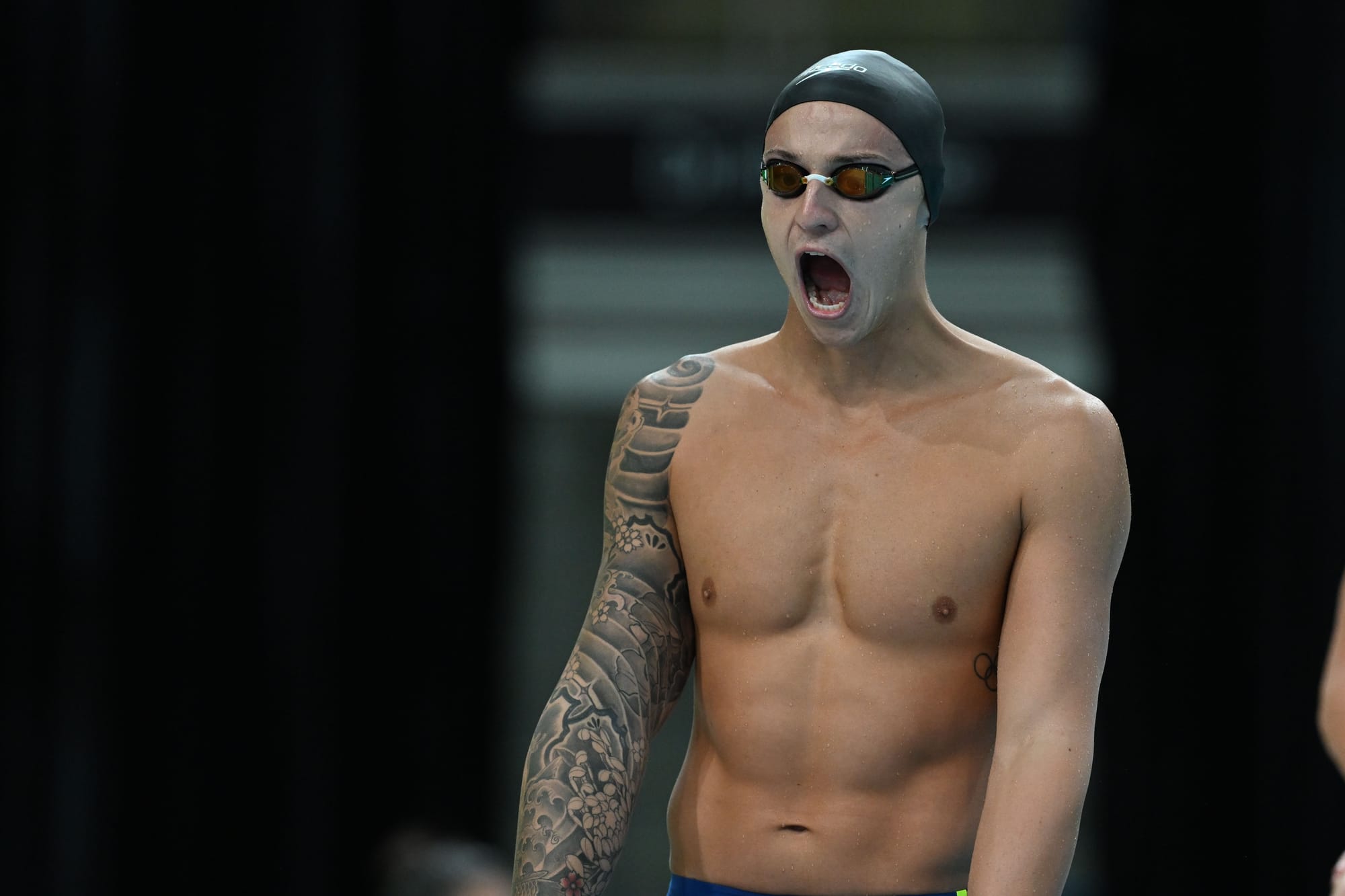
L-R: Kai Taylor, Harrison Turner, Flynn Southam - photos by Delly Carr, courtesy of Swimming Australia
On Fair Pay For Fair Play - SOS Coverage:
Our Latest FORUM mini-series
Part 1
 Craig Lord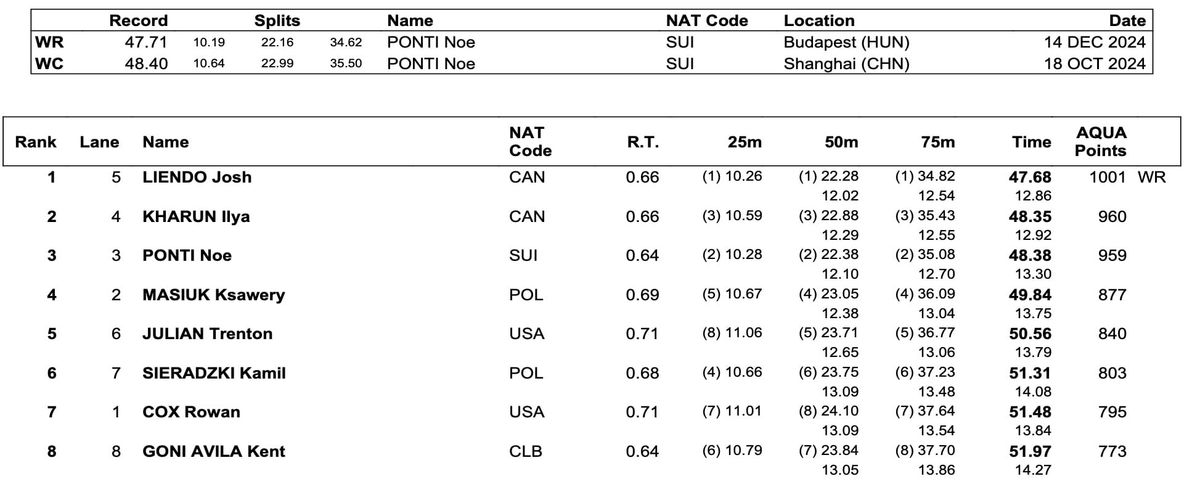
Part 2
 Craig Lord
Part 3
Craig Lord
Part 4
Craig Lord
Part 5
 Craig Lord
Part 6
 Craig Lord
Editorials
 Craig Lord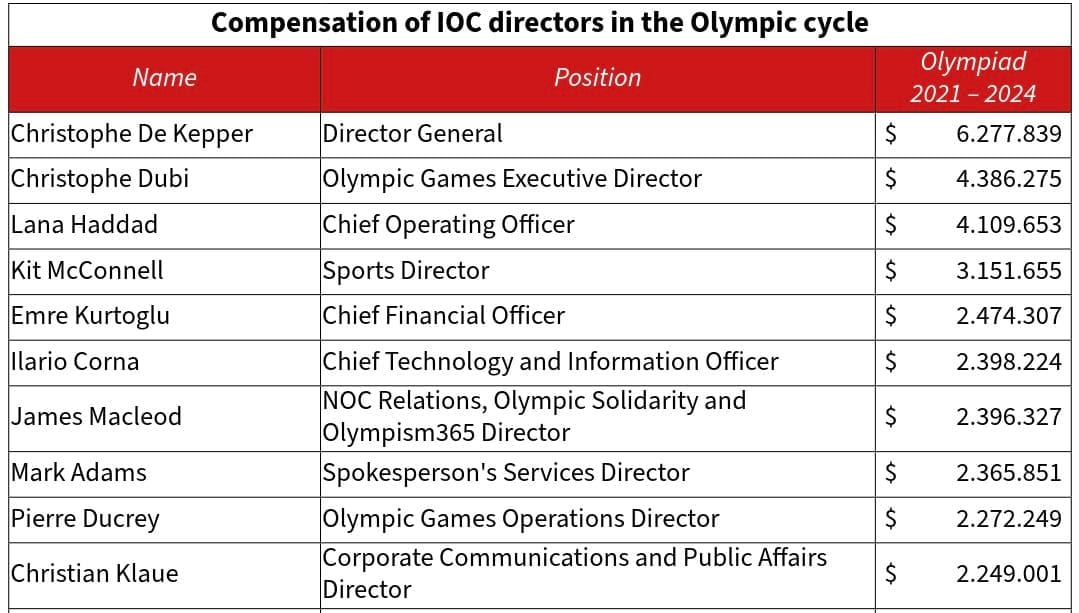
 Craig Lord
 Craig Lord