How The Athlete Can Boycott Without Shutting Down Their Showcase Races & Spaces
Having heard from several keen minds since launching a well-received FORUM on the case for athletes getting a far fairer share of Olympic revenues than they do, here's a map of coordinates where athletes can make their case powerfully without shooting themselves in the foot


A boycott, in the realm of sport, is the act of stakeholders deliberately and collectively abstaining from engaging with an organisation in an effort to press the case for a better working environment and conditions.
Such boycott is typically a form of peaceful protest or activism used to express strong disapproval and compel the target to change their policies, practices, or behaviour, including the choices they make when deciding where to speak their 'non-profit' billions.
The theme came up in our FORUM yesterday in the context of the gulf between the IOC's president and leadership's belief that athletes should not be paid for their Olympic performances nor appearances, and the view of athletes that they are the fuel that drives the engine but receive no direct reward/pay whatsoever from an Olympic Movement that came out of the last Olympic cycle with a $1.1bn surplus, after paying just 10 directors more than $30m, from a total of $55m shelled out to the director class at the IOC between Tokyo 2020ne and Paris 2024:
 Craig Lord
The reference to boycott makes everyone nervous. Understandable. So, let's clarify the nature of boycott: it does NOT require athletes to boycott themselves; it does not involve the kind of harm to athletes caused by the likes of the Moscow 1980 boycott, regardless of anyone's political views on who was at fault and why the boycott was supported or not, in general and sporting terms.
This, one of my all-time favourite interviews, with Sippy Woodhead, gets to the heart of why it's easy for organisations to dismiss the threat of 'boycott' because they can present themselves as being on the side of athletes without agreeing to any terms they find inconvenient, and they can do so knowing that the passionate commitment of athletes means they will want to show up for their moment in the sun after years of dedication, discipline and determination in a life and pursuit less ordinary.
 Craig Lord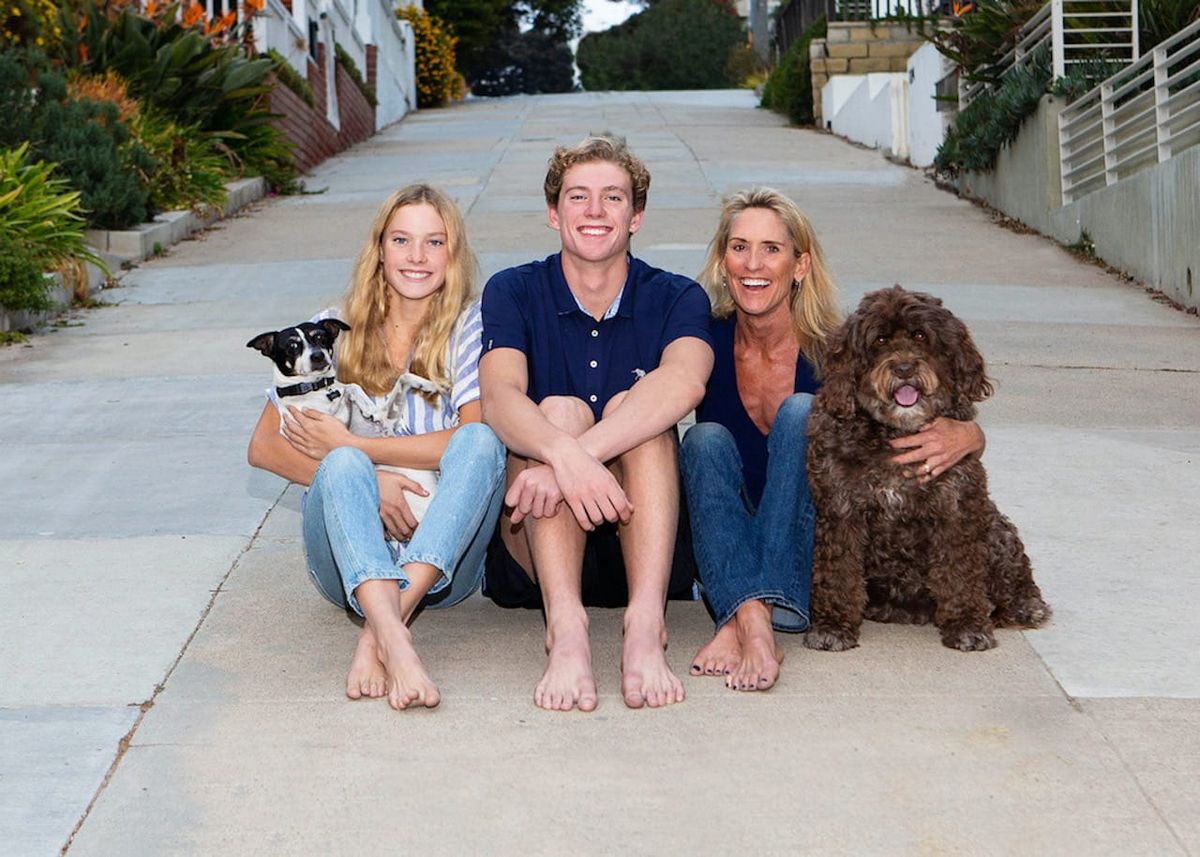
So when we refer to 'boycott', what would that look like? Here are three suggestions to start with when it comes to coordinates that comes with negotiating power for athletes - with thanks to those who contributed to thought:
We start with the most obvious and visible entry on the list of places where a 'no show' is hugely impactful but does not deprive the athlete of their athletic showcase moment.
- The Opening Ceremony
Athletes are not obligated to attend the showcase opening at which governors, regulators, politicians, partners, marketeers, merchandisers and so on gather to sell 'their' show to the world.
At its best, the ceremony, too often in history used as a rally, a propaganda and photo op and political stall, is, of course, a moment for athletes and teams and families and fans to get the party started and honour the investment of the hosts.
Even so, generations of athletes, swimmers in particular, have not attended the opening ceremony for pragmatic and performance reasons: hours on your feet standing outside a stadium, in tunnels and then parading round a track on the eve of a competition you've trained for season after season after season is not a wise idea.
The closing ceremony is a similar moment: no obligation, but many athletes cherish the moment they have to wave farewell and celebrate their part in Olympic history, however their results and experience stacked up, however it has already become history spilling into the rest of life to come.
However you may regard such ceremonies, they are one of the key coordinates on that map of places and situations that elite athletes can exercise power over without affecting their core purpose at a Games: competition.
A touch embarrassing for the "Olympic Family" if the children refuse to show for your welcome party on grounds that they've been told nothing they do is worth paying them - directly - for, in the way those 10 directors, and the rest of us, get paid for a professional job.
Anyone still wavering at the interface of amateur traditions at this point must surely know that a multi-billion-dollar industry that never asks its stakeholders to have a say in how it spends the money generated by the biggest multi-sports show on earth, one fuelled by... athletes ... needs to start living in the 21st Century. The world has changed, and Kirsty Coventry's stance is both well past its sell-by date and leans on a solidarity model that makes no financial contribution to the elite world-class athlete.
Coventry's explanations for what she declared - and the subsequent clarification she gave - completely sidestep a specific structural flaw in Olympic budgeting and decisions on how ton spend Games revenues.
When pressed about the fairness of the IOC financial framework, her defence relied on a broader "macro" view of Olympic solidarity programs (which require far more scrutiny than they get). Her arguments are based on matters that dod not address the issue of fair pay for fair play for the folk who make finals, win medals and make the Olympic shop window the worldwide attraction it is.
Participation, a fine thing though it may be, does not provide the fuel, does not bring the broadcaster to the table, does not keep the flame burning. Indeed, as things stand, on a financial level, elite athletes and those who support and subsidise them give and then give again, in obvious ways.
As Cameron McEvoy noted when calculating what is surely possible on the back of a proverbial fag packet before he'd finish his proverbial first coffee of the day, all of that solidarity is still eminently and easily possible even if the IOC were to allocate $180m to athletes in the form of a one-off Games fee, and podium prize money after that.
The idea that shifting to a model that pays athletes directly would fundamentally warp the distribution of resources smacks of excuse, not reasonable argument. There would be no reason to abandon solidarity measures, nor would allocating a budget to athletes in the form of direct payments means "not as many countries and not as many sports" at the Olympics. Her sums don't add up. His do.
At the same time, the IOC president's talk of the "beautiful venues ... beautiful villages ... beautiful experience" that athletes "get" must have had Marie-Antoinette smirking down from Olympic Heights on all those five-star hotels, dinners, travel and health insurance packages, and much else enjoyed by the Olympic Blazeratti during a Games at which an athlete with eight years of toil in the bag sometimes faces the biggest moment of their sporting life after consuming worse food and enduring a poorer night's sleep that they'd get back home. Still, there's always cake.
Time for change. Athletes need not think of LA2028 boycott as a bar on their own participation and competition. But they have to get themselves to a place and coordinate of 'sacrifice' where their athlete voice and rights count for more than a few quotes in media reports about the daftness of it all. The opening ceremony is such a coordinate. Pin it and make a stand: no pay, no ceremony - we'll just come for the sport. Then wait to see what the organiser says, what broadcasters say, and where and in whom they place their value(s).
Olympic elite sportsmen and women are largely self-funded, and that support is hard to come by, not least of all because the parties providing it are often entirely cut out of the picture at the biggest test of an Olympic athlete's life: no place at the Games for the local car dealer, the kit maker, the local baker and candlestick maker, the folk investing in athletes with no chance of having their brand seen in the light of Olympic super-troupers that shine only on the partners that pay the IOC, which then decides that none of it should go to athletes directly.
It's 2026. Is it unfair for the IOC to use the names, images, and likenesses of athletes to generate $12 billion in quadrennial revenue without any agreement of financial recompense? Absolutely. No question. In the wider world, the kind of contractual clauses athletes must sign up to without any financial reward available in a multi-billion-dollar industry just to be able to participate at the Olympics would not be worth the paper they're printed on.
2. Olympic promotions and interviews
The IOC relies on world-class athletes to promote the Games outside the field of play. It invites athletes current and former to carry the torch, to appear at sponsor and partnership events at which corporate-land likes to rub shoulders with high achievers. All good - but not if the only person in the room who is not actually there because their professional wage compensates them for the time and effort that goes into such moments.
Athletes struggle with such things. How to promote self and sport if all you do is train and compete on race day, with no moments in between? Understandable. But it's not the IOC PR moment, nor even the Olympic in-house interview, that builds the athlete profile in a place that catches the attention of the wider audience back home. Mainstream media do that much better, if, of course, they cover Olympic sport - and these days, most do that in very small measures in between Olympic Games.
None of the challenges inherent in any of that change the weakness inherent in athletes showing up to official moments and 'official' interviews 'for the love of it' unless financial recompense is a part of that official picture somewhere in the machinery.
'Boycott' action is a temporary thing, a negotiating tool. Olympic promotions and interviews are another coordinate on the map athletes and former athletes and others who support current athletes should consider as points of negotiation.
- Alternative competitions
If we take swimming as our example, we know that quite a few elite swimmers have shown keen interest in what happens to Hunter Armstrong and, potentially, others who were anti-doping tested but participated outside of World Aquatics rules at the Enhanced Games. This SOS take on the clown show was posted this week:
 Craig Lord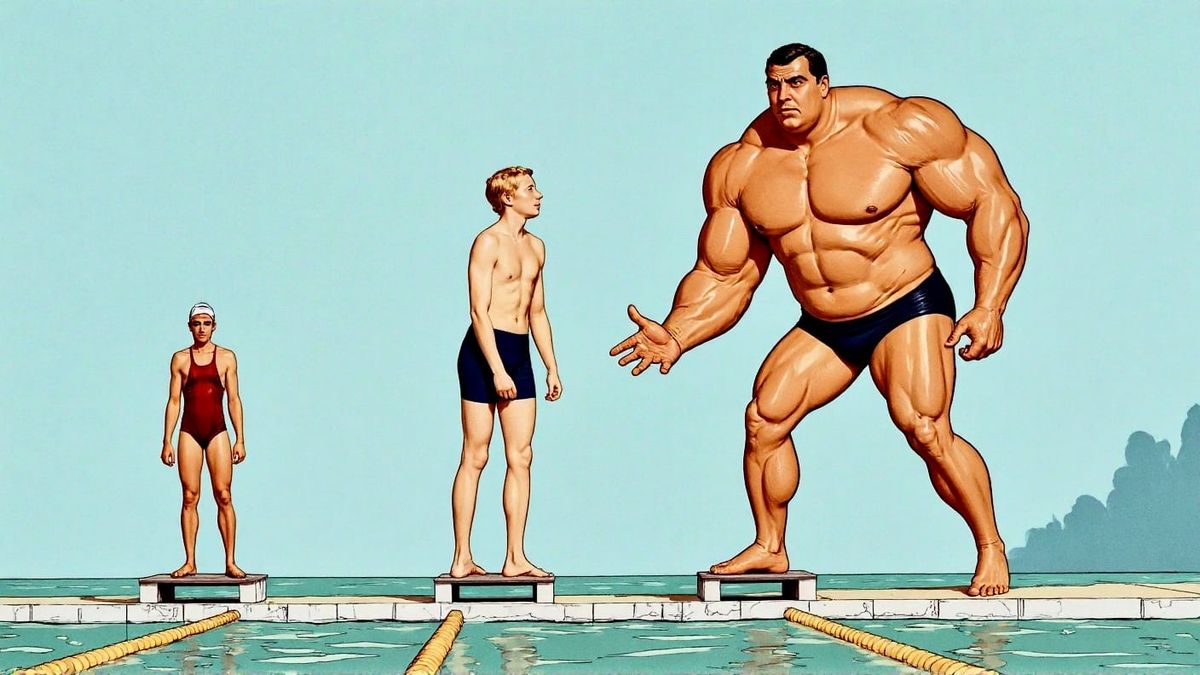
If the Olympic Games - which, understandably, is vehemently opposed to a concept and event that is anathema to clean sport but is now using 'clean' athletes to promote enhancement, with no bar on substances and forms of manipulation banned in the WADA Code - is serious about wanting to keep its realm away from a model that has the potential to be its nemesis, and if the Enhanced Games is serious about wanting to reward athletes, even those competing clean and playing no part in its project beyond race day, then athletes should consider using the situation to negotiate a better lot with the IOC.
The negotiation would go something like this, for example: "Let's talk money and start the process of a better way asap, or this time next year, hundreds of us, the best swimmers in the world, will seek a fee from the Enhanced Games and make their event much, much bigger. We would have to do that because we have no way of earning any money from the biggest race day of our career. So, let's talk."
World Aquatics, which does offer prize money at its showcase events, could be a welcome partner at the table, if supportive of the athlete position.
As readers here will know, I hope the above never need come to pass, but all three suggestions are coordinates on the map of potential power in negotiations with the IOC, firstly to get it to the table, secondly to ensure there is no attempt to entangle athletes in years-long talks that never seem to go anywhere (we've seen what stalling looks like in Olympic sports in many varieties down the decades), and thirdly to seal the deal that will make the Olympic Movement the home athletes would like it to be, with fair pay for fair play a key pillar in what holds the house and its roof up.
For further discussion of ideas, athletes would be wise to get in touch with Global Athlete and affiliates via their website:


All and any further suggestions on this theme welcome, in your name or in confidence: craig.lord@stateofswimming.com.


