
FORUM: Will Appeasing Russia Send Trust In Kirsty To Coventry?
Pray tell us all Olympic President: how is an athlete with the images of dead teammates on his helmet "too political" but a Russian OC led by Putin's Minister of Sport is "not political enough" to merit exclusion in the interests of protecting athletes at an Olympic Games?

THEMA: Separation of State & Sport - Part 1
Perception of hypocrisy at the heart of International Olympic Committee (IOC) leaderships is nothing new, but a toxic cocktail of past, continuous and present failings is lurching towards the Olympic Games of Los Angeles 2028 with menace in tow.
Most, if not all readers here, are familiar with the nature of the toxic ponds on the trail of IOC missteps since Pierre de Coubertin told women that "their role should be above all to crown the victors" at the Olympics. Sport was not for them.
Well, of course, it was, Alice de Milliat among the founding mothers of the Olympic movement, alongside the likes of the first Olympic women's swimming champion Fanny Durack and the pioneers of Stockholm 1912, who made sure of it:
 Craig Lord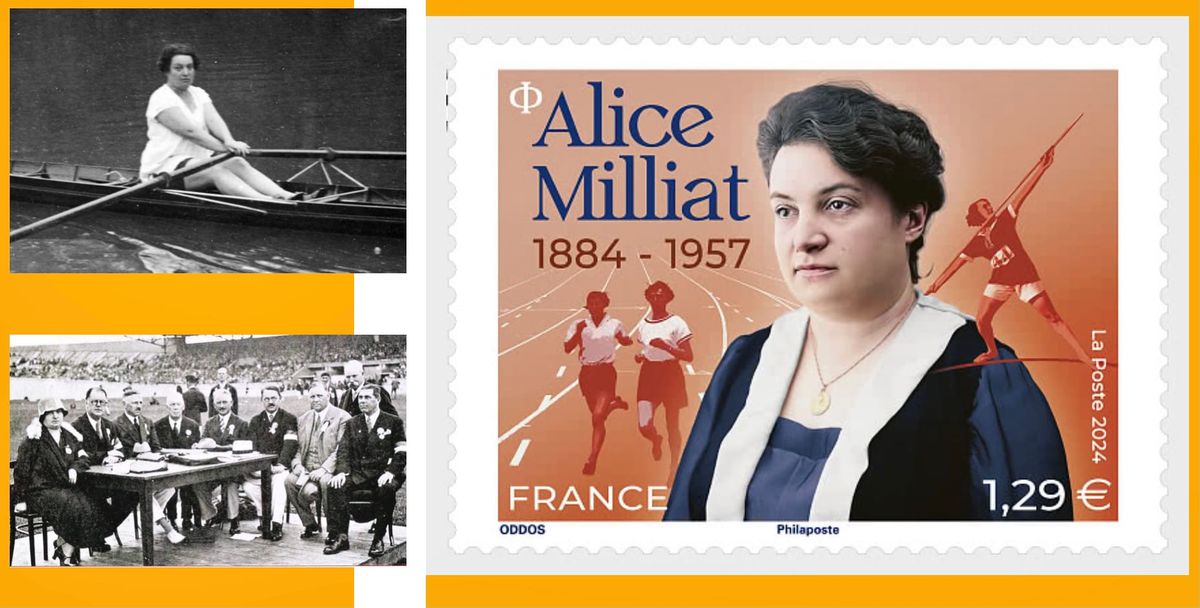
 Craig Lord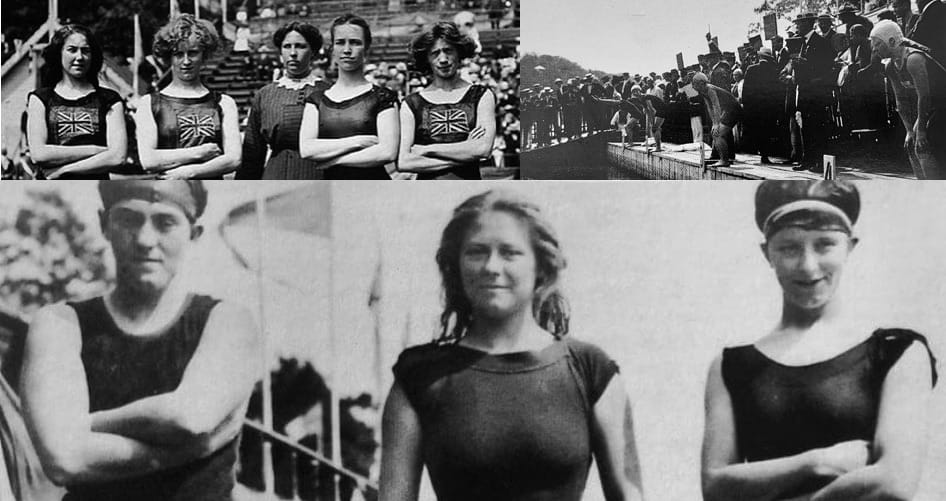
In De Coubertin we see the reason to master the art of deeper understanding and truth at the same time when judging events that unfolded at a time of bygone culture that held sway long before we were born.
The co-founder of the IOC and its second president was born into a French aristocratic family, became an academic and studied a broad range of topics, history a particular interest. He graduated with a degree in law and public affairs, which led him to the idea that reviving the Olympic concept would make a fine contribution to the world.
It has, of course, in a variety of ways, but not a single one of those must prevent us from the critical need to learn lessons that start with pointing to the poison of swastika-soaked stadia in Berlin in 1936 and on to many other points along a trail that includes stuff like this:
- State Plan 14:25 (mid 1960s - an official state policy and secret from 1974 - to 1989): the rollout of a chemical cocktail of performance-enhancing substances to more than 10,000 athletes used as lab rats and sold as 'ambassadors in tracksuits' in an exercise that used sport as a giant propaganda tool for a political system so fearful of the judgment its own citizens that it kept them behind a wall and barbed-wire borders - at gunpoint. So blind to the cause and so fearful were those involved that steroids were given to girls as young as 11 in an operation run by state institutions and an IOC-accredited laboratory. The damage was and continues to be legion, to the winners and those denied their rightful status of sport, the IOC never having accepted its responsibility, even to do the bare minimum by reaching for a truth, reconciliation and recognition process.
- Salt Lake City Bribery Scandal (1998–1999): Bids for the 2002 Winter Olympics were marred by allegations that the organising committee provided over $1.2 million in cash, scholarships, and medical care to IOC members to secure votes. This triggered IOC restructuring, the expulsion of several members, and the creation of an IOC Ethics Commission described as 'independent'.
- State-Sponsored Doping in Russia (2014–2022): The 2014 Winter Olympics in Sochi were overshadowed by an institutionalised doping program and sample-tampering cover-up. The World Anti-Doping Agency (WADA) investigation and subsequent governance fallout led to Russia being banned from competing under its flag, forcing athletes to participate as neutrals for multiple Olympic cycles. NB: This bullet is still very much a prevailing and unresolved circumstance
- Boxing Judging and Financial Corruption (2016–Present): The International Boxing Association (IBA, formerly AIBA) has faced repeated governance crises over manipulated bout results - particularly at the 2016 Rio Olympics -and financial mismanagement. The IOC eventually stripped the IBA of its Olympic recognition entirely and took over the administration of the sport.
- Tokyo 2020 Bid Bribery (2019–2023): Investigations into the Tokyo 2020 Games uncovered widespread bid-rigging and bribery involving major Japanese corporate sponsors and members of the organising committee, resulting in multiple arrests and resignations of top executives.
Add two more to the list:
- The Fair Play for Fair Pay debate in which cultural and governance shift has sparked plans to raise swimming out of an era of professional approaches to excellence dod not stretch to any form of decent pay, and no recompense at all from the IOC for their contribution to the multi-billion-dollar industry they fuel once every four years (summer and winter entities each with their own quad). Here's a fed making its own plans for provision:
 Craig Lord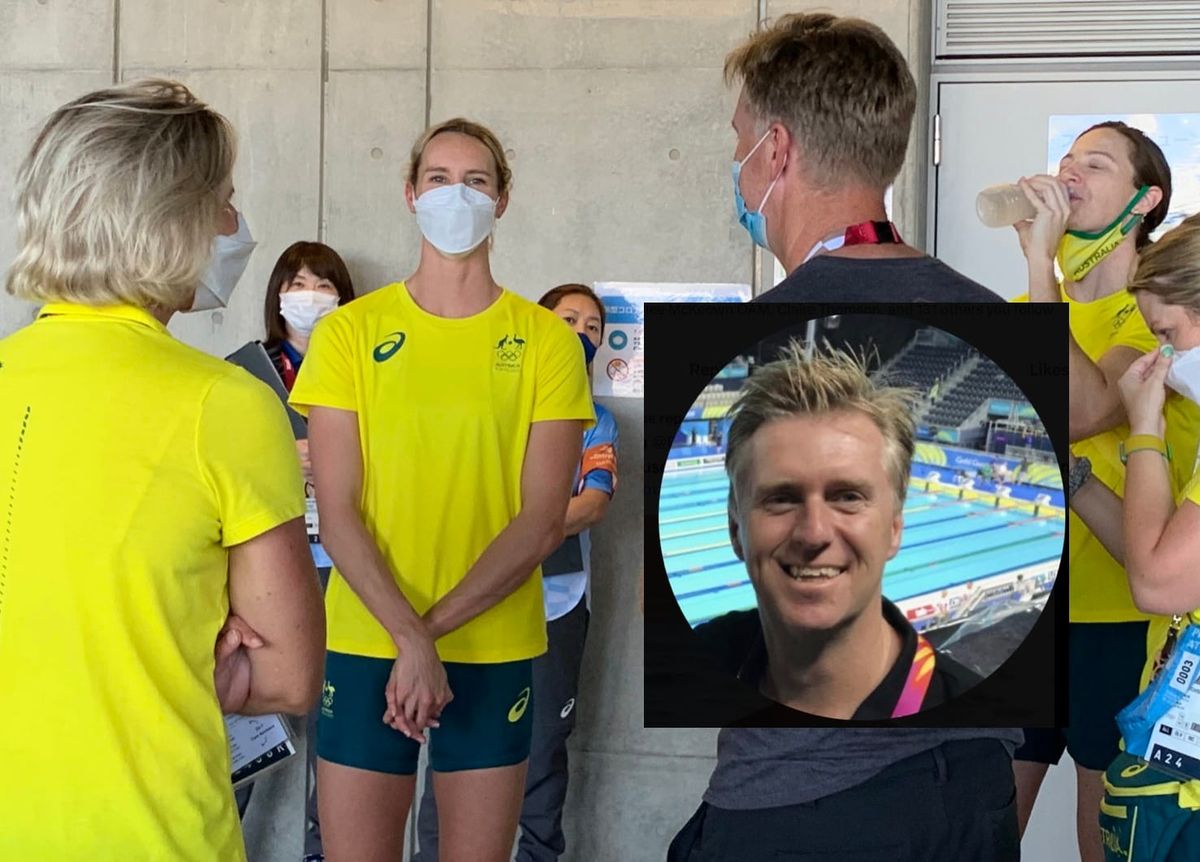
- The suspension of Russia and, despite the fact that nothing of any substantive nature has changed since the penalty was imposed when the Olympic Truce was broken in in 2022, moves to return to the fold a nation in which sport and the state have long been (proven to be) intrinsically linked.
The IOC may well point to the boxing reference above as an example of why we should have faith in the "provisional" nature of a decision to end checks for athlete neutrality for the aggressor nations of Russia and Belarus in the war on Ukraine, the slaughter of Ukrainians, among them many sportsmen and women, and the destruction of their nation's infrastructure, including swathes of sports facilities.
But the boxing example actually bolsters the argument for keeping Russia as a nation out of the Olympic picture until the politics can truly be separated from the sport. And that feat seems like a million miles away without a rocket to rely on as things stand (see below for 'Sport and State - Joined at The Hip In Russia').
A reminder of what took place in October 2022, when the Russian-run IBA lifted a ban on Russians and Belorussians and slapped the Ukrainian boxing federation with suspension after it had written to IBA members calling for the resignation of the Russian president of the IBA Umar Kremlev.
At the same time, the IBA refused to recognise Kyrylo Shevchenko as the Ukrainian federation's president, insisting the leadership is held by Volodymyr Prodyvus, an ally of Kremlev who left Ukraine after the Russian invasion. Another key line: the IBA counted on Russian state-backed energy giant Gazprom among its chief sponsors.
 BBC Sport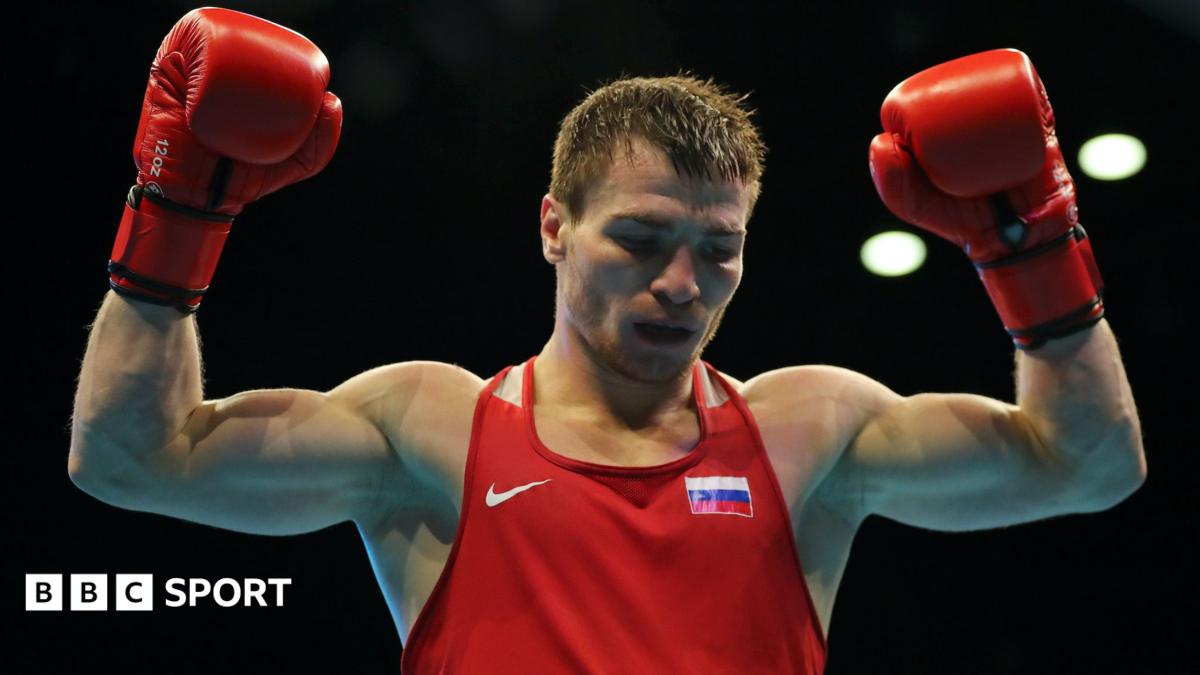
So can we conclude from the latest IOC move on Russian reinstatement that the "IOC concern" expressed and then acted upon when the IBA's Olympic status was removed, is no longer worth exercising extreme caution over?
Well, I'll leave that for you to judge on the basis of what you know and the very recent boxing lesson the IOC has appeared to have forgotten.
As you read the below, keep in mind the reasons the IOC gave for its shift of approach:
 Craig Lord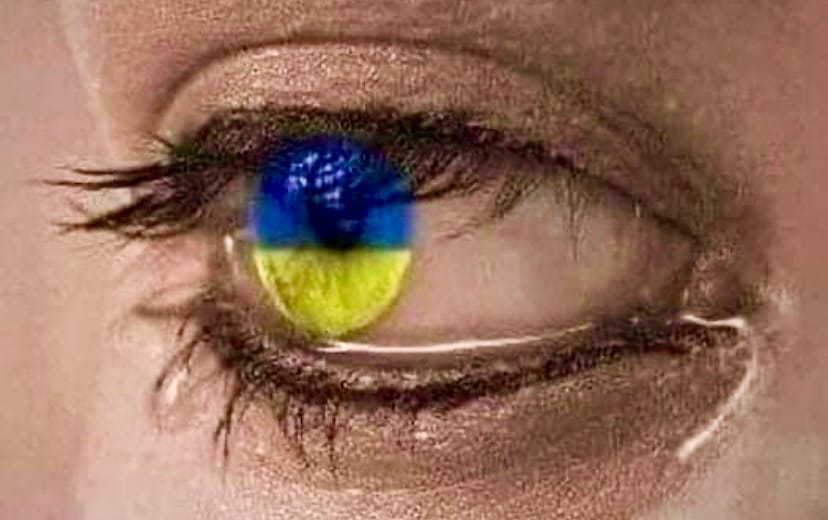
... and the elephant in the room that appears to have been overlooked, namely, the question "what's changed"?
Key points (spot the shifting sands in the flow of IOC decision-making) and argument follow:


