The Gulf Between Shores Where Integrity Sits On Shifting Sands
Enhanced waters having stilled, we take a last look at two sides of a coin from the perspective of two public posts by Australians, one a doctor working in the Enhanced project, the other from a talent agent who works with athletes in the realm of tested sport, with SOS commentary


There are two interpretations of 'incredible':
- The original, from the Latin incredibilis, which means "not to be believed"/"impossible or very difficult to believe".
- In more modern times, words like terror/terrifying have adopted a 'positive' meaning, as in 'what a terrific accomplishment'... and so we have 'incredible' in the way the Olympic Movement/international federations have used it, meaning 'extremely good, of high quality, beauty, or skill that exceeds expectations'.
One of the best pieces I've read anywhere about the 'incredible' nature of the Enhanced Games is here at eo - I'll let you determine which kind of incredible is in play:


The gap between love and hate, proverbially speaking, when it comes to the Enhanced Games is both a thin line and a gulf, depending on your viewpoint. Either way, I stand firmly on one side of a big red line, either side of which there's the tested realm of regulatory consequence for those caught breaking the rules, on the other a realm that allows practice, culture and mindset incompatible with the tested/regulated realm it wishes to use as a talent pool without observing any of its key fair play principles or rules designed with swimming-specific knowledge and facts in mind (shiny suits an example of what had to go because they harmed fair play in swimming, warped the actual art and skill of swimming - but are now embraced by an enhanced chapter that doesn't want swimming in its purest, natural form too be a barrier to selling lifestyle products).
A red herring to spear at the outset of this commentary:
- the tested/regulatory realm is imperfect, makes mistakes, has, understandably at times, been criticised by athletes (and many others) for failing to deal with cheats and cheating with equal rigour for all, not only in the difference between judgements and penalties in circumstances that are too aligned to ignore the uneven nature of decisions; but also because the folk in the shadows, including politicians, doctors, coaches and others who treat the WADA Code as something to crack not comply with rarely get called to account when the athletes they've persuaded to take a wrong turn fall foul of the rules (and so on and so forth. None of which means that 'all athletes dope'/'most athletes dope'/'elite athletes dope' or any of the other general propaganda, as I see it, that's emerged from the enhanced camp and is designed to give the impression that the likes of swimming's club of legends and champions, big-podium achievers, Olympic finalists and on through the ranks of the sport is stacked to high heaven with dopers who 'couldn't do what they do without it'. The sense of disinformation is as obvious as the apparent use of a kind of 'Scapegoat Theory', in which a key tool of a group (let's call it B) wishing to trade in the same pool as a long-established group (A), without observing the same code and rules that A operates within, seeks to justify its approach and make itself more palatable and attractive by placing unmerited and unspecified blame and blemish on community A.
In other words, 'we're only doing openly what they're doing in secret', that 'they're' not focussed on specific cases of doping, but a scatter-gun, loose cannon of a general accusation aimed at having tar stick to anything it flies past and lands on, innocent or otherwise.
Bylaw 10 is the right response to that but needs revisiting in a way that keeps the two realms, Olympic and Enhanced, in a place where never the twain shall meet unless for either side of a bridge over which some will cross from one camp to the other. There should be no ticket back to the tested realm, not only for this no longer observing the rules of the tested realm but those, too, who, actively, willingly or not, are helping to promote activity that is anathema to clean sport. The message matters if Olympic sport wants to keep justifying the likes of WADA's $57+ million (2026) annual budget in the face of a bloated opponent with what would appear to be a far greater budget to burn.
Caveat emptor on that last point: both wealth and market forces count. There can be no question that some Enhanced Investors have put huge resources into the project and have even greater resources to turn to should they wish to double-down on what I saw as a clown show in Vegas, and nothing remotely akin to the kind of sports show the Olympic Games delivers. Even so, worth noting the following line from one of many reports in financial pages:
"Enhanced Group Inc. (NYSE: ENHA), the parent company of the Enhanced Games, suffered a massive stock plunge following its inaugural Las Vegas event. After merging with a SPAC and going public at a $1.2 billion valuation, its shares dropped over 40% (up to 45%) immediately after the event, wiping out nearly $800 million in market capitalization."
So, back to that thin line and my red line. It's there that we find some struggling or justifying positions that speak to opinion, choice and even pragmatic response to challenges, some of which hold hands with this reality:
- Traditional sports organisations in the Olympic Movement have consistently failed athletes down the decades, in various ways that might generically be called "hopeless, bankrupt governance".
That stretches along a wide spectrum that includes:
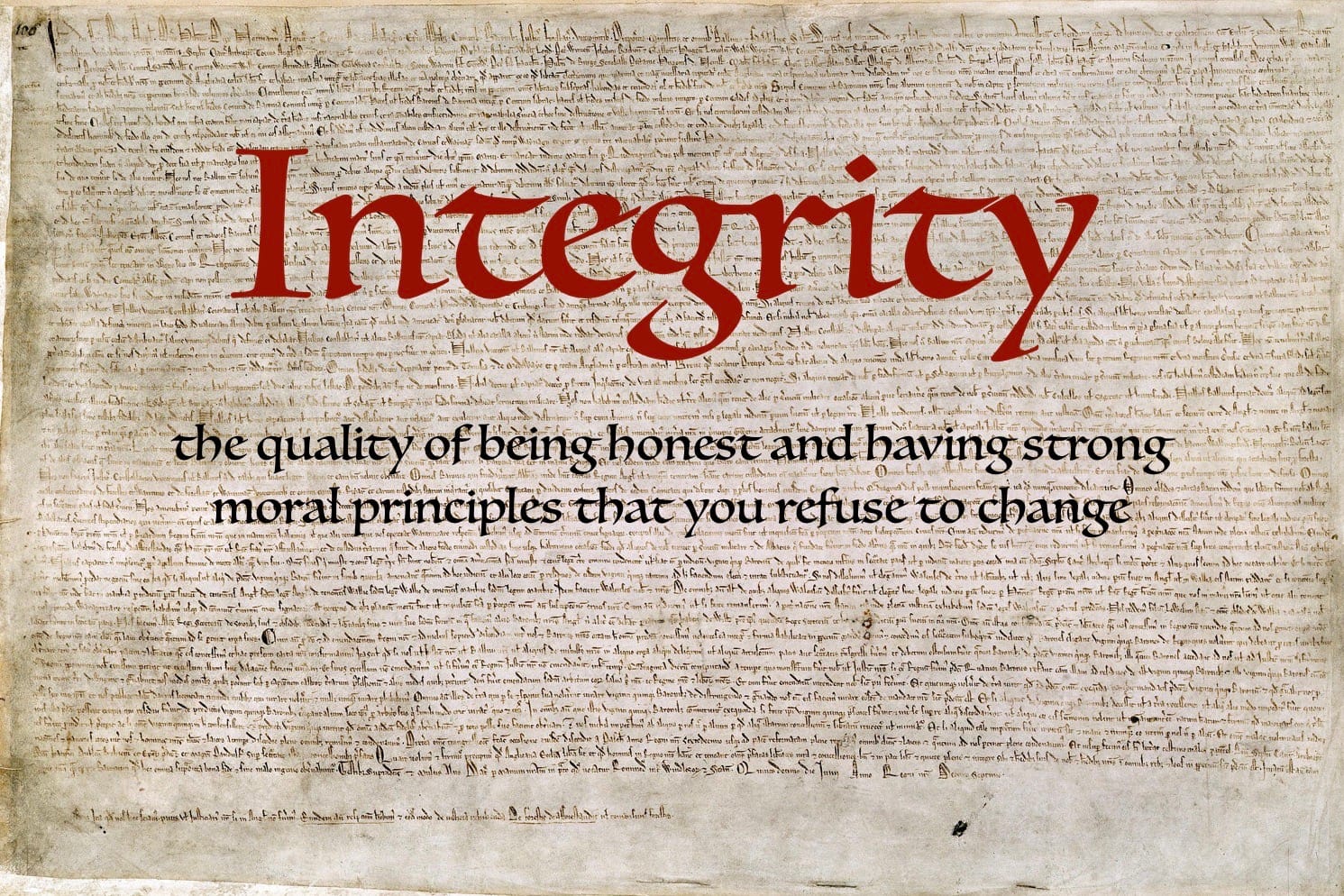
The Catastrophic. Examples of serious, lasting harm: GDR doping and a complete and belligerent refusal to accept accountability and do something about it; the preventable death of Fran Crippen and failure to convert the lessons learned into clear red lines in business practice, culture and relationships; the embrace and sycophantic plaudits and prizes for the likes of Putin, former GDR leaders and many others who ought to never have been anywhere near organisations that claim to be all about 'athlete first' and are committed by constitution to keeping politics at bay; spending millions on anti-doping and then failing to reinforce the rules such spending is supposed to uphold with the rigour, courage, impartiality and independence essential if you claim your house stands on a foundation of integrity ... a reminder:
The self-interest of governors who may say they put athletes first in all they do while conflict of interest, money-making ventures and embracing lifestyles that most athletes, including many members of the elite club of world-class performers, can only ever dream of during their sports careers.
The hypocrisy of governors who wear integrity badges but fail to act when integrity investigations outside their jurisdiction find in favour of whistleblowers who penalise and even ban senior leadership figures. Among prime examples is a case of a leading figure who has convinced fellow leadership figures to back him and has done so by suggesting that a legal process against him has fizzled out, when in fact, investigations and processes are now at an active stage of taking witness statements and witnesses are actively engaged in a process that could leave global aquatics leaders looking like they never understood the meaning of the word integrity, let alone how to apply it. The Olympic realm is one in which we have seen time and again athletes being penalised for their poor decisions, those who guided them largely allowed to go forth and multiply their abuse once more, and governors remaining in office and authority despite integrity decisions and even, in some cases, court decisions, against them - and those directly related to sport. The blind eye of sports governance is real, alive and kicking yet in swimming, regardless of the establishment of an integrity unit that appears to have fewer investigative skills and permissions than required.
The failure to listen to the constructive criticism of stakeholders and observations from outside their sport and make such practice inform change. The deaf ear of IOC culture was on full display this past week when Kirsty Coventry stated the long-held position of Olympic governors: they don't believe in paying athletes, despite that long having been an unsustainable position waiting for its day.
We look at that theme in the latest SOS FORUM mini-series on 'Selling Swimming Beyond The Swim' ...
 Craig Lord
... and its follow-up, due soon in the wake of this from last week's response to Coventry's view on paying athletes:
Craig Lord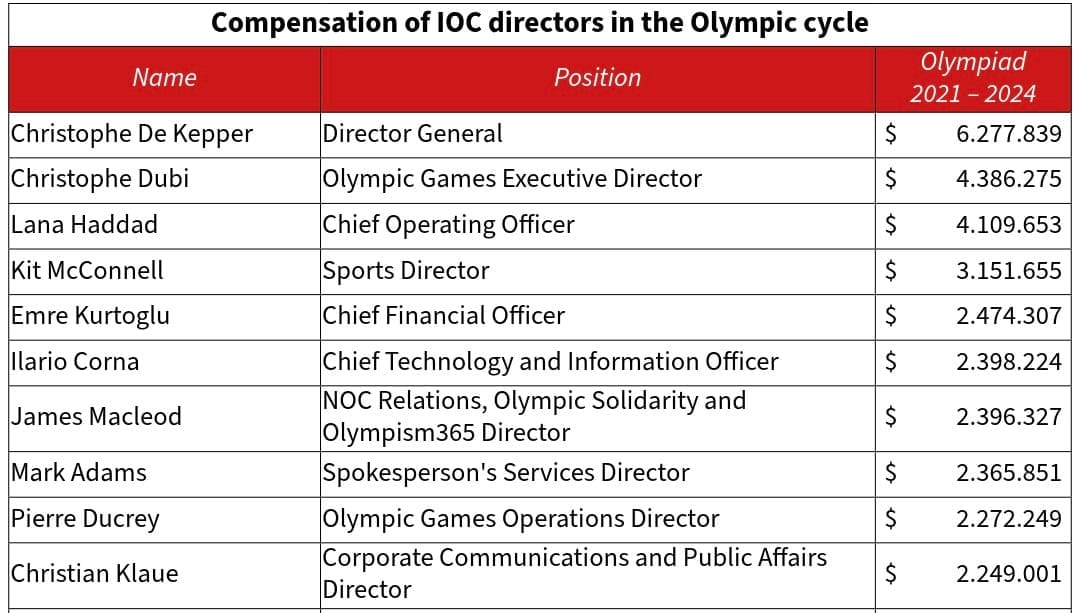
More on that later today in our latest part of a FORUM mini-series looking at where swimming might find growth, what new approaches are needed and what athletes must now do if they are ever to see a pay day that reflects the work out in and the fuel they provide for a multi-billion dollar industry.
That debate stemmed from models of 'sport' and how to pay athletes that have some serious issues to address and questions to answer. From my perspective as a journalist, swimming practitioner, observer and writer along the way, for more than four decades, my search for integrity leads me to places where opinions and statements presented as facts clash with both truth and counter opinion.
In that pursuit, two public posts caught my eye on LinkedIn last week, both by Australian women, one of them a scientific adviser for the Enhanced Games, the other the founder of talent management and partnership agencies for athletes.
Here is what they had to say, in opposite directions, with State of Swimming commentary in the place where I beg to differ...


