More Than A Swimmer - The Benefits Of Looking Beyond Performance
Dr. Bruce Lawrie on Understanding Psychological Challenges, Protecting Mental Health, and Nurturing Personal Identity and Wellbeing

At the heart of sport and life lies a fundamental truth: your worth is never defined by your performance. You do not perform to prove your value; you perform from a place of knowing it
- A Paper By Dr. Bruce Lawrie
For many competitive swimmers, one of the greatest challenges is recognising that they are more than just athletes.
Swimming can become so central to their lives that it shapes not only how they see themselves, but also how they believe others perceive them.
Over time, their identity can become so closely intertwined with the sport that they lose sight of who they are beyond the pool.
This connection between swimming and personal identity is reinforced by the demands of competitive sport. Years of dedication and countless hours spent training in the pool and gym are invested in refining technique, developing strength, improving fitness and striving for personal bests.
As swimming becomes increasingly significant in everyday life, swimmers may begin to measure their self-worth through performances, results and achievements, allowing their athletic identity to overshadow other aspects of who they are.
What begins as a passion can gradually become a lifestyle that dominates almost every aspect of life. Training schedules, competitions, travel and the constant pursuit of improvement can leave little time for other interests, relationships and personal growth. Consequently, swimmers may find that both they and those around them define them primarily through their sporting achievements, rather than recognising the individual behind the athlete.
Related:
 Craig Lord

Taking these factors into consideration, perhaps the most important question we need to ask is this: when swimmers devote so much of their lives to becoming the best they can be in the pool, are they giving equal attention to developing as individuals beyond the sport? More importantly, if swimming were no longer part of their lives, would they still know who they are?
When the Person Behind the Goggles Becomes Overshadowed by the Athlete
Even among the most successful swimmers in the world, the challenges of maintaining an identity beyond the pool are widely recognised. Olympic champions, world record holders and former international swimmers have spoken openly about the personal demands of a life dedicated to competitive swimming, highlighting the importance of being valued for who they are as people, rather than simply for what they achieve in the water.
Their experiences highlight that sporting success does not necessarily guarantee personal happiness, fulfilment or a strong sense of self. When identity becomes too closely tied to sporting achievements, self-worth can become dependent on performance and external recognition, making setbacks or the loss of a sporting career particularly damaging to emotional wellbeing.
Ultimately, success in the pool does not define an individual beyond their sport. Behind every achievement and medal is a person whose identity, self-worth and potential extend far beyond swimming. It is therefore essential to recognise and nurture the person behind the athlete, ensuring that sporting achievements shape their journey without defining their entire identity.
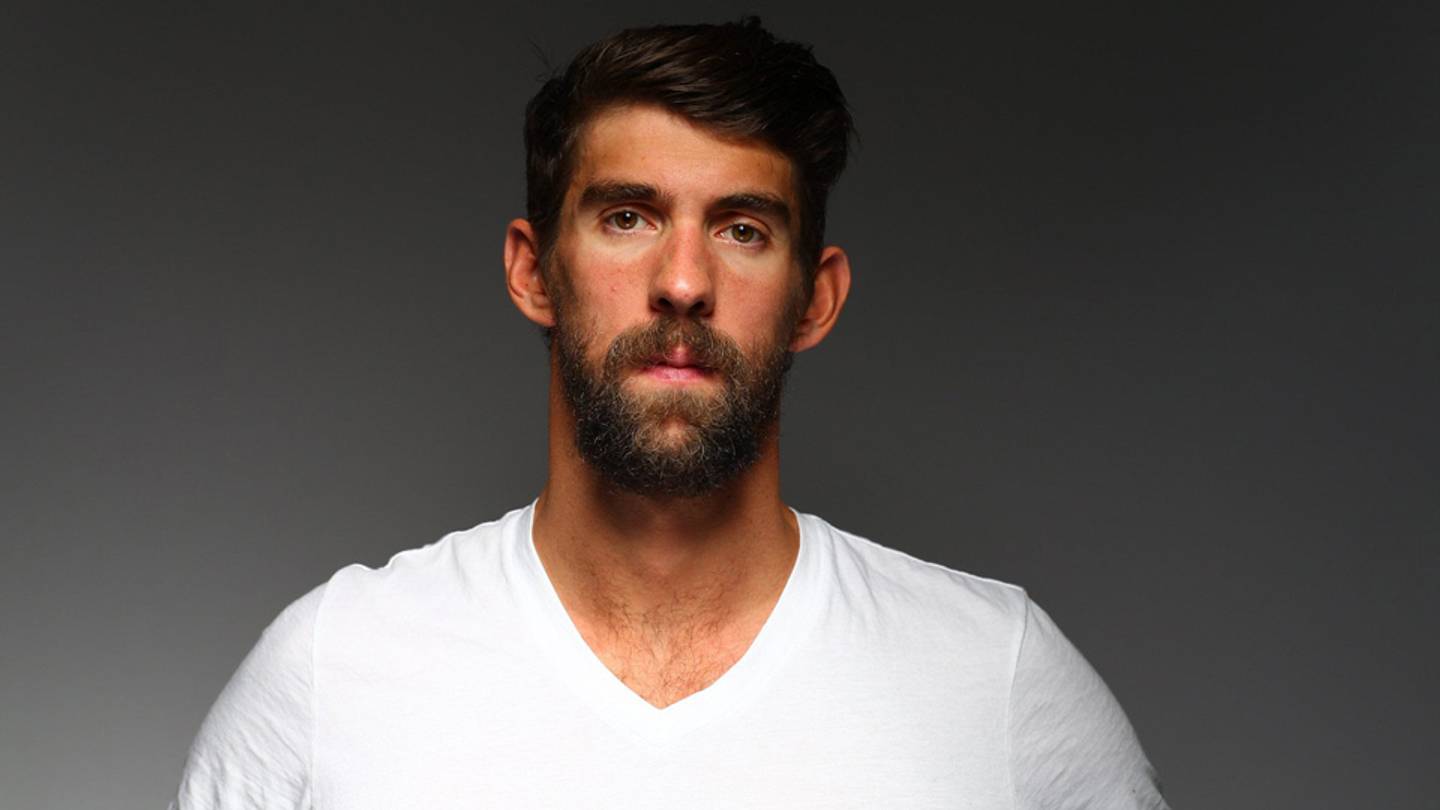
"...for a long time, I saw myself as the athlete that I was, but not as a human being.” - Michael Phelps
Michael Phelps illustrates how an athlete's identity can become so closely tied to their sport that it overshadows other aspects of life. Despite his extraordinary success in swimming, his experiences highlight that sporting achievement does not necessarily guarantee personal happiness or emotional fulfilment.
This is evident in the mental health challenges he experienced throughout his career. Reflecting on these struggles in a 2022 interview with Sports Illustrated (which cited aspects on the same theme from an earlier 2015 interview with the same publication), Phelps spoke openly about depression, anxiety, isolation and his experiences in alcohol rehabilitation, stating:
“I wound up uncovering a lot of things about myself that I probably knew, but I didn’t want to approach.
One of them was that for a long time, I saw myself as the athlete that I was, but not as a human being.”
The 2015 interview:
 Tim Layden
The 2022 Perspective:
 Julie Kliegman

"I am nothing if not swimming, if not successful.” - Missy Franklin
Missy Franklin, who won four gold medals and one bronze at the 2012 London Olympics, experienced significant challenges following the 2016 Rio Olympics, where she failed to reach the podium in her individual events.
Describing the experience as a "crushing disappointment", she later revealed that she struggled with depression and questioned her identity and self-worth beyond swimming.
Having dedicated much of her life to the sport, Franklin faced the challenge of redefining herself beyond competition and achievement. Reflecting on this experience, she explained:
“When the winning stopped, it’s, ‘Oh my gosh, what else do I have to offer? Like, I am nothing if not swimming, if not successful.”
After moving to the University of Georgia, Missy began rediscovering her identity beyond swimming, describing this period as a time when she had finally "found herself again". Reflecting on this change, she explained:
“I like to phrase it as swimming has been a huge part of my life and a huge part of who I am, but it does not define me.” (Colorado Public Radio, 2018)
These challenges are not unique to American swimmers; they are experienced by swimmers around the world
Former Singaporean national swimmer Joscelin Yeo has spoken about the difference between how others see her and how she sees herself. Her experience highlights that, although sporting achievements influence how athletes are perceived and recognised, they are only one part of their identity. Who they are extends far beyond their performances, results and reputation in sport.
Reflecting on this, Yeo explained:
“Being a swimmer is something that people identify me with. It’s something I did out of routine, but it is not who I am on the inside.” (Salt & Light, 2019)
 Karen Tan

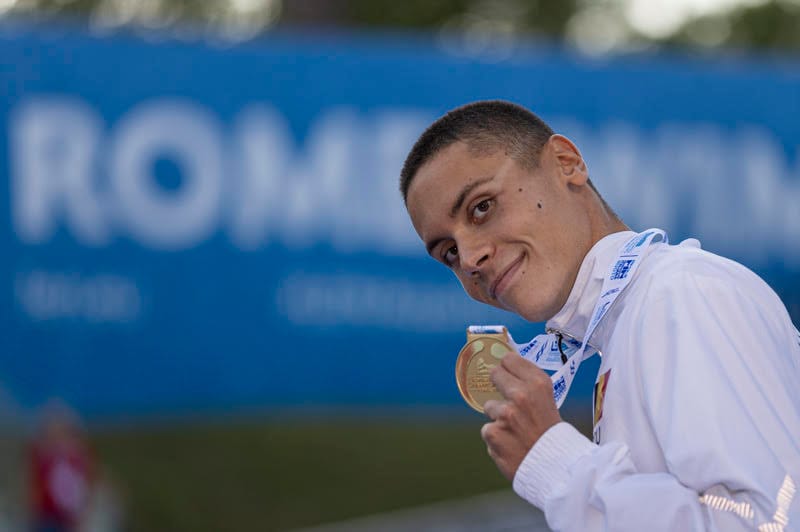
"Best results by far, but I had never felt more down and more miserable than after that." - David Popovici
In MySwimPro's 2026 YouTube video, The Hidden Cost of Greatness in Swimming, Romanian Olympic swimmer David Popovici discusses the psychological challenges he experienced following the Paris 2024 Olympics. Despite achieving the greatest successes of his career, he struggled with unhappiness and emotional distress, highlighting that sporting success does not always equate to personal wellbeing. His experience demonstrates that an athlete's internal struggles may remain hidden, even when outwardly they appear to be at the peak of their success.

Describing this experience, he explained:
"After the Paris Olympics, when I should have been, you know, on top of the world, Olympic champion, I also took a bronze medal in the 100. Best results by far, but I had never felt more down and more miserable than after that."
Popovici came to recognise that his struggles extended beyond the demands and pressures of competitive swimming and that his wellbeing needed to become a priority. Rather than focusing exclusively on his development and performance as an athlete, he recognised the importance of looking after himself as an individual and addressing the personal challenges he was experiencing.
Reflecting on the importance of acknowledging his struggles and seeking support, he spoke candidly about his experience:
"I realised I needed to work with a normal, you know, a human psychologist, not a sports-oriented psychologist. So, I took care of my own human problems before my athlete problems. And I promised myself I'm going to prioritise my mental health."
That and the theme in full with some outstanding examples:
Through this experience, Popovici came to recognise that personal happiness and psychological wellbeing should never be compromised in the pursuit of sporting success. Reflecting on this, he captured the importance of prioritising wellbeing alongside athletic achievement in a particularly powerful statement:
"A happy swimmer is a fast swimmer."
Related:
That was a philosophy he had grown up with, but understanding how to apply knowledge to circumstance is a part of the challenge that even the best of coaches, parents and athletes live through:
 Craig Lord
 Craig Lord
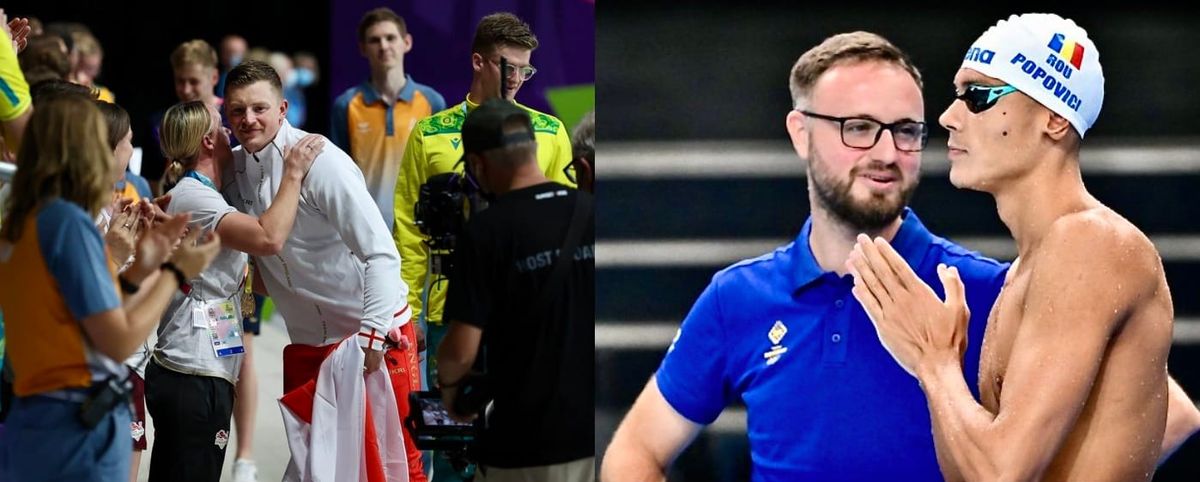
The latter includes the following note from Popovici's father, spoken after his son had claimed gold and silver medals at Paris 2024, his 200m freestyle victory having made David the first Romanian man ever to claim Olympic swimming gold:
Words by Mihai Popovici
"When I think about it now, the first conditions we created were that we decided there would be no pressure." David went to the pool for fun. Not for us but because he wanted it. We have truly supported this approach and never asked him where he was or what he had achieved or what he was about to accomplish.
"Cake after the competition was guaranteed regardless of its location, and stopping at the bakery was inevitable. There was a particular bakery, and David liked a particular cake, which he got every time.
"I can say this is something a lot of parents do wrong. They applying that pressure I think that the biggest mistake a parent can make is to put pressure on their children. And this pressure can take on many forms, often without parents' awareness.
"Let me give a few examples:
"How did you do in training?"
" What were you doing, what place did you occupy? "
" What did X do? "
" I told you to watch the Y" and so on.
"What did your coach give you (workout)?" No, that's wrong.
"Remember that the competition is coming up; I don't want to catch you being behind the Y again!"
And it often starts at age seven or eight.
"Imagine what a few years of such pressure means.
"No wonder many give up along the way and parents are the main culprits without realizing it. I wish they would take this calmer down and not take their unmet goals or frustrations on to their children.
"I wish they would look at David and see from this perspective how far one can go without pressure."
More Than a Swimmer: Recognising the Person Behind the Athlete
The examples above reinforce an important message: swimmers are people first and athletes second. Swimming can be a significant and meaningful part of someone's life without becoming their entire identity. Athletes can remain passionate, dedicated and ambitious in their pursuit of excellence while recognising that their value extends far beyond what they achieve in the pool. Ultimately, the goal is not to make swimming less important, but to ensure that it never becomes the only thing that defines who they are.
The Responsibility of Recognising the Person Behind the Performance
Maintaining this perspective should not rest solely with the swimmer. Coaches, clubs, sporting organisations and the media also have an important role to play in creating an environment where athletes are recognised and valued as individuals, rather than simply as competitors. While sporting performances and achievements deserve to be celebrated, equal importance should be placed on understanding and supporting the person behind the athlete.
Swimmers are much more than their sporting identities. They are also friends, sons and daughters, students, colleagues and individuals with their own interests, relationships, ambitions and experiences beyond the pool. Recognising and nurturing these different aspects of their lives is essential to developing a healthy sense of identity, maintaining perspective and supporting their overall happiness and wellbeing.
After all, they are not just swimmers. They are people who swim!
Developing the Person Behind the Athlete: Four Approaches to Personal Growth and Wellbeing
Recognising the person behind the athlete requires more than simply acknowledging that swimmers have lives beyond the pool. It involves actively nurturing their individual identity, strengthening their self-worth and supporting their overall wellbeing.
With this in mind, the following sections introduce methods developed and used by Dr Bruce Lawrie to support swimmers' personal growth. Informed by his experience as a clinical, educational and performance psychologist, his international coaching career and his own background as a competitive swimmer, these approaches aim to help swimmers develop a stronger sense of identity, self-worth and individuality beyond their sporting achievements. Underpinning these methods is the belief that every swimmer is a unique individual whose identity and value extend far beyond their performance in the pool.
Approach 1: A Person-First Approach
- Recognising the individual before the athlete.
A Person-First Approach recognises that every swimmer is an individual first and an athlete second. It focuses on understanding each swimmer's unique identity, experiences, needs and ambitions through collaboration between swimmers, coaches and parents.
Rather than prioritising performance and results alone, it places equal importance on personal development, happiness, relationships and mental wellbeing.
- Ultimately, the aim is to create an environment where swimmers feel valued, understood and supported for who they are, not simply for what they achieve in the pool.
Approach 2: Developing Self-Worth
- Understanding and appreciating your personal value beyond sporting achievements.
At the heart of this philosophy lies the concept of Self-Worth: the understanding that you are good enough and deserving of love, respect and belonging simply because of who you are.
Your value should never be determined by how fast you swim, how many medals you win, what you achieve or how others perceive you.
Developing a strong sense of self-worth helps swimmers recognise that they remain equally valuable as individuals, regardless of their sporting successes, performances or setbacks.
- Ultimately, it is about learning to appreciate and accept yourself for who you are, rather than allowing your identity and sense of value to be defined by what you achieve in the pool.
Approach 3: UNIQUISM: Understanding Your Individual Identity
- Appreciating your uniqueness and developing your individual potential.
UNIQUISM is a method built on the understanding that there is only one you in the entire world. Your identity, experiences, strengths, qualities and potential are uniquely your own.
The method aims to help swimmers develop a deeper understanding of themselves by strengthening their sense of identity and individuality.
It encourages each swimmer to embrace what makes them unique and take an active role in shaping their lives, relationships and sporting experiences.
This involves exploring their interests, recognising their strengths, understanding their values and pursuing their personal ambitions.
- Through developing a greater awareness of who they are and how they relate to others, swimmers can learn to appreciate their own worth, recognise opportunities for personal growth and take meaningful steps towards fulfilling their individual potential.
Approach 4: Mindful Thought Self-Regulation
- Using the power of your thoughts to support individual development
Mindful Thought Self-Regulation helps swimmers develop greater awareness and understanding of their thoughts, beliefs, emotions and behaviours, enabling them to manage these more effectively.
It encourages the development of helpful thinking patterns and mental strategies to enhance concentration, strengthen self-control and maintain focus on personal and performance goals.
By developing these skills, swimmers can approach challenges with greater confidence, cope more effectively with competitive pressure, respond positively to setbacks and remain motivated in pursuing their sporting ambitions.
Importantly, the benefits extend beyond the swimming pool.
Mindful Thought Self-Regulation supports everyday decision-making, strengthens self-awareness and personal identity, enhances quality of life, and contributes to overall psychological and physical wellbeing.
- Ultimately, it equips swimmers with valuable lifelong skills that support both sporting success and personal development.
Bringing It All Together: Developing the Whole Person
- Develop the swimmer, but never lose sight of the person!
Together, these principles provide a foundation for developing the whole person, not simply the athlete. By nurturing personal identity, strengthening self-worth and developing greater awareness and regulation of their thoughts, emotions and behaviours, swimmers can pursue their sporting ambitions while building the confidence, resilience and self-understanding needed to thrive both within and beyond sport.
- Ultimately, the aim is to empower swimmers to fulfil their potential as both athletes and individuals, recognising that their value extends far beyond sporting performance. Through this approach, swimmers are supported in becoming happy, healthy, confident and well-rounded individuals, equipped with the skills and self-belief to navigate challenges and thrive throughout life.
Furthermore, when swimmers understand, value and take care of themselves, they are better positioned to support, encourage and inspire those around them. In this way, developing the person behind the athlete benefits not only the individual but also their teammates, coaches and the wider sporting community.
A Message to Everyone Who Swims
Be proud of the swimmer you become, but never forget the person you are. Your medals may celebrate your achievements, your performances may demonstrate your ability, and your successes may define your sporting journey, but none of these define your worth.
The greatest achievement is not simply becoming the best swimmer you can be, but becoming the happiest, healthiest and most fulfilled version of yourself.
Remember, you are so much more than a swimmer. You are a person first, and that is what matters most.
References
- Sports Illustrated Magazine. (2022). Michael Phelps on Mental Health and the USOPC: ‘I Want People to Actually Do Something’.
- Fulcher, M. P. (2018, 10 September). Olympian Missy Franklin on Swimming's Highs and Lows, Then Facing Depression. Colorado Public Radio.
- Salt & Light. (2019, 12 July). Tan, K. "It had to be the Lord": Former national swimmer Joscelin Yeo on her life's dramatic turnaround.
- MySwimPro. (2026, 27 October). The Hidden Cost of Greatness in Swimming. YouTube video.
Dr. Bruce Lawrie ©2026 (published at SOS with kind permission)
You can find more information about the work of Dr. Lawrie at his website: