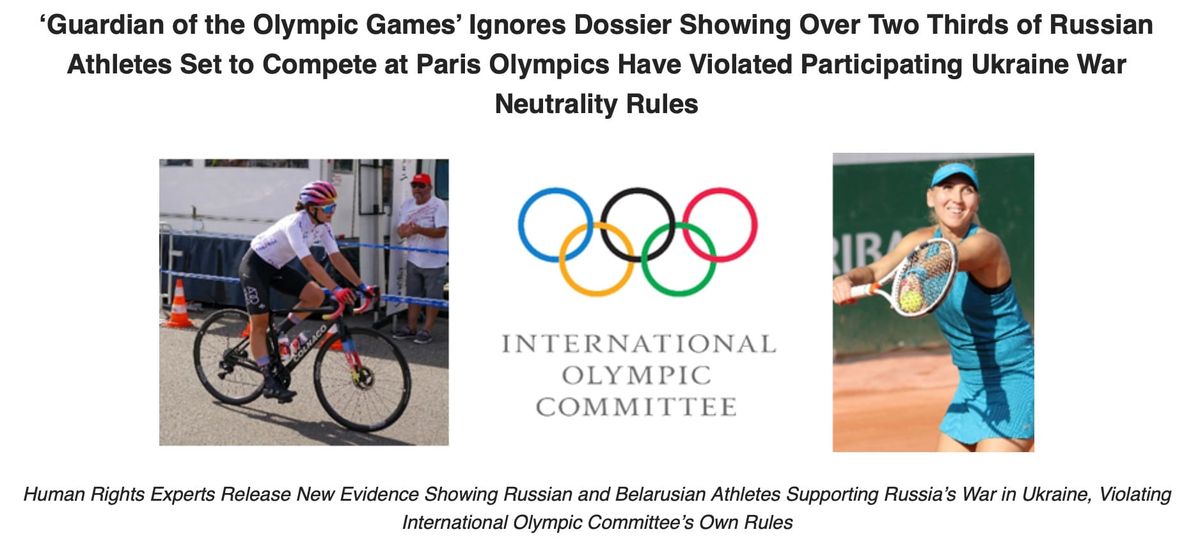
IOC Changes Olympic Charter To Reinforce 'Neutrality'
IOC move under scrutiny as critics say the change could weaken barriers to Russia's full return to international sport and risked undermining the Olympic movement by inviting back in the very politics Olympic bosses claim to want to cut out


The International Olympic Committee today approved amendments to the Olympic Charter proposed by an executive board that says the aim is to reinforce political neutrality in sport.
The changes are said to 'strengthen language' emphasising that sport should be free from political interference'. For example, one tweak notes that the IOC's role is to ensure neutrality "at all times, free from governmental, cultural, societal or economic pressure".
Quite how any 'strengthening' language can cope with the scandal of Sochi 2014, when Russian state agents operated a secret laboratory next to the IOC lab at the Winter Olympics and exchanged dodgy urine samples with pre-preprepared clean ones through fake plug holes in the wall to the hidden HQ and refuge of subterfuge is not entirely clear.
The IOC says the Charter tweaks are designed to protect athletes and competitions from outside influence and prevent the Olympic Games from being used for political purposes. In practice, it remains to be seen what that actually looks like and who benefits. IOC president Kirsty Coventry told media in Switzerland
"This commitment is about protecting what makes the Olympic Games unique, bringing the world together through sport and peaceful competition."
She was speaking at an Extraordinary session that also revealed three three key items:
 Craig Lord
On the neutrality tweaks, critics repeated what they said before the extraordinary session: the change could weaken barriers to Russia's full return to international sport and risked undermining the Olympic movement.
Since 2014, Russia has been barred from being officially represented in Olympic sport: the Sochi Winter Games was the trigger to this horror:
 Contributors to Wikimedia projects
And then in 2022, the IOC recommended a ban on that Russian and Belarusian athletes from competitions after Putin launched Russia's war on Ukraine at the start of what are now four years of slaugher and destruction of Ukrainians and their infrastructure. Among the dead are legions of athletes and other sports personnel; among the ruins are stadia galore.
Returners today recalls: "The Russian Olympic Committee was suspended in October 2023 after recognising regional Olympic councils in Russian-occupied areas of Ukraine, which the IOC said violated the Olympic Charter and Ukraine's territorial integrity."
Last month, the IOC lifted all restrictions on Belarusian athletes, clearing the way for them to return to international events, including qualifiers for the 2028 Los Angeles Olympics.
The IOC said the lifting of restrictions would not apply to Russian athletes. However, there has been increased speculation that a similar decision could be made for Russia in coming months.
Sports minister and Russian Olympic Committee Chairman Mikhail Degtyarev - who has served as Putin's Minister of Sport since May 2024 and is therefore a highly political figure in a country where the state is intrinsically linked to and bound up with sport – said in April that Russia was "doing everything possible" to ensure its athletes' full return to international competitions.
In the midst of that campaigning for a way back ins, the IOC gave us this view of what 'neutrality' can also look like:
 Craig Lord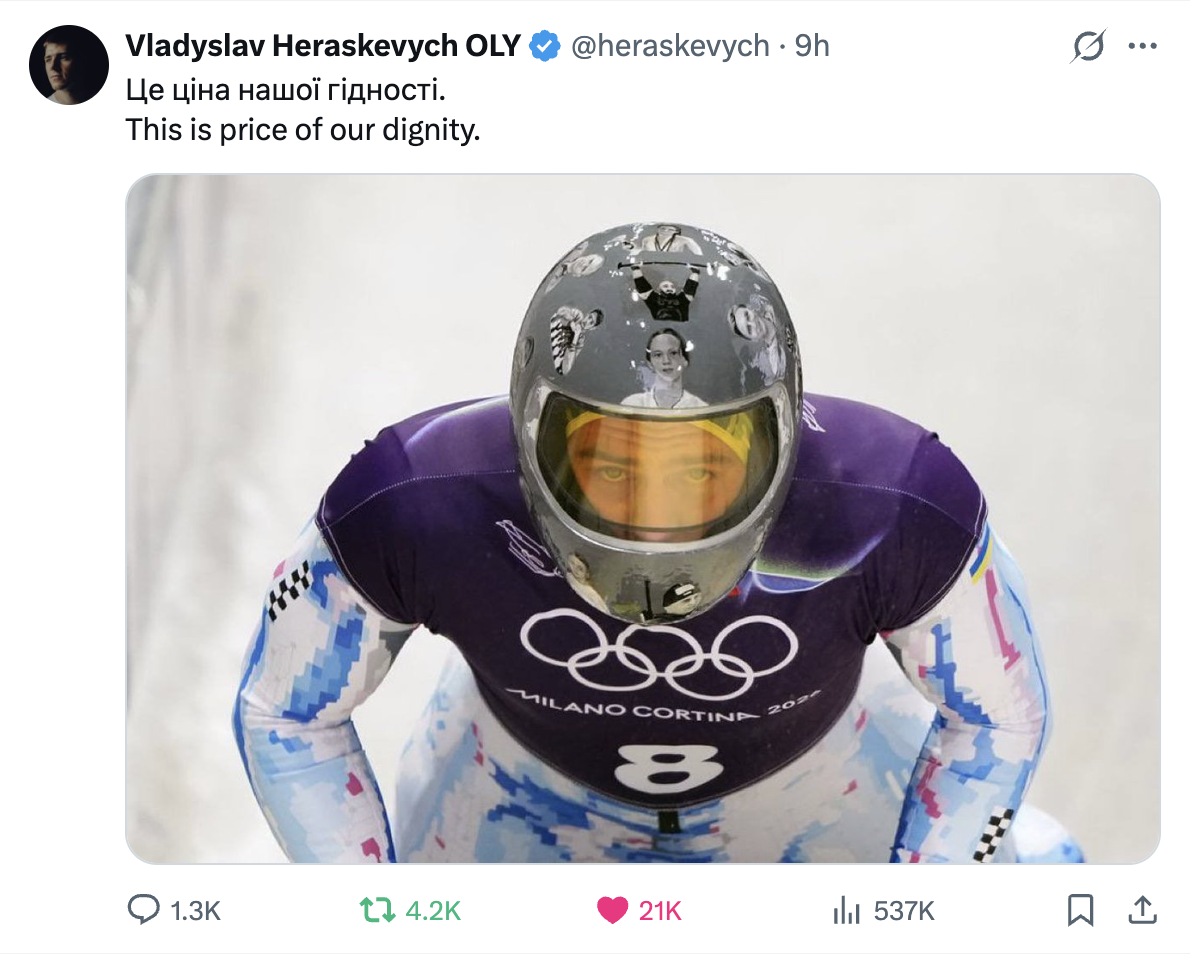
Meanwhile, World Aquatics recently accepted a European Aquatics request to delay full reintegration of Russia and Belarus back into the sport of swimming (and other disciplines) until after the Paris 2026 European Championships. Here's the backdrop to head-shaking decisions along the way:
 Craig Lord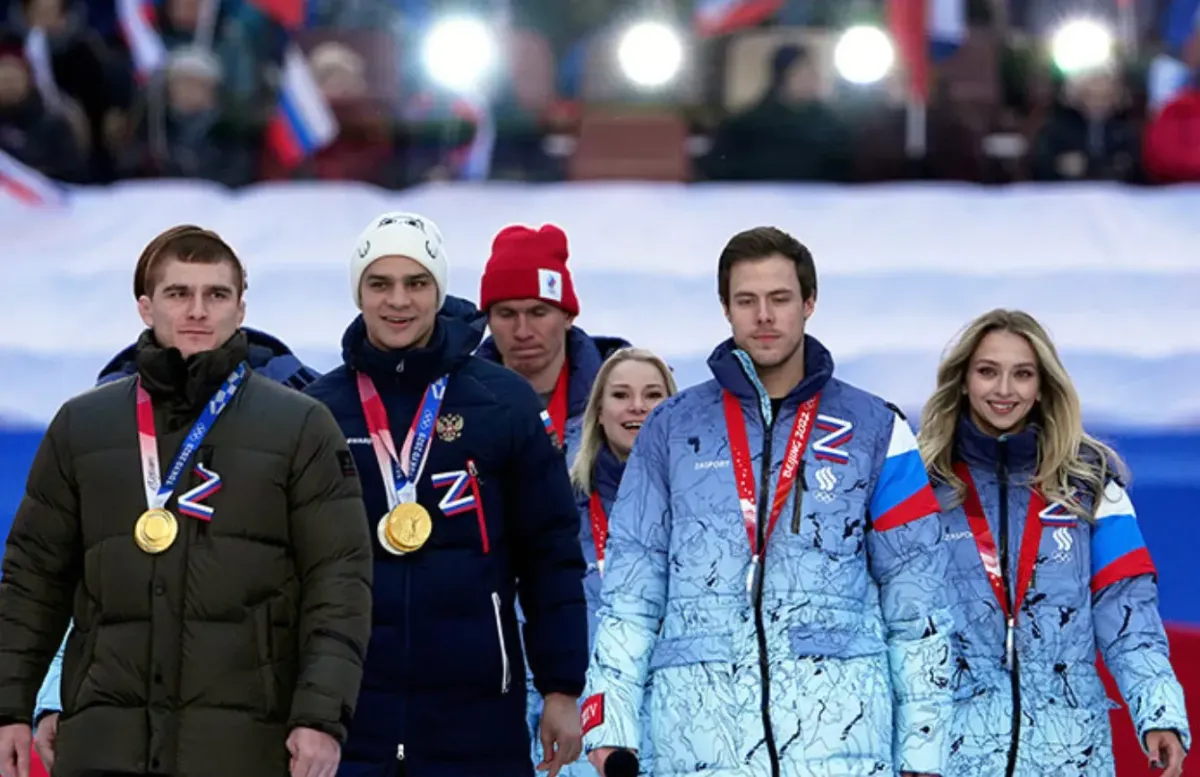
 Craig Lord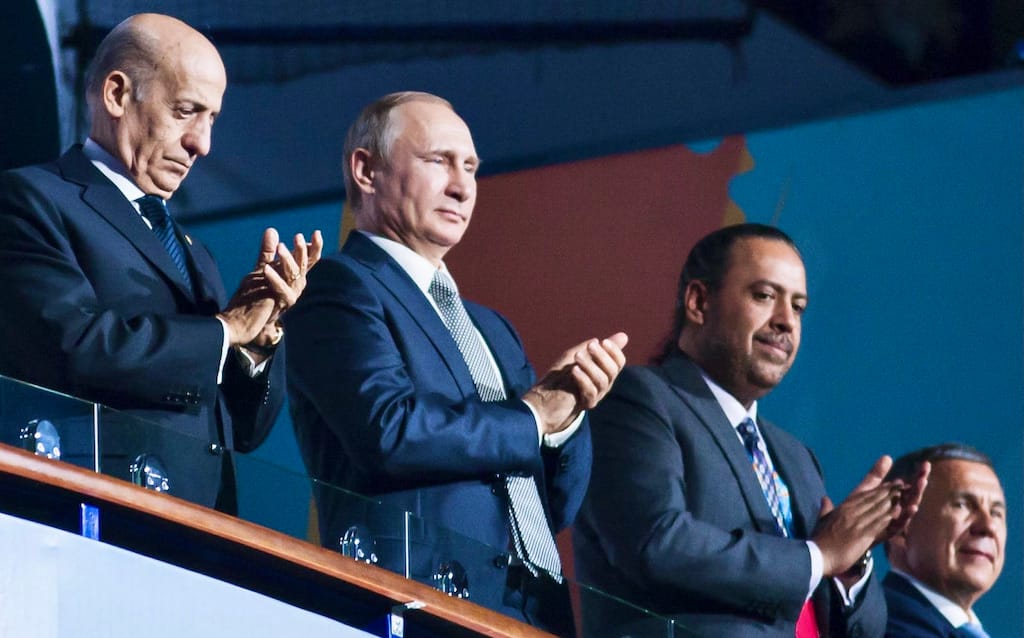
 Craig Lord
 Craig Lord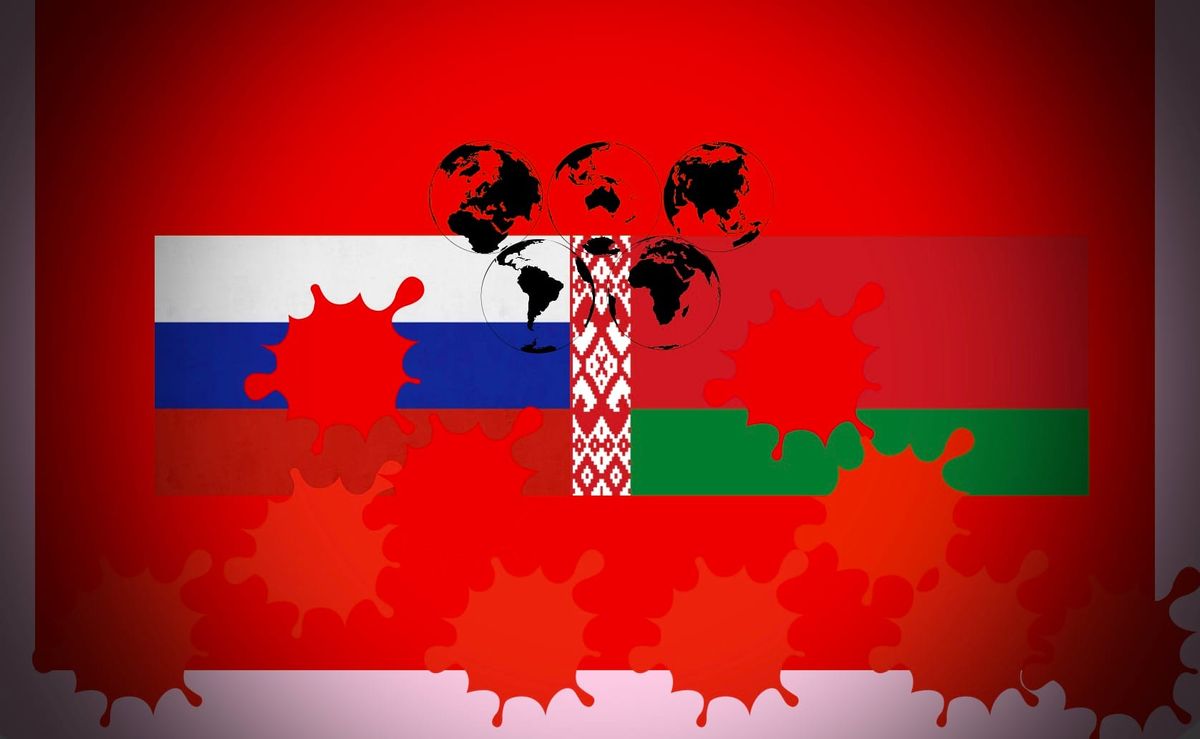
 Craig Lord