The Vortex - February 2026: When Seebohm Beat Horton On The SAS Course But Big Mack Landed Million-Dolphin-Dollar Week
The Vortex, our monthly compilation of news, views & links to external coverage of the sport, is available as part of our offer of free content emailed to those who register. For a deeper dive, consider a paid subscription in support of our work. Thank you

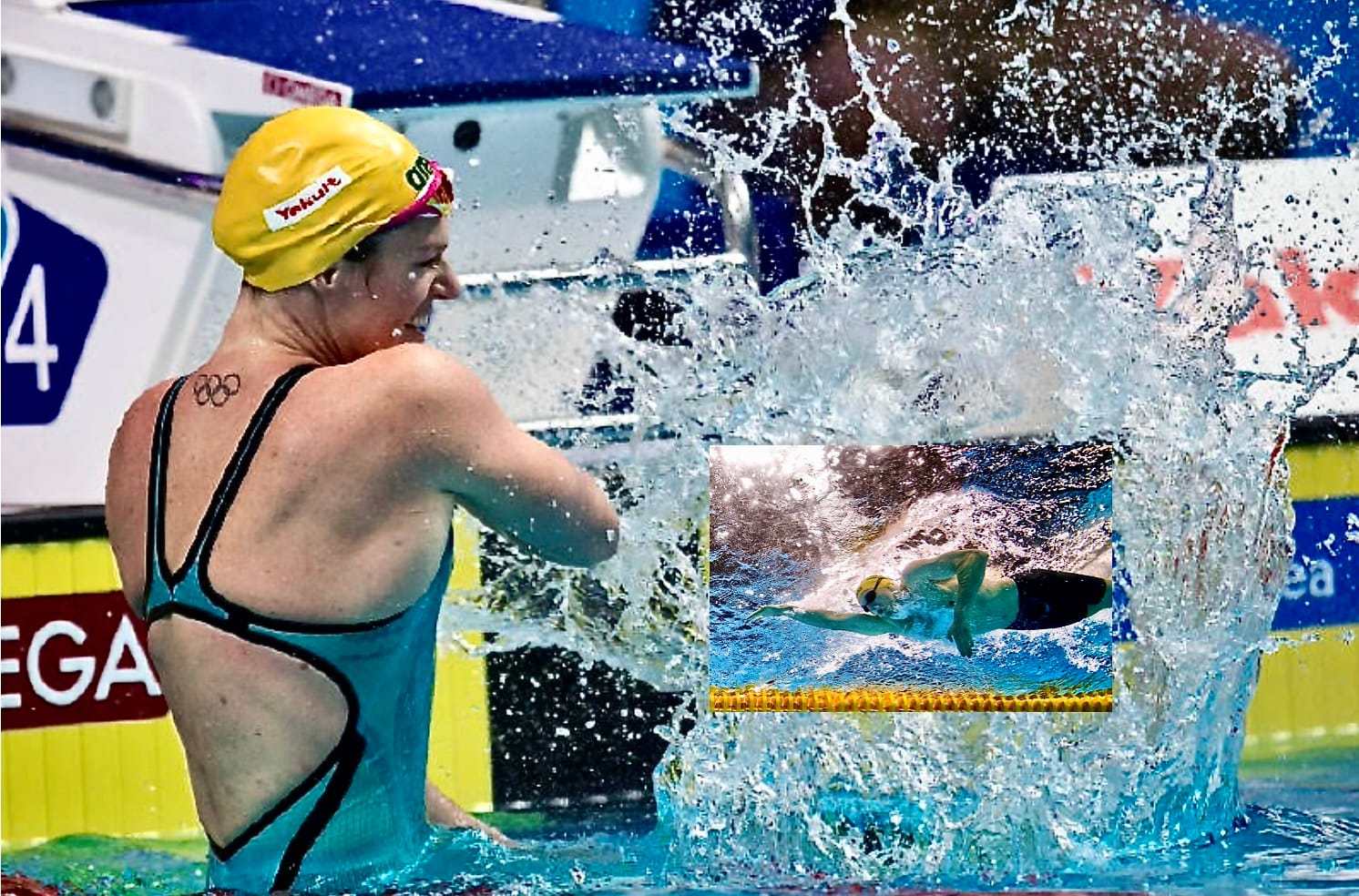
The 2026 Celebrity SAS Australia test (Aussies vs Brits this season) saw the men crushed by the women, former Dolphin ace Emily Seebohm, with Dani Dyer-Bowen and Gabby Allen staying the course where the men, including another ex-Dolphin ace, Mack Horton, could not.
There's no prize money for winning the SAS challenge, though appearance money on the show is said to range from AUS$30,000 to more than AUS$100,000 for the two-week series. As the SAS show's narrator often states, there is "no prize, no special treatment". And, by the sounds of it, no mercy!
Horton withdrew from the gruelling, eight-day competition during the final interrogation stage - which was described as a 12-hour, intense, and psychologically demanding, simulated hostage situation - along with another bloke, Ben Cohen, in that late stage. Neighbours soap actor Ryan Moloney. was the third celebrity Aussie male in the battle, but the Team Australia contestant quit earlier in the challenge after admitting he was "mentally spiralling" and struggling with the intense pressure.
Seebohm and the other Aussie ladies made a bigger splash than the blokes, coming through the psychological stress test at the end.
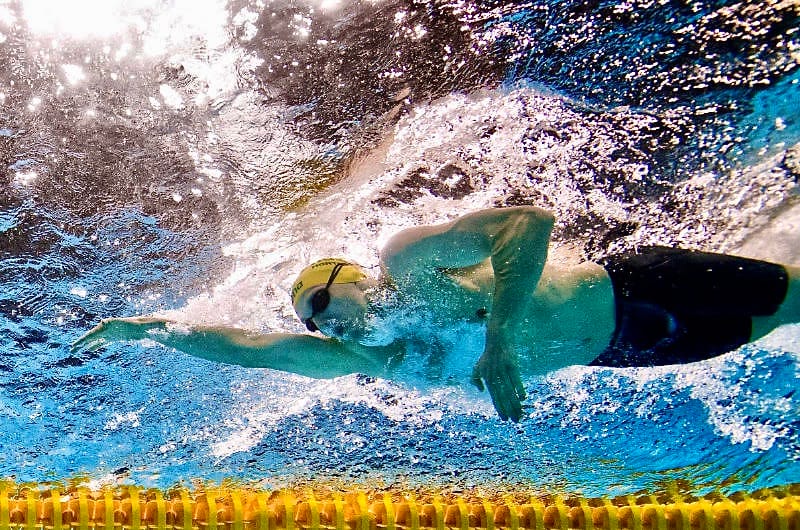
Still, for Horton, it's been a lucrative week anyhow. The Aussie ace who beat Chinese controversy Sun Yang* for the 2016 Olympic 400m freestyle crown in Rio, has just sold the South Melbourne apartment he owned with his wife Ella for not far shy of a million Dolphin dollars.
The $940,000 or so said to have been raised by the property sale will more than make up for being beaten by his former teammate Seebohm, perhaps, while his appearance fee will make it a million-Dolphin-dollar week for Horton.
The "big prize" (nothing) on the SAS show is something he'll recognise from his swimming days: the reward is the achievement of passing the gruelling test, in this case the condensed Special Forces selection course, the goal to endure the mental and physical military test.
There's no shame in not coming through the test, even in its condensed form. Here's a few things to appreciate, from a summary of what an SAS course is like:
British SAS (Special Air Service) selection is widely considered one of the toughest special forces selection processes in the world, with a failure rate often exceeding 90% to 95%. It is a six-month, 182-day process designed to strip down candidates physically and mentally to identify those with, as experts describe, "never give up" attitudes and extreme mental resilience. Here is what experts say about the intensity of the SAS course:
1. The "Hills Phase" (Endurance)
- Physical Breaking Point: The initial phase in the Brecon Beacons (Wales) is designed to test physical endurance, navigation skills, and mental fortitude. Candidates carry bergans (backpacks) weighing up to 70 lbs (30kg) over harsh, mountainous terrain in all weather conditions.
- The Fan Dance: A key test in this phase is the "Fan Dance," a 24km march over Pen y Fan mountain, which must be completed within a strict time limit.
- No Encouragement: Instructors (Directing Staff) provide zero encouragement or guidance. Candidates are expected to be entirely self-motivated; if they fail to meet the time, they are removed.
2. The Mental & Psychological Strain
- Beyond Physical Fitness: Experts emphasize that while extreme fitness is a prerequisite, the course is designed to test mental strength. It is described as a "pass or fail" system that aims to break individuals down, not just test their physical endurance.
- Isolation and Fatigue: Throughout the selection, candidates face severe sleep and food deprivation.
- The "Escape and Evasion" (E&E) Phase: The final, most gruelling stage involves being hunted by a "hunter force" after days of little sleep. It culminates in a 72-hour interrogation phase designed to test resistance to torture and questioning.
3. Key Characteristics of Selection
- High Failure Rates: Of an average intake of 200 candidates, often fewer than 25 pass.
- Voluntary Withdrawal: The majority of candidates drop out voluntarily, deciding they have had enough of the physical and mental torture.
- Jungle Phase: Following the hills, successful candidates go to a jungle environment (e.g., Brunei/Malaysia) for weeks to test their ability to function in extreme, high-humidity environments.
Summary of Expert Opinions
- "Superfit" is not enough: You can be an elite athlete, but without the specific, relentless mental drive to keep going when your body is broken, you will fail.
- Character over Ability: The staff are looking for individuals who can work in a team and maintain mental composure under extreme stress.
- "Who Dares Wins": The training is designed to mirror the extreme, high-stakes, and dangerous reality of the missions the SAS conducts.
February 3-4
Coventry Gives Warning Of ‘Difficult Decisions' To Be Made Over Future Olympic Programme
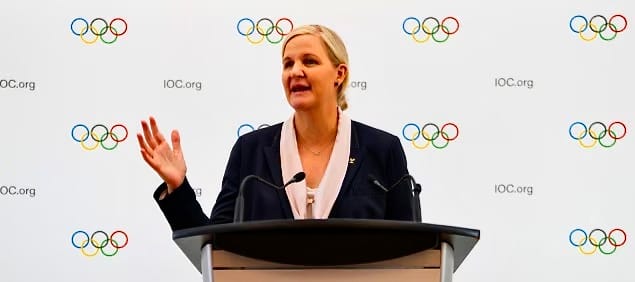
International Olympic Committee (IOC) president Kirsty Coventry, the first female leader in its 130-year history of the organisation, has acknowledged that 'difficult decisions and conversations' must be had about the Olympic events program f the Games are to retain popularity and inspire future generations.
"Uncomfortable" changes are on the horizon, Coventry told those gathered for the IOC's annual meeting in Milan as she prepares to preside over her first Olympics as boss. The Milan Cortina Winter Games set to open on Friday.
Coventry, the 2004 and 2008 200m backstroke Olympic champion for Zimbabwe, has defined the theme her presidency as "evolution".
Last June, just two months after having agreed to her sports alma mater, swimming, adding six more 50m sprint events to the schedule for the LA2028 Games, Coventry initiated a comprehensive review of more than 450 medal events in sports governed by over 40 federations, among them World Aquatics and its five-rings-worth of disciplines, across both the Summer and Winter Games.
The Dash ruling that added another six events to the Games program that will unfold seven years after Tokyo 2020ne saw swimming add the 1500m for women and 800m free for men:
 Craig Lord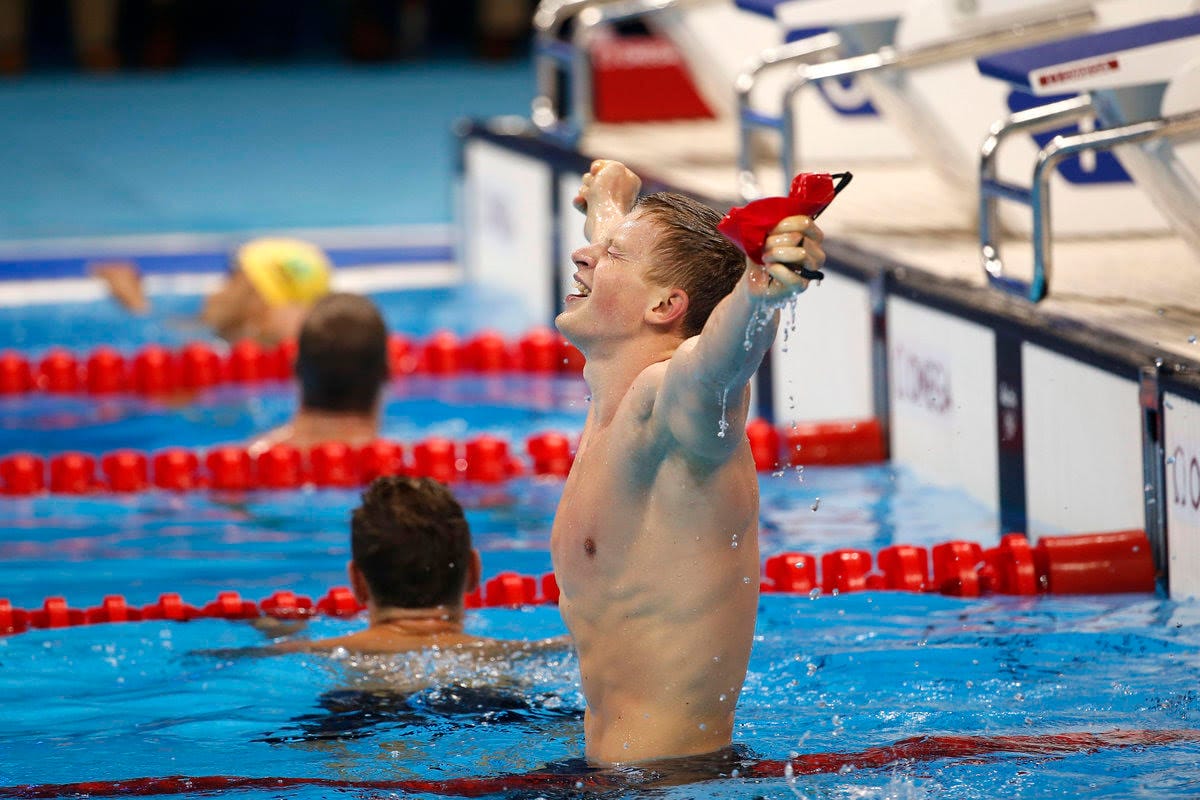
Just what Coventry's warning may mean for Aquatics sports remains to be seen, but the initial criteria cited by Coventry is this:
"We have to be honest about what works and sometimes more importantly what doesn’t. It means we have to look our sports, disciplines and events with fresh eyes to make sure we are evolving with our times. We will face difficult decisions and conversations — that’s part of change. I know these discussions can be, and potentially will be, uncomfortable but they are essential if we are to keep the Games strong for generations to come."
The outcomes of this Olympic programme review, part of Ms Coventry’s "Fit For The Future" agenda, at the heart of something of an Olympic staffing crisis recently, are expected to be announced later this year.
 Jens Weinreich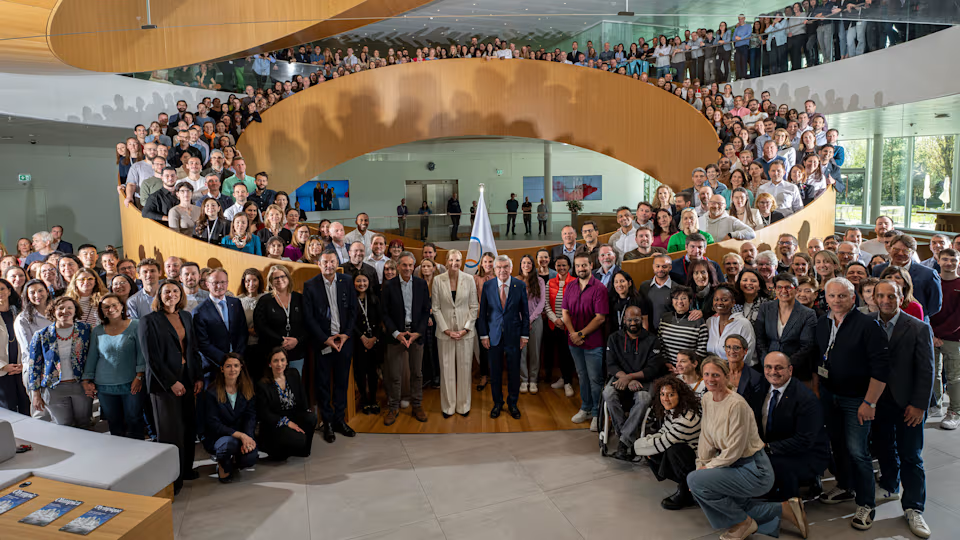
 Jens Weinreich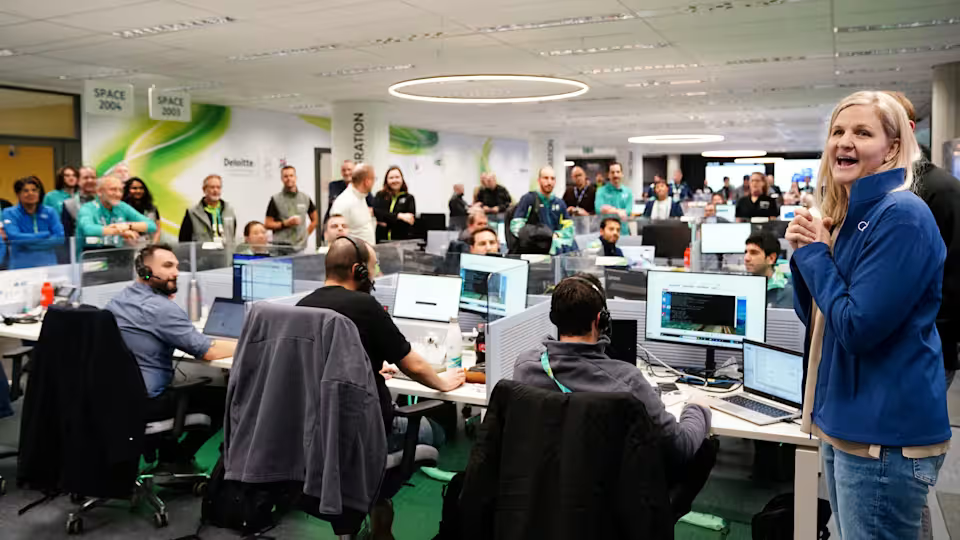
This century, the trend has been for some long-standing sports to come under pressure as Olympic bosses targeted younger audiences by incorporating urban sports such as skateboarding, 3-on-3 basketball and opening talks about esports. Breakdance made its debut at Paris 2024. 'Popularity' and 'relevance' have often been passing strengths and weaknesses at times for some sports, though swimming is constantly among the most popular and followed top 3 Olympic sports. That cannot be said of some of the others aquatics disciplines. Says Coventry:
"We have to ensure the Games remain inspiring for young people everywhere. That they reflect their values, their sense of authenticity and their search for something genuine."
She spoke of striking "a balance between tradition and innovation," which raises a red flag for some sports with a long Olympic heritage, modern pentathlon among those whispered to be under pressure.
Coventry cautioned against complacency, saying: "Yes, Paris was a great success but this moment is now in the past. It would be dangerous to rest on our laurels."
Nowacki Joins AP Race
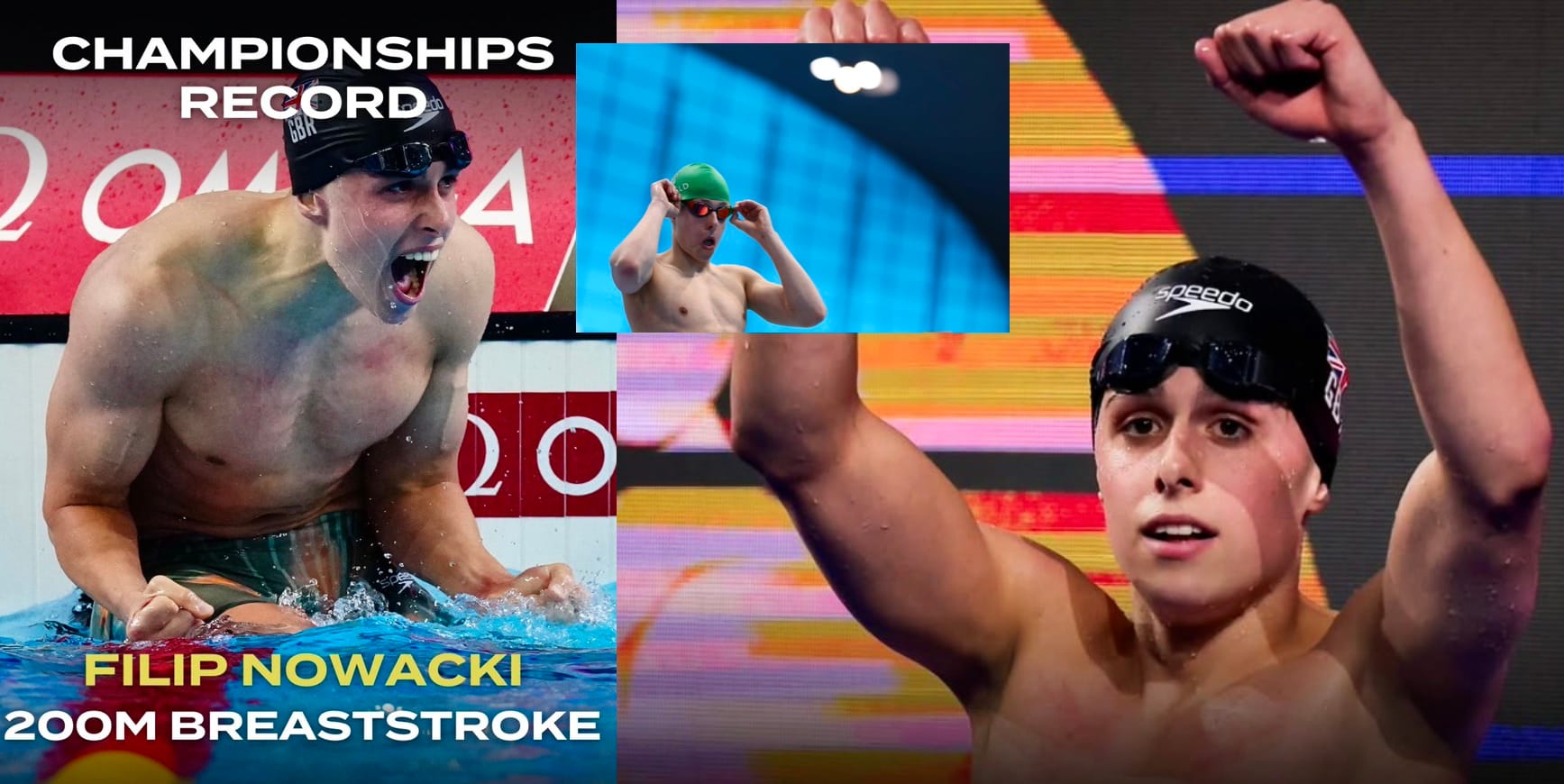
Great Britain's European Junior Record Holder and double World Junior Champion Filip Nowacki has joined AP Race and SWANS as an official ambassador.
In 2025, Filip made serious waves, claiming both World and European junior titles in the 100m and 200m Breaststroke, and taking home the top junior prize at the AP Race London International.
Here's Filip making the announcement:
Nowacki has also committed to Loughborough Performance Centre from September 2026. He will join the training group run by head coach Davi9d Hemmings, a squad that includes Olympic medallist Luke Greenbank and fellow Olympians Freya Colbert and Max and Joe Litchfield.
Nowacki has been coached by Keiron Piper at Millfield since 2024. He'll complete his A-Levels (pre-uni exams in the UK) in mathematics, physics and economics before representing Jersey at the 2026 Commonwealth Games in Glasgow this summer.
No swimmer representing Jersey has won a senior Commonwealth Games medal but Nowacki, developed at Tigers SC in Jersey under the guidance of coach Nathan Jegou, is a Commonwealth youth silver and bronze medallist in 2023 who is now a hot shot to pen history for his island.
In 2018, Harry Shalamon became the first Jersey swimmer ever to reach a Commonwealth Games final (50m backstroke), finishing sixth. In 2022, Gemma Atherley became the first woman from Jersey to qualify for a Commonwealth Games final (200m backstroke), finishing eighth.
Within two months last summer, Nowacki won four individual world and European junior titles in the 100 and 200m breaststroke, tested the British 200m record held by 2014 Commonwealth champion for the Scottish hosts, Ross Murdoch, and broke the British age-group record over 100m that had been owned by two-time Olympic champion.and silver medallist in the 100m breaststroke at he past three Games, Adam Peaty. And in between? A rest? No chance: Nowacki won eight golds for Jersey at the Island Games.
Nowacki ended 2025 making his senior debut for Great Britain at the European Short-Course Championships in Lublin, Poland, where he clocked 2:02.96, a European junior record, of en-route to fourth in the 200 breaststroke showdown.
In other GB news:
 Craig Lord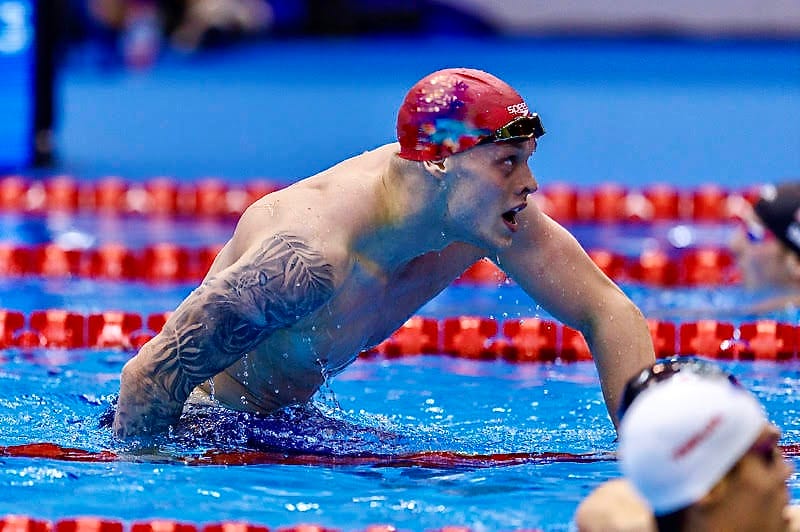
World No1 Moesha Johnson Leads 10 Dolphins To Open Water World Cup
Double World champion Moesha Johnson will a school of 10 Dolphins, including seasoned international podium-placers Chelsea Douyere (nee Gubecka), Kyle Lee and Nick Sloman into battle at the 2026 World Aquatics Open Water Swimming World Cup in Spain next month.
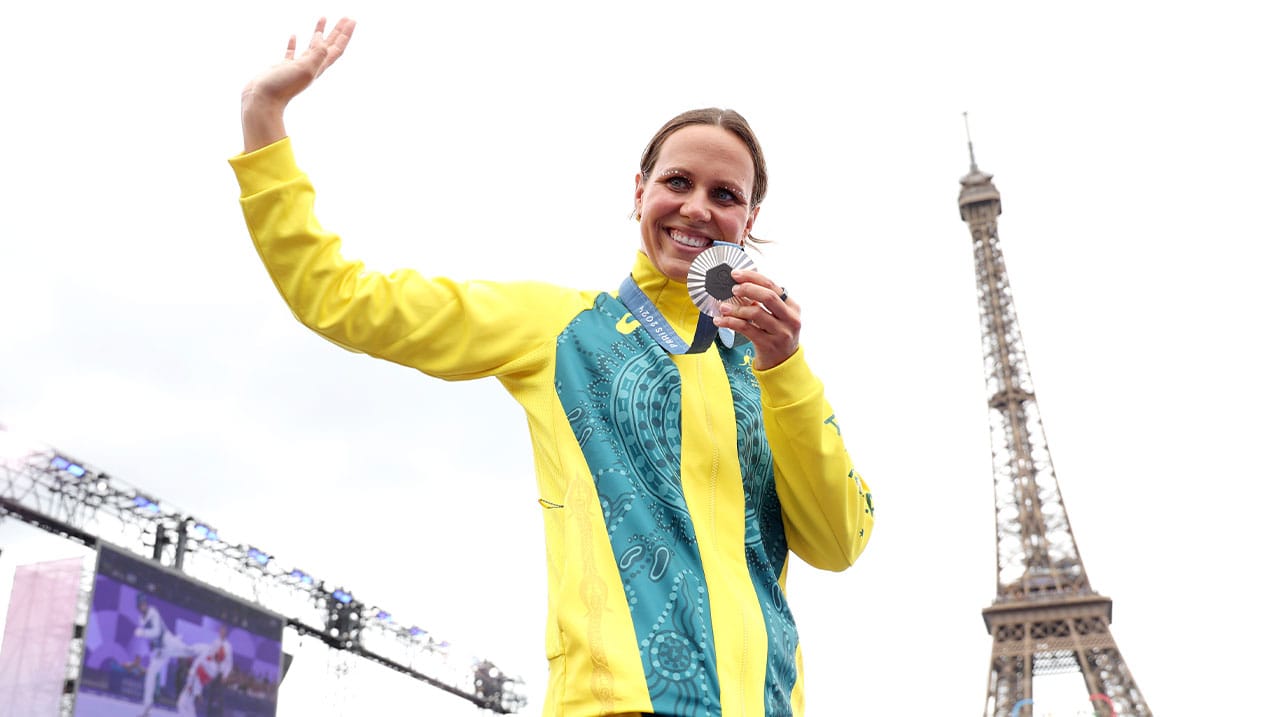
The team is completed by Australia top-five ranked open water swimmers:
Women
Moesha Johnson (Miami, QLD; Magdeburg Performance Centre, Germany)
Chelsea Douyere-Gubecka (Chandler QLD)
Tayla Martin (Carlile, NSW)
Tiana Kritzinger (Rackley, QLD)
Sienna Deurloo (Toowoomba Grammar, QLD)
Men
Nick Sloman (Melbourne Vicentre, VIC)
Kyle Lee (North Coast, WA)
Tom Raymond (Kawana Waters, QLD)
Bailey Armstrong (Miami, QLD)
Euan Linley (Knox Pymble, NSW)
Australia will also send 10 developers to theWorld Aquatics Junior Open Water Swimming Championships at Lago Sur in Santa Fe, a freshwater lake in Argentina, from September 3-6.
The Junior Dolphins School:
10km Boy’s 18-19
Daniel Cater (The Hills, NSW)
Lachlan Evans (St Peters Western, QLD)
10km Girl’s 18-19
Bianca Monaco (North Coast, WA)
Eleanor Flowers (North Coast, WA
7.5km Boys’ 16-17
Riley Meares (St Peters Western, QLD)
William Thorpe (St Peters Western, QLD)
7.5km Girl’s 16-17
Olivia Galea (Chandler, QLD)
Isobel Mulcahy (Carlile, NSW)
5km Boys’ 14-15
Mason Kopff (Sunshine Coast Grammar, QLD)
5km Girls’ 14-15
Mia Hoo (Carlile, NSW)
Apart from the individual events, the junior program will also include the 3km sprint knockout for each gender and the 4×1500m Mixed Relay.
Speaking through Swimming Australia, national Open Water Head Coach Fernando Possenti, said:
“I am so excited by this 10-member team and what they can do over the next four years. We have seen the senior team grow internationally so much in the past 18 months. And now we have the next tier of athletes coming through and I know that these swimmers, and our program, can challenge the best swimmers in the world.”
Also in the February Vortex:
- Angharad Evans and Ben Higson Added to Team Scotland for Glasgow 2026
- Euro Meet Highlights From Rosendahl, Richardson, Shortt, Richards, Colbert, Corbeau and Nowacki
Timeline
 Craig Lord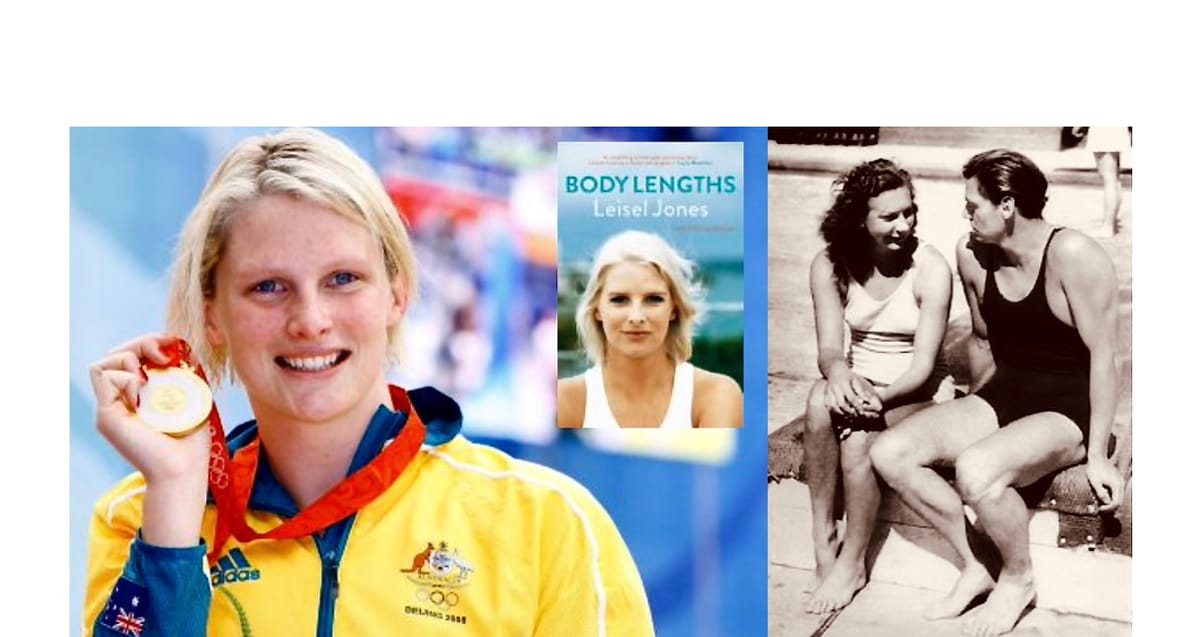
Legends in our SOS Hall of Fames in the Timeline this week:
 Craig Lord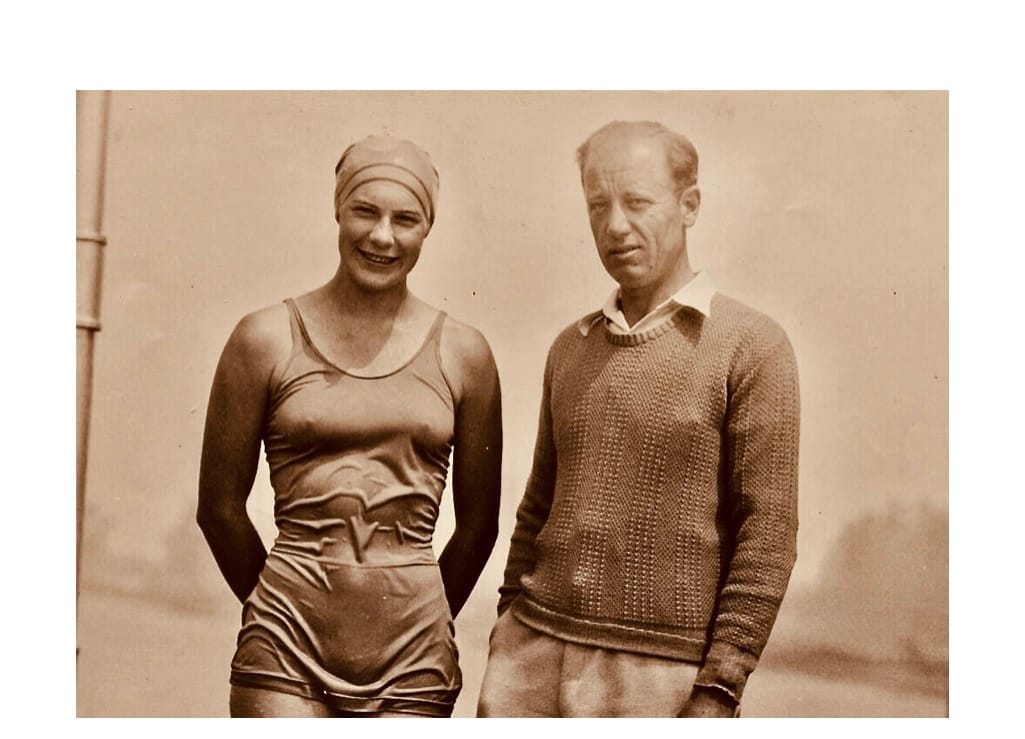
 Craig Lord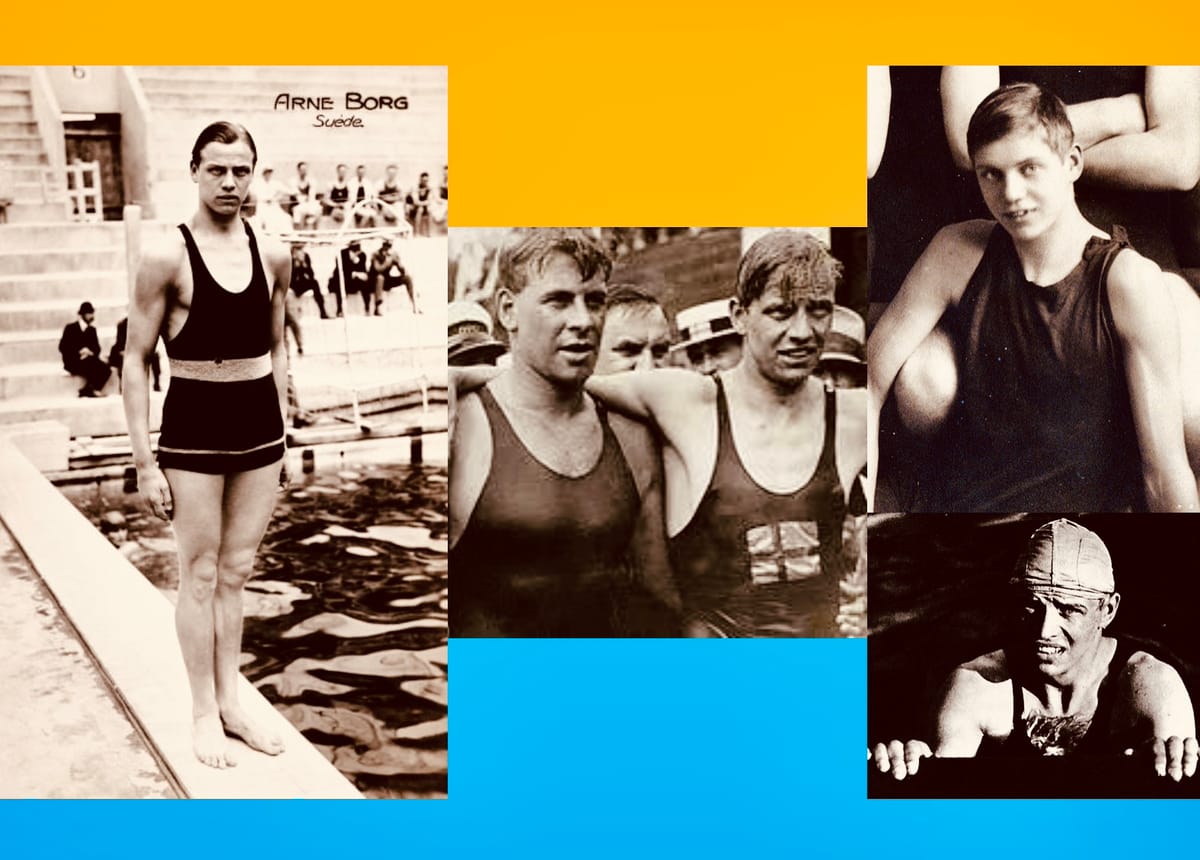
 Craig Lord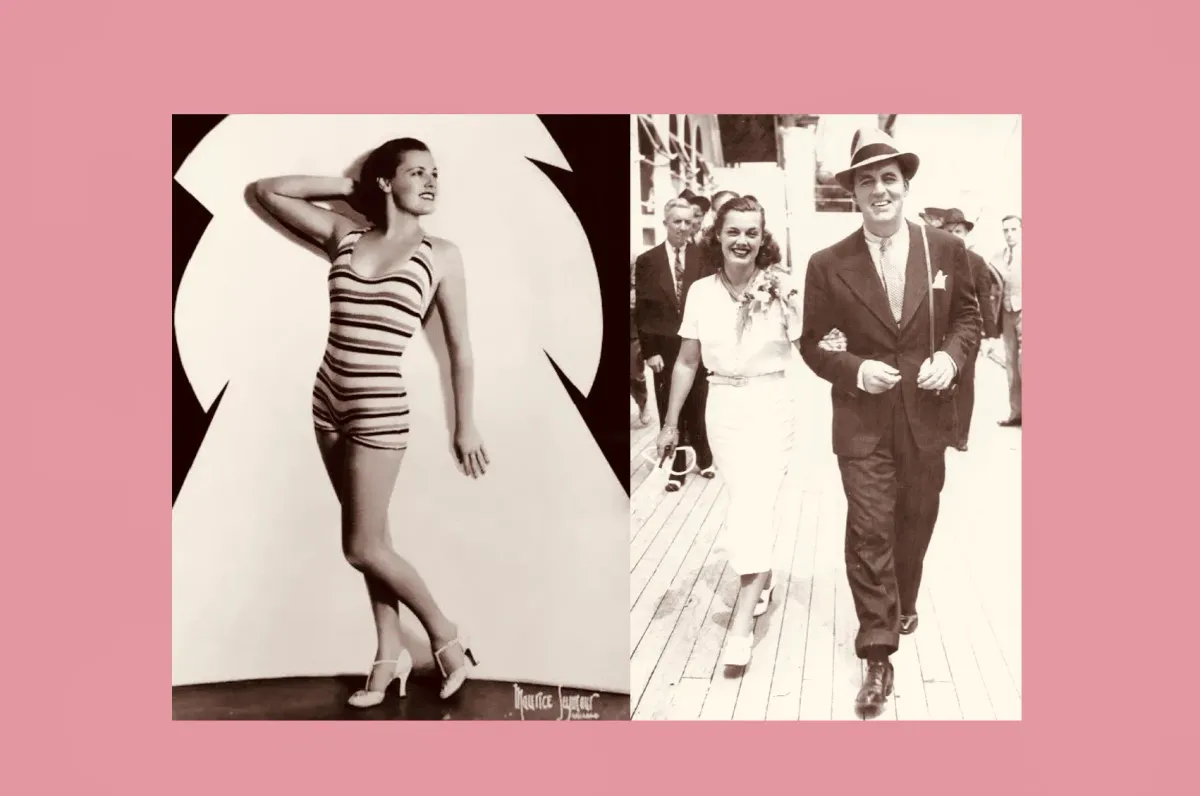
 Craig Lord