The Vortex - February 2026: The Courage Of Austin Applebee
The Vortex, our monthly compilation of news, views & links to external coverage of the sport, is available as part of our offer of free content emailed to those who register. For a deeper dive, consider a paid subscription in support of our work. Thank you


February 6
Channel 7 has interviewed 13-year-old Austin Applebee, who swam for four hours in cold and dangerous waters to save his mum and younger brother and sister after hey were all swept out into the Indian Ocean clinging to paddleboards.
As daylight started to fade, Austin spoke to his mum and told her he would swim off to go and get help: he swam about 4 kilometres in 4 hours, drifting 13 kilometres from the family's starting point at Quindalup.
Austin's inflatable kayak was taking on water, so he led it go. Then he unstrapped his life jacket and chucked it away: it was impacting his mobility and swimability. Courage and conviction took hold in a boy who, according to Austin Applebee had recently failed his VacSwim swimming classes.
Austin tells us he used a mix of breaststroke, freestyle and "survival backstroke.":
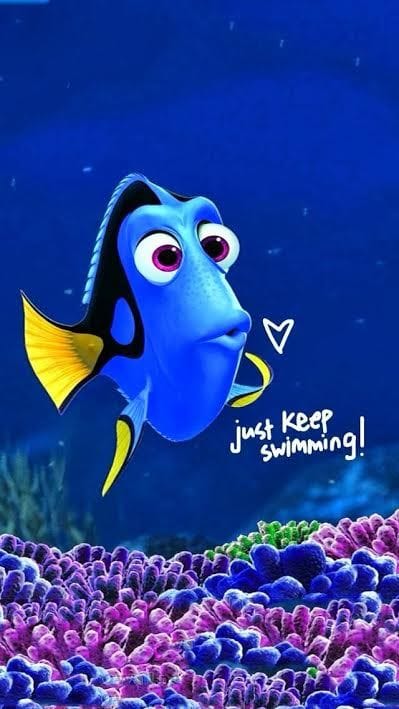
"The waves were massive, and I had no life jacket on… I just kept thinking 'just keep swimming, just keep swimming,'"
As Patrick Keene, a great scribbler of Aussie sporting history, notes:
"To ward off fatigue he prayed, thought of his friends, his girlfriend and even Thomas the Tank Engine, anything positive to keep him going over the 4 kilometre journey. "And then I finally made it to shore, and I hit the bottom of the beach, and I just collapsed."Absolutely exhausted, he then courageously ran for two kilometres to ring for help and helicopters were dispatched to save his family who had been out on the water for 10 hours. What a superhuman effort driven by belief, resilience and a promise to his mother. And a reminder not to skip those swimming lessons."
The Channel 7 interview:
The film script is written - perhaps Austin could play himself... guest appearances from Thomas the Tank Engine and the cast of Nemo:
February 5
When Seebohm Beat Horton On The SAS Course But Big Mack Landed Million-Dolphin-Dollar Week
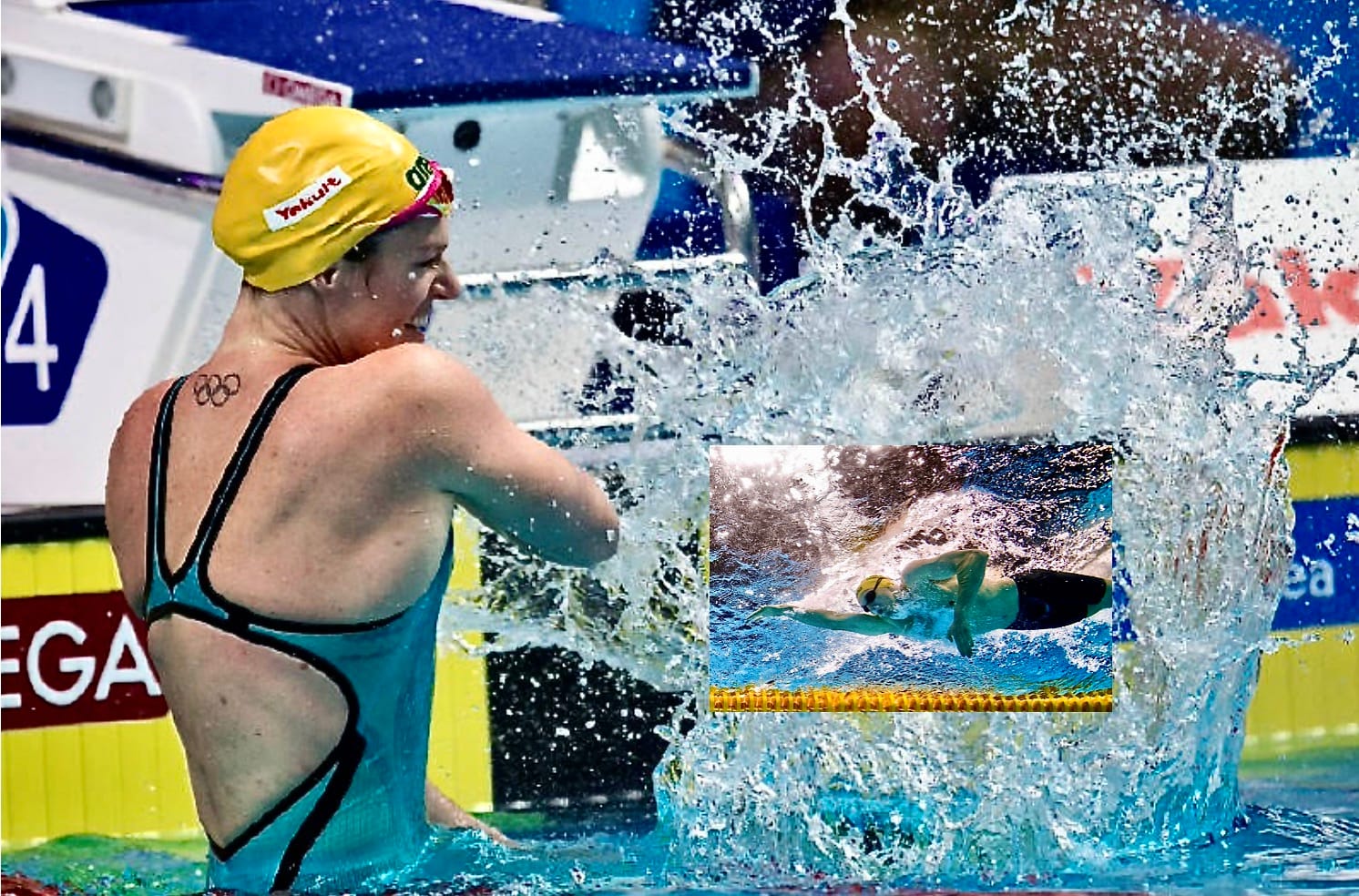
The 2026 Celebrity SAS Australia test (Aussies vs Brits this season) saw the men crushed by the women, former Dolphin ace Emily Seebohm, with Dani Dyer-Bowen and Gabby Allen staying the course where the men, including another ex-Dolphin ace, Mack Horton, could not.
There's no prize money for winning the SAS challenge, though appearance money on the show is said to range from AUS$30,000 to more than AUS$100,000 for the two-week series. As the SAS show's narrator often states, there is "no prize, no special treatment". And, by the sounds of it, no mercy!
Horton withdrew from the gruelling, eight-day competition during the final interrogation stage - which was described as a 12-hour, intense, and psychologically demanding, simulated hostage situation - along with another bloke, Ben Cohen, in that late stage. Neighbours soap actor Ryan Moloney. was the third celebrity Aussie male in the battle, but the Team Australia contestant quit earlier in the challenge after admitting he was "mentally spiralling" and struggling with the intense pressure.
Seebohm and the other Aussie ladies made a bigger splash than the blokes, coming through the psychological stress test at the end.
Still, for Horton, it's been a lucrative week anyhow. The Aussie ace who beat Chinese controversy Sun Yang* for the 2016 Olympic 400m freestyle crown in Rio, has just sold the South Melbourne apartment he owned with his wife Ella for not far shy of a million Dolphin dollars.
The $940,000 or so said to have been raised by the property sale will more than make up for being beaten by his former teammate Seebohm, perhaps, while his appearance fee will make it a million-Dolphin-dollar week for Horton.
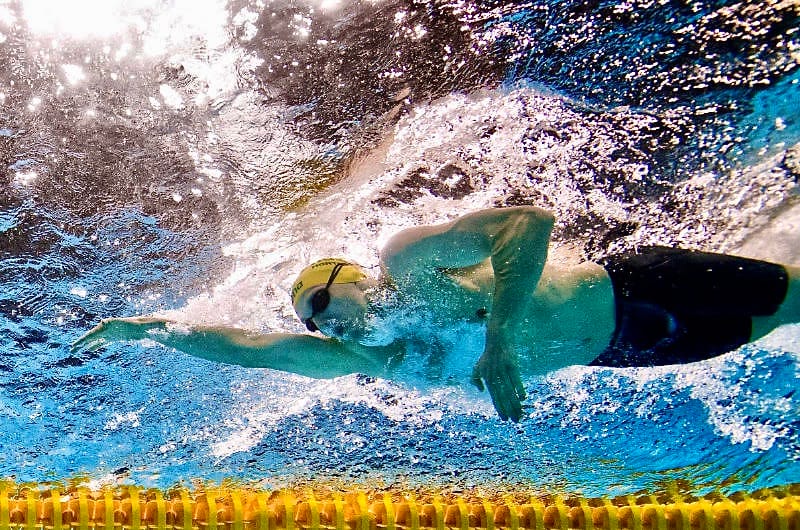
The "big prize" (nothing) on the SAS show is something he'll recognise from his swimming days: the reward is the achievement of passing the gruelling test, in this case the condensed Special Forces selection course, the goal to endure the mental and physical military test.
There's no shame in not coming through the test, even in its condensed form. Here's a few things to appreciate, from a summary of what an SAS course is like:
British SAS (Special Air Service) selection is widely considered one of the toughest special forces selection processes in the world, with a failure rate often exceeding 90% to 95%. It is a six-month, 182-day process designed to strip down candidates physically and mentally to identify those with, as experts describe, "never give up" attitudes and extreme mental resilience. Here is what experts say about the intensity of the SAS course:
1. The "Hills Phase" (Endurance)
- Physical Breaking Point: The initial phase in the Brecon Beacons (Wales) is designed to test physical endurance, navigation skills, and mental fortitude. Candidates carry bergans (backpacks) weighing up to 70 lbs (30kg) over harsh, mountainous terrain in all weather conditions.
- The Fan Dance: A key test in this phase is the "Fan Dance," a 24km march over Pen y Fan mountain, which must be completed within a strict time limit.
- No Encouragement: Instructors (Directing Staff) provide zero encouragement or guidance. Candidates are expected to be entirely self-motivated; if they fail to meet the time, they are removed.
2. The Mental & Psychological Strain
- Beyond Physical Fitness: Experts emphasize that while extreme fitness is a prerequisite, the course is designed to test mental strength. It is described as a "pass or fail" system that aims to break individuals down, not just test their physical endurance.
- Isolation and Fatigue: Throughout the selection, candidates face severe sleep and food deprivation.
- The "Escape and Evasion" (E&E) Phase: The final, most gruelling stage involves being hunted by a "hunter force" after days of little sleep. It culminates in a 72-hour interrogation phase designed to test resistance to torture and questioning.
3. Key Characteristics of Selection
- High Failure Rates: Of an average intake of 200 candidates, often fewer than 25 pass.
- Voluntary Withdrawal: The majority of candidates drop out voluntarily, deciding they have had enough of the physical and mental torture.
- Jungle Phase: Following the hills, successful candidates go to a jungle environment (e.g., Brunei/Malaysia) for weeks to test their ability to function in extreme, high-humidity environments.
Summary of Expert Opinions
- "Superfit" is not enough: You can be an elite athlete, but without the specific, relentless mental drive to keep going when your body is broken, you will fail.
- Character over Ability: The staff are looking for individuals who can work in a team and maintain mental composure under extreme stress.
- "Who Dares Wins": The training is designed to mirror the extreme, high-stakes, and dangerous reality of the missions the SAS conducts.
Also in the February Vortex:
- World No1 Moesha Johnson Leads 10 Dolphins To Open Water World Cup
- Nowacki Joins AP Race
- Coventry Gives Warning Of ‘Difficult Decisions' To Be Made Over Future Olympic Programme
- Angharad Evans and Ben Higson Added to Team Scotland for Glasgow 2026
- Euro Meet Highlights From Rosendahl, Richardson, Shortt, Richards, Colbert, Corbeau and Nowacki
Timeline
 Craig Lord
Other Legends in our SOS Hall of Fame this week:
 Craig Lord
 Craig Lord
 Craig Lord
 Craig Lord