The Vortex - February 2026: Five Go To CAS For Fairness Reforms Of Broken Doping & Governance System
The Vortex, our monthly compilation of news, views & links to external coverage of the sport, is available as part of our offer of free content emailed to those who register. For a deeper dive, consider a paid subscription in support of our work. Thank you


In a legal challenge that may have implications for swimming, five track and field athletes, all women, who were cheated out of their rightful place on the podium, at the London 2012 Olympic Games have launched a pioneering case against World Athletics and the World Anti-Doping Agency at the Court of Arbitration for Sport.
The five women are American Shannon Rowbury, fellow middle-distance runner Alysia Johnson Montaňo, and a third Team USA mate, Lashinda Demus and her fellow hurdlers Zuzana Hejnova, of the Czech Republic, and Jamaican Kaliese Spencer.
Rowbury raced in a 2012 final that Rick Broadbent, my colleague at The Times, today describes as having "supplanted even the infamous men's 100m at the 1988 Olympics to become regarded as 'the dirtiest race in history'."
Each of the athletes has spent more than three Olympic cycles since being told that one real after another was subsequently found to have cheated. While promotion up the ranks, onto and even up higher on the podium is possible these days under reforms at the International Olympic Committee, under its "Take The Podium" program, the harm done has not been compensated for.
The five women, one for each ring, want "a clean athletes' assistance fund, stronger conflict-of-interest rules and a provisional Olympic ban for anyone found with an abnormal biological passport before the Games", writes Broadbent.
The athletes are seeking GoFundMe, crowdfunding, support to assist with the costs of legal actions, reform initiatives and public awareness campaigns.
If successful, their challenge would set a precedent that may then be scrutinised by swimmers who have reason to look back in anger and sorrow for what might have been on the day, the lights on, the crowd in the venue, the world watching.
Rowbury's case has been strung out for more than three Olympic cycles: in 2024, a fifth competitor from the 1,500m in 2012 was banned for doping offences, while a sixth had received a provisional suspension, but was later cleared.
The rewriting of history that has ensued as five cheats fell by the wayside meant Rowbury, sixth at London 2012, was upgraded to bronze. That medal will be presented to her at Los Angeles 2028, the crowd present, the real moment lost.
She and the other four women challenging the status quo are calling for "anti-doping reforms and new support systems that will not only compensate victims but also create a fairer deal for clean athletes", writes Broadbent.
Rowbury notes the imbalance of power in the governance-athlete relationship when she tells The Times:
"If an athlete is caught doping their fees are waived at CAS, but us women, who have been deeply damaged by doping and are bringing this case for reform and damages, are required to front the anticipated fees. The governing bodies that are making money off athletes' performances are now joining forces against us to prevent change. It's been both absurd and heartbreaking to live through this. I at least expected it to be more civil but it's been crazy."
The women's case runs deep, all the way down to corruption at the helm and heart of governance:
An independent commission report in 2016 found that IAAF consultant Papa Massata Diack, son of Lamine Diack, then the IAAF president, met Asli Cakir Alptekin, the original winner n Rowbury's 1,500m race in 2012, to discuss an abnormal Athlete Blood Passport problem, which was known about BEFORE she ran to fool's gold in London.
Diack junior's reason for a chat? The report says he met her in Monaco after the Olympics and asked for €650,000 to make the problem go away.
Diack senior, as well as Olympic power-broker Sheikh Ahmad Al-Fahad Al-Sabah, are among Olympic sport officials who have fallen from grace in recent times:
 GRAHAM DUNBAR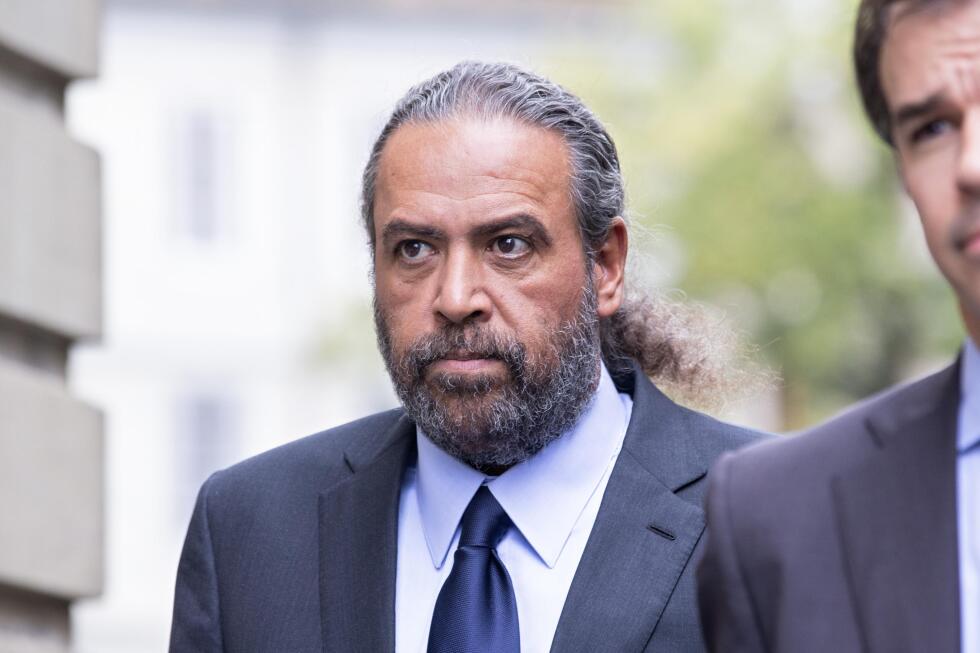
 Jens Weinreich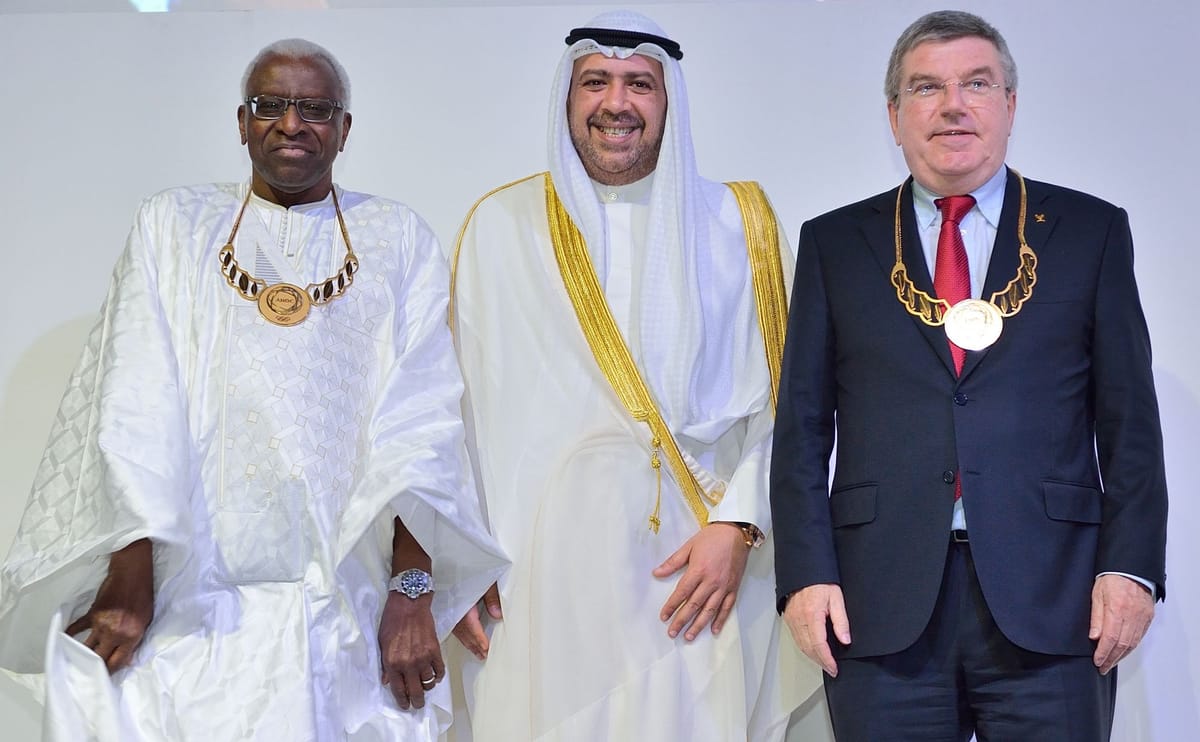
Diack junior has and is also being challenged legally:

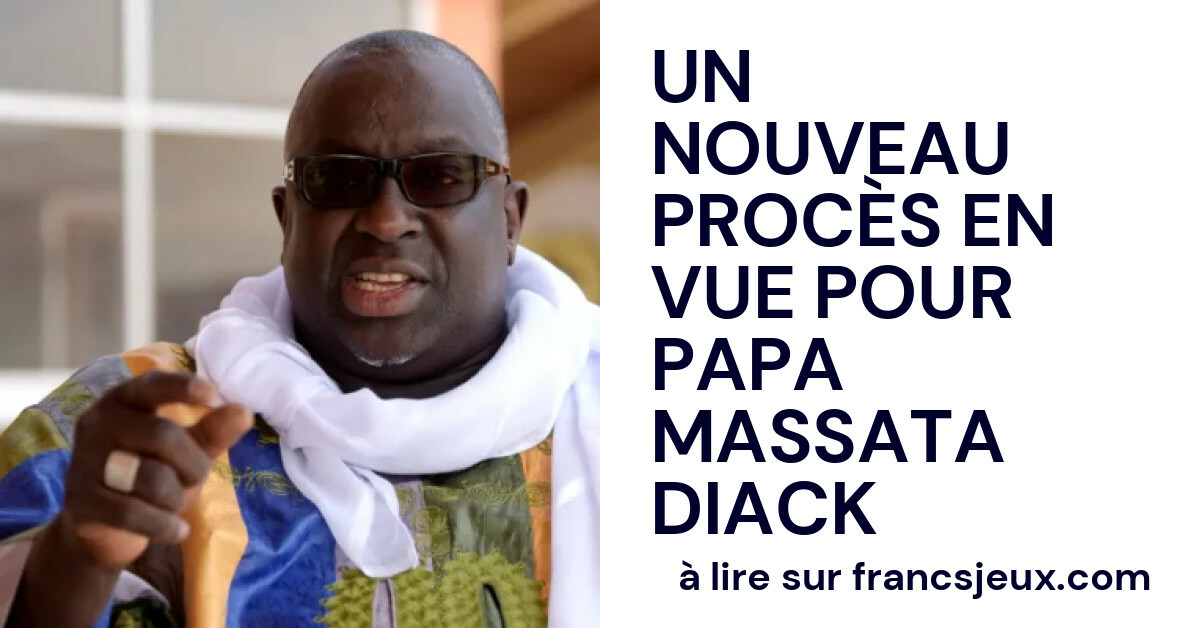
All of which comes 12 years after this:
 Owen Gibson
The links between some in the Olympic 'family' are among reason why the five women now challenging the system say that the matter of conflicts of interest needs scrutinising.
The Times today cites an example from the Chinese swimming scandal of 2020-2021, a case only revealed in spring 2024 by the media. Trust in WADA and swimming's global signatories to its Code plummeted when 28 positive tests returned by 23 swimmers resulted in no action at all.
Their cases were put down to a theory of mass contamination presented by Chinese state security authorities. At the time, independent checkers could not investigate on the ground in China, but WADA and World Aquatics accepted what were highly questionable explanations for events in what were effectively lock-up conditions with no access to outside inspectors.
A subsequent 'independent' report was conducted by Eric Cottier, who had worked closely with the man who audited Wada's investigations department. WADA rejected suggestions that the process lacked independence. Cottier concluded that WADA had shown no "favouritism or complacency" towards China
The resulting loss of trust and for with the United States Anti-Doping Agency (Usada) contributed this outcome:
 Matt Lawton, Chief Sports Correspondent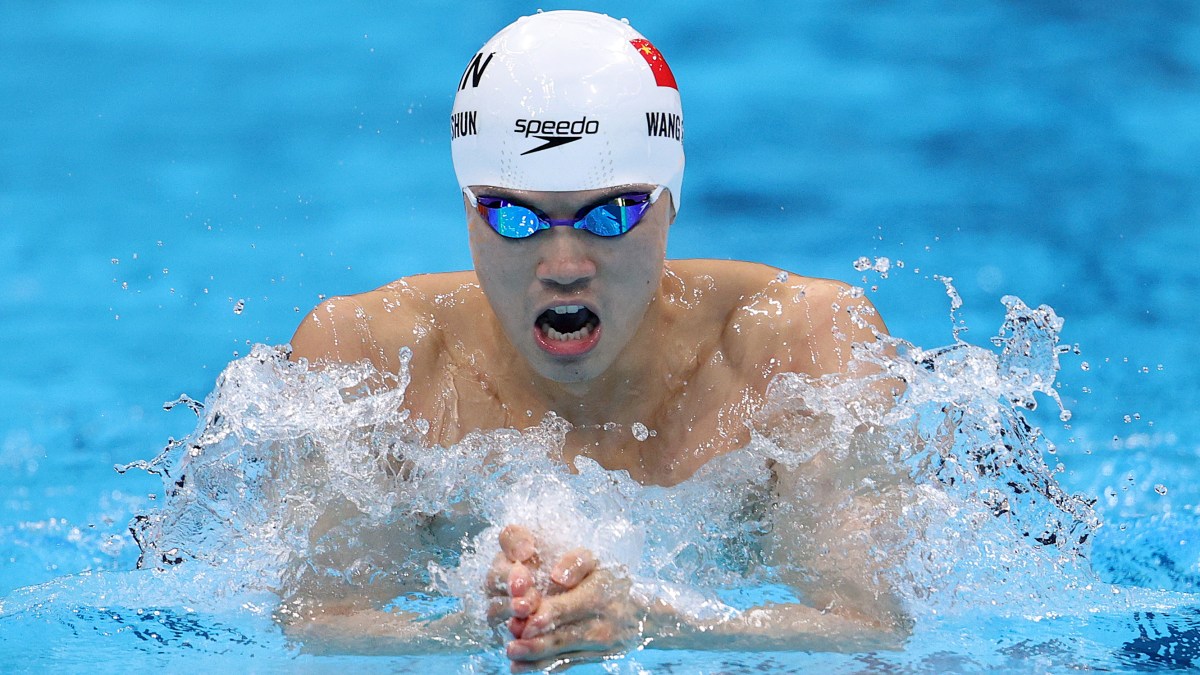
All of that and much more must change, say the five athletes pressing the issue.
The Times report in full:
 Rick Broadbent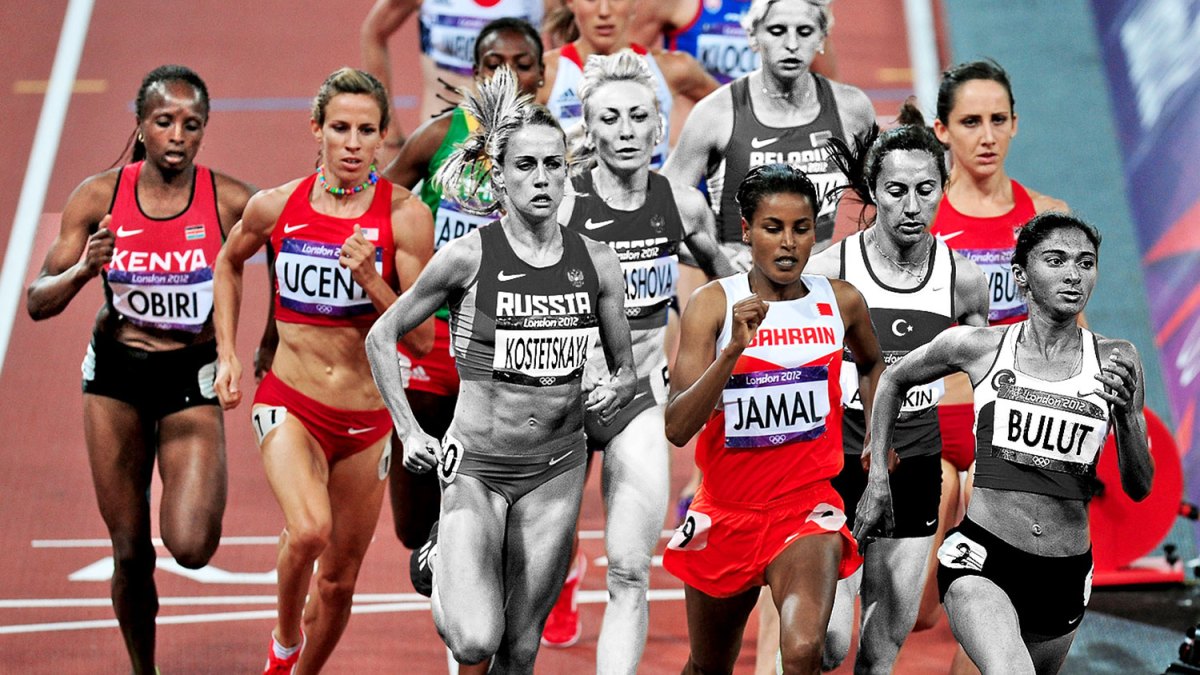
Ukraine Decries IOC 'Legitimisation of "Evil"
Ukraine’s sports minister has decried a position of the International Olympic Committee that has been widely interpreted as a precursor to allowing Russians and Belorussians back into the Olympic fold come 2028.
Thirteen Russians are competing as “Individual Neutral Athletes” this month at the Milan Cortina Olympics. They cannot wear any Russian or Belorussian symbols and won’t hear the Russian national anthem if they win a gold medal, nor see their national flag should they make the podium.
Matvii Bidnyi, Ukraine’s minister of youth and sports, told The Associated Press in an interview in Milan that any change would be “irresponsible” and appear to condone Russia’s invasion as the war’s fourth anniversary approaches. He added:
“It looks like you want to legitimize this evil. We must keep this pressure until this war ends.”
That stance is widely supported as logical, because nothing has changed since Russia was barred from participation for breaking the Olympic Truce. It continues to do so: as athletes compete in Italy this week, Ukrainian citizens continue to be murdered by the aggressors and infrastructure continues to be bombarded and annihilated.
There is no suggestion that either Russia or Belarus are happy to tell their own athletes that they will step back out of respect for the Truce or, indeed, the principle of no politics in sport, with at least four of the 13 athletes allowed to compete as 'neutrals' linked in one way or another to state military.
Related:
 Craig Lord
Also in the February Vortex:
- Brit Bid Battle Takes Shape For 2036-40 Olympics
- Andy Reid named Swim Ireland national performance director
- Shoal Of Big Names Off To China Open
- Siobhán Haughey In Fine Fettle At Dubai Open (52.77, 100 free)
- Bronte's Two-Centre Prep Paves Way For NSW 'Game-Changer'
- The Courage Of Austin Applebee
- When Seebohm Beat Horton On The SAS Course But Big Mack Landed Million-Dolphin-Dollar Week
- Coventry Gives Warning Of ‘Difficult Decisions' To Be Made Over Future Olympic Programme
- World No1 Moesha Johnson Leads 10 Dolphins To Open Water World Cup
- Nowacki Joins AP Race
- Coventry Gives Warning Of ‘Difficult Decisions' To Be Made Over Future Olympic Programme
- Angharad Evans and Ben Higson Added to Team Scotland for Glasgow 2026
- Euro Meet Highlights From Rosendahl, Richardson, Shortt, Richards, Colbert, Corbeau and Nowacki


