
The Mental Health & Well-Being of Swimming Coaches in the United Kingdom
Research led by Dr Joseph Stanford at Nottingham Trent University has been published after the work was commissioned by the BSCA. The results speak volumes about an aspect of sport often neglected by governors and regulators with oversight of the work environment & culture

The year is yet new but a paper entitled "The Mental Health and Well-Being of Swimming Coaches in the United Kingdom" is likely to be among the most important papers of 2026, regardless of whatever may appear on the horizon.
It's the work of project lead Dr Ella McLoughlin, Dr Joseph Stanford, Research Fellow in Sport Psychology at Nottingham Trent University, and colleagues Laura Healy and Julie Johnston. Here are some of the most striking findings, in Dr. Stanford's own words:
- Around two-thirds of coaches reported symptoms of depression (64%) or anxiety (67%) , far higher than levels typically seen in athletes or the general public.
- Almost a third felt lonely or isolated or struggled to maintain a reasonable work - life balance.
- 38% were unaware of available mental health support.
- Full-time male coaches experienced the highest burnout and lowest wellbeing.
- Strained relationships, parent-led committees, and a lack of understanding about the realities of coaching were major contributors to stress.
Many coaches described feeling isolated while navigating high workloads, long hours poolside, performance pressures, and complex stakeholder relationships. Importantly, the paper also outlines some practical steps that may help. Based on the findings, coaches may benefit from:
- Reducing non-essential off-deck administration by delegating tasks.
- Ensuring head coaches take appropriate breaks and potentially adopting a team-coaching model that allows assistants or junior coaches to lead at times.
- Using workload trackers or shared calendars to help committees understand the full scope of day-to-day responsibilities.
- Agreeing clear, realistic written job descriptions with defined expectations and boundaries.
- Developing peer-support groups with trusted coaching colleagues — calling a coach friend and not facing challenges alone.
The British Swimming Coaches Association (BSCA) commissioned Nottingham Trent University to conduct research examining the mental health and well-being of swimming coaches in the United Kingdom. This was driven by an observation that increasing numbers of BSCA members were seeking greater support for their mental health and well-being:
 Craig Lord
The work has been welcomed by the BSCA, led by executive director Brian McGuinness, and has already reached far beyond the UK. Among those praising the work is Bill Sweetenham, former Britain performance director, who, from Australia, paid plaudits to Dr Stanford and the Nottingham Trent team in a note that read: "You have done a really great job with this research… excellent."
SOS will dive deeper into the excellent work of the Nottingham Trent team in the coming weeks. The full read can be found here at Human Kinetics.
A first thought: the wheels turn slowly, sometimes far too slowly, in Olympic sport (see our 2014 archive below, from a session at the forward-thinking World Aquatics development Conference), Attention to the work environment of coaches (and therefore athletes and those who support both, as well and the parents and families who provide the love, the funds, the rides, the food, the much else) and its impact on coaches is not new, but this latest contribution is specific to one community, a community that has experienced more than its fair share of preventable challenges at the interface of professional and voluntary leadership of clubs and organisations.
Here's a reminder of a few examples, with some exasperating experiences still to be brought to a conclusion years after a great many avoidable missteps were made:
 Craig Lord
 Craig Lord
 Craig Lord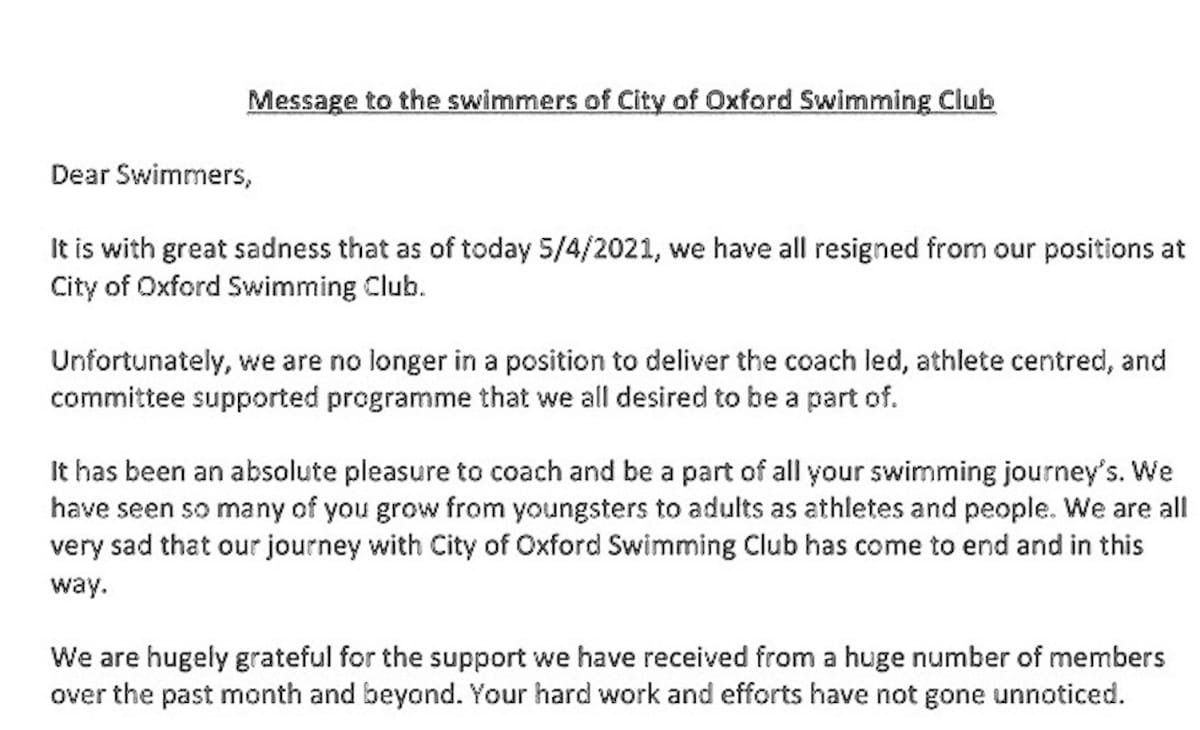
From The SOS Archive - World Aquatic Development Conference (WADC) - Lund, Sweden, 2014:
Coach Burnout – by Craig Lord
Simply register to read more ...


