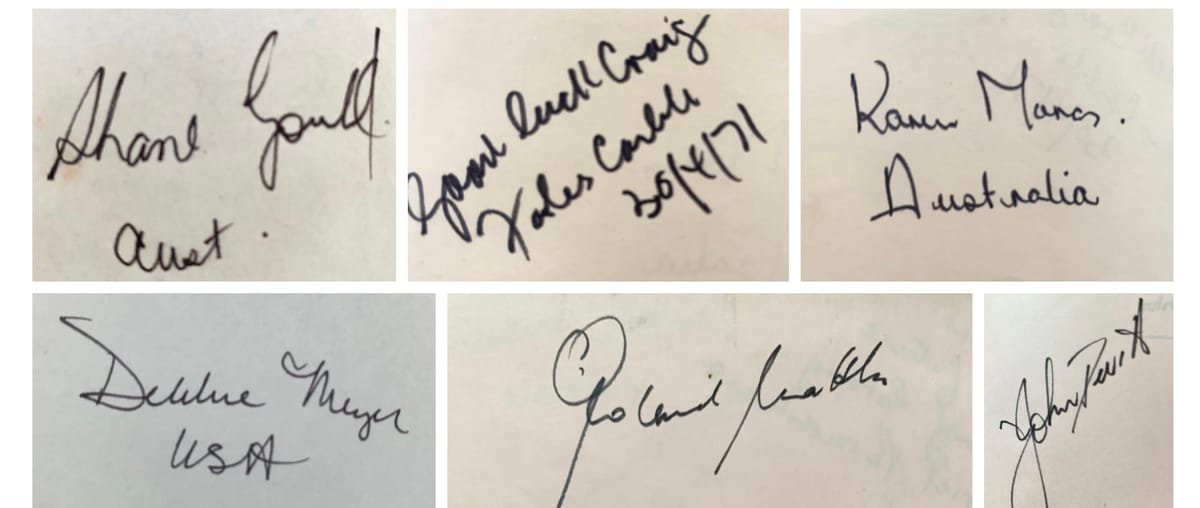
SOS Carlile Cup For Lifetime Achievement To Dr. Shane Gould
The Carlile Cup is State of Swimming's Lifetime Achievement Award, which from this year we will extend to more than one recipient to reflect the key realms Forbes & Ursula Carlile were passionate about: coaching; athletes; lifetime learning; and governance. First up, a great pupil of theirs

“To swim well is an asset for life,” Forbes Carlile once said. Shane Gould did it somewhat better than 'well', but the Australian shooting star and pioneer of pace in the early 1970s has ticked several other big boxes stacked with the thirst for knowledge, lifelong learning and gifting its rewards to the next wave that Forbes and his wife and pool partner, Ursula Carlile, personified.
The Carlile Cup, which was named after and in honour of Australian coaching legends and founders of the eponymous Carlile Swim Team (a squad on the up once more and led since 2021 by Chris Nesbit) and its swim schools and related projects is granted to those whose contribution is not only deep in decades but delivered leadership, pioneering progress and made a significant contribution to the betterment of swimming.
Dr. Shane Gould fits the bill - and how.
There is no big read from me this day, if only because much of what I'd write, I've written down the years in various forms (find some of it below) - and that which I have not yet completed must wait for another day when a different approach to 'swimming' is ready to be born.
Gould, who will turn 70 in November this year, today celebrates the 54th birthday of the moment she took on sole ownership of the World 100m freestyle record - at 58.5 in Sydney on January 8, 1972, en route to what remains the biggest single-Games, individual-event haul in the history of Olympic women's swimming (3 gold - all in World record times - 1 silver, 1 bronze, covering all four strokes):
 Craig Lord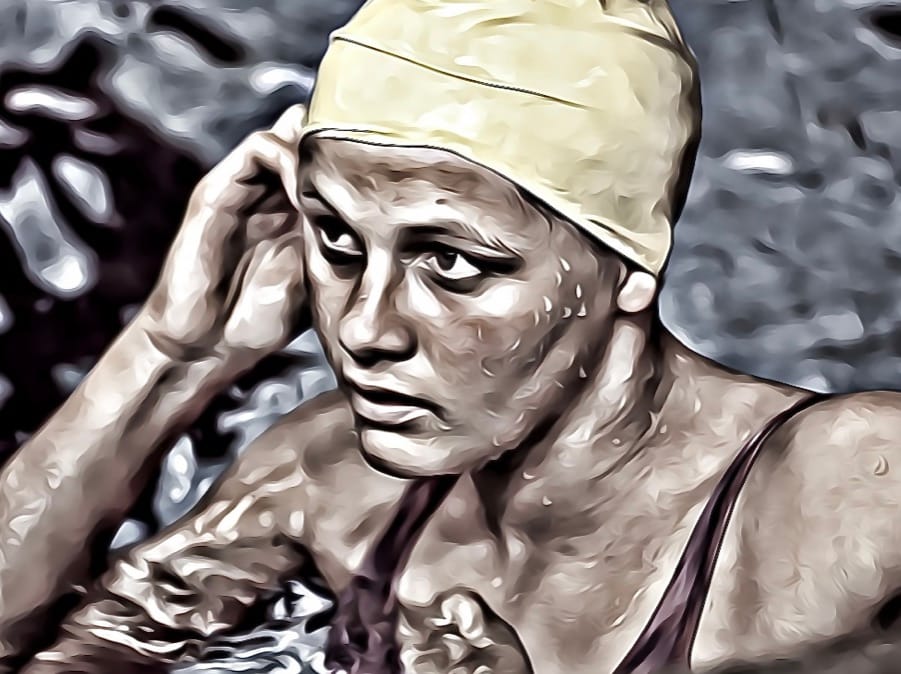
The fist file below looks at key moments of her racing days under the lights as a swimmer who shone so brightly her USA opponents ran up some t-shirts declaring "All That Glitters Is Not Gould" to see if they might catch the comet's tail. Her response was pure Gould: she took a nail file to the call room before her Munich 1972 finals, the sharpening of claws was something for her to focus on, and for others to fear (and that spirit remained with and in her, as the events and tactics that led her victory in the Survivor series Down Under showed so well). Here's the swim bit long before that:
 Craig Lord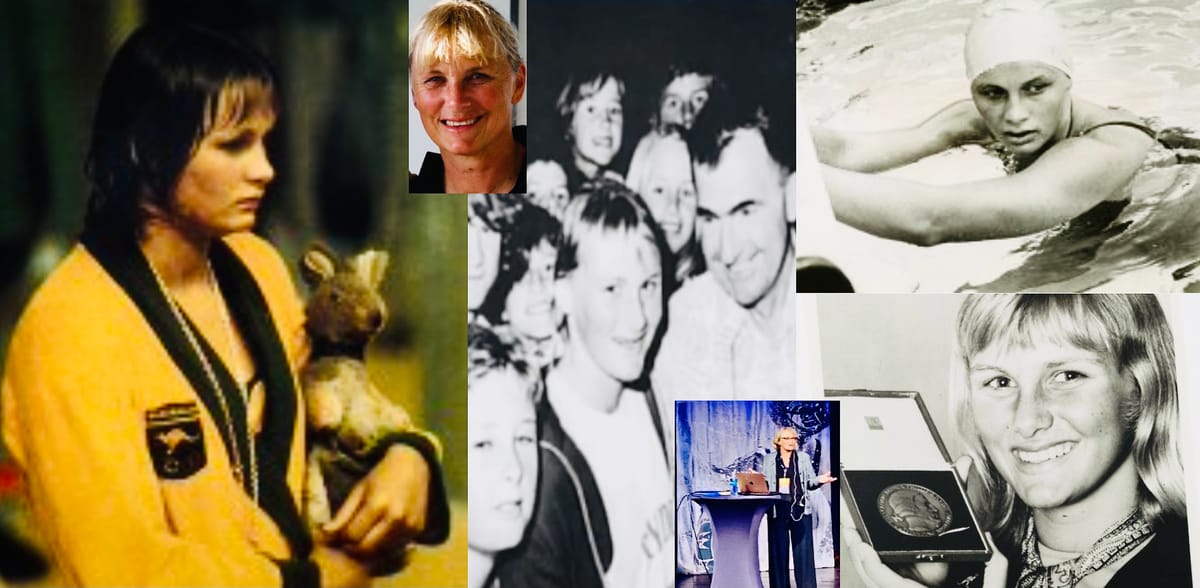
What followed is well told in Tumble Turns, her autobiography, while a return 'to the old', back to the swimming fold in the mid-to-late 1990s also marked the start of a wonderful new chapter in Gould's life, one in which the rewards of a lifetime of learning blossomed, bloomed and parked a Dr. in front of her famous name:
 Craig Lord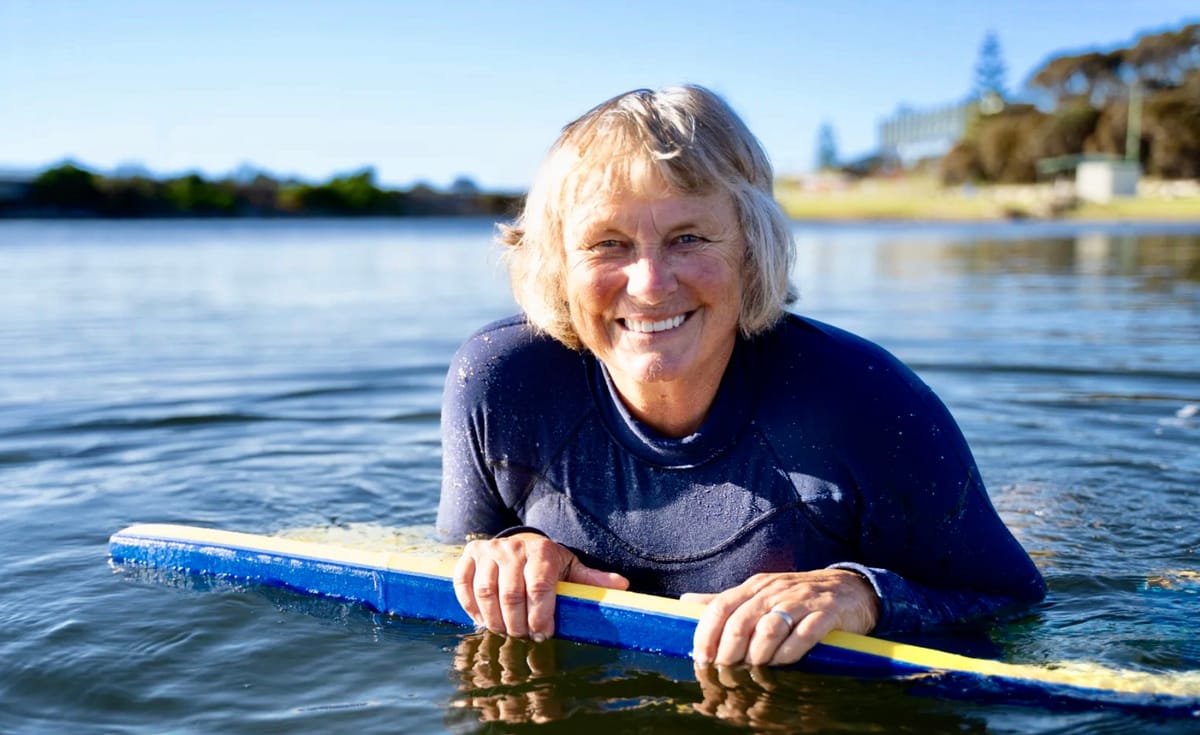
The voyage included the moment in early 1998 at the World Championships in Perth when she led organisers in a 'protest' in which yellow anti-doping t-shirts and balloons were worn and speeches given to call out the obvious cheating that China had brought to the sport as some kind of GDR Version 2 in the 1990s.
I recall standing next to a FINA official listening to Gould and hearing him say 'Who does she think she is? She has no platform here - it is our event!" I replied: "If Shane Gould has no platform at any swimming event in Australia, then we could turn the lights off and all go home...".
Today, we see World Aquatics making much of 'development centres' and much else. Such projects, regardless of their merits or the places where merit is or has been missing even when the money was being invested, they remind us that there's nothing under the sun...
Down the decades, Gould and those she works with have done much to spread the word of water safety and drowning prevention, at home and abroad and sometimes taking on authorities, perceptions of what it means to swim and urging much-needed upgrades to accepted 'norms' in the 'industry' of 'swimming lessons'.
It was a year ago when Gould and her husband Milt Nelms made headlines Down Under with a challenge to the practice of 'dunking' babies and other children in swimming classes to encourage them to hold their breath.
A quick note on Nelms: he's another candidate for honours much merited for his role as 'water whisperer' and creator of the Nelmsing approach to the art of fast swimming that helped the likes of butterfly Olympic champion and pioneer of race Dana Vollmer and many others down the decades. In the not-too-distant, we'll return to all of that and their work at the best festival of keen minds on the widest range of performance-related topics in the sport, the World Aquatics Development Conference (WADC, built long before the first two words were take to be the new name of old FINA, and not related to the international federation) with Thorbjörn Holmberg, director of swimming at Poseidon Swim Club in Lund, Sweden, and co-organiser of the WADC, Hilde Elise Hansen.
Back to 'dunking'. It often did more harm than good, said the champion, telling The Age that when people told her their story of swimming experience, "good or bad," a common thread was that some of them were traumatised at early swimming classes when their faces were submerged before they were ready.
Gould and Nelms were attending the World Conference on Drowning Prevention in Perth - and both said there was a gap in the way swimming was taught. Here's how The Age described it: 'The focus on submersion - breathing and bubble blowing - by instructors before someone learning to swim had come to understand their body's natural buoyancy - could cause fear. As a result, many swimmers hold their breath, causing carbon dioxide to build up, which Nelms said sapped swimmers of energy and caused panic.' Said Nelms:
"The higher the CO2 the more likely that the doom loop in your brain stem is saying don't exhale."
A report by Royal Life Saving - Australia found that 83 per cent of 12-year-olds could not tread water for two minutes, and 40 per cent were unable to swim 50 metres of freestyle or backstroke. A third were unable to swim 25 metres of survival strokes.
The conference heard from expert Torill Hindmarch, of the Norwegian Life Saving Society: while children in baby swimming classes had traditionally been submerged to initiate a breath-holding reflex, the practice resulted in a traumatic reaction in some children, one that might only surface years later when returning to swim lessons only to find the sight of the pool "terrified them".
Gould and Nelms developed a "five-minute swimming lesson", which provides the essentials of lifesaving and a little lesson in physics and understanding of the human body's buoyancy in water. It's a sort of mini-Nelmsing program and it encourages people to start moving through the water without being taught the four conventional strokes - freestyle, butterfly, breaststroke and backstroke.
My own boys, when very young, were among the beneficiaries of a wonderful day when Gould and Nelms came swimming with us.
Inspired by Nelms' fellow American swimming coach Bill Boomer, the lesson is designed as a way of "knowing and applying the essence of drowning prevention in a single, short teaching encounter".
Feel for water is a big part of it. When we see a Gould, a Woodhead, a Caulkins, Meagher, an Egerszegi, a Vollmer, a Walsh, a Phelps, a Peirsol, a Peaty, a Naber, Matthes, Wilkie, Spitz and many more from the club of great swimmers, we're watching speed that is not only relies on the consistent dedication, discipline and determination needed to be the best of pioneering class, but a keen awareness of what it feels like to move through water with efficiency holding hands with the thrill of deeper understanding of the energy, art and potential of swimming.
Gould's thirst for learning, meanwhile, has been a lesson for others in how wisdom can be transferred from one realm to another. Examples include her work with horses and observations of open water and the feel, flows, flora and fauna she's made herself a part of, Nelms working with the same 'nature's bible' when he takes world-class swimmers out of the confines and sometimes 'sterile' environment of a pool and guides them to open water and the heightened awareness of their element with no walls confining it.
The latest line in Gould's voyage in, on and in the water saw her return to the theme of athlete transition from elite sport to the rest of life. She's thought a lot about out, and in a year when World Aquatics held its first gathering of elite athletes to discuss the topic, with Australian 2020one Olympic champion Emma McKeon attending, Gould was ahead of the curve once more. She published this - a book that every athletes, coach and parent would surely find immensely useful: from a depth of experience:
 Craig Lord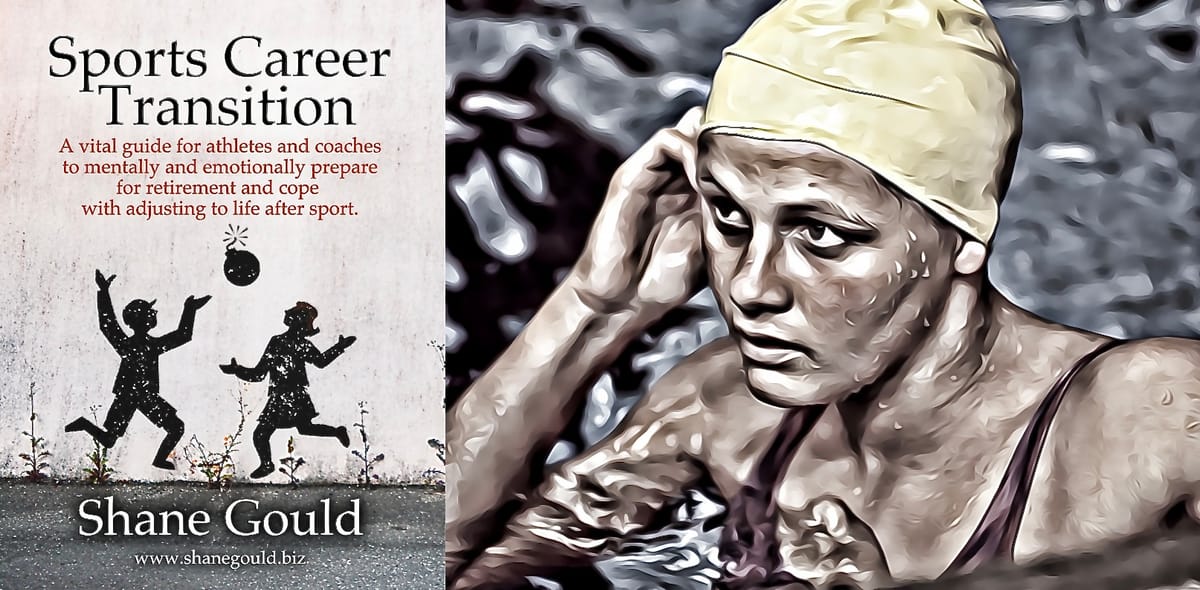
Gould's contribution has been immense.
We award the Carlile Cup - and will be doing so more than once in awards season as we build the SOS Hall of Fame - to those who fit the meaning of 'lifetime'. Gould has much more to go but her wisdom of almost seven decades, including the world she does with Nelms, is paid less attention by official swim organisations - national, Olympic and international - than it deserves.
Not here, as and when we can, so, plaudits to Dr. Shane Gould this day, who we recognise with out Carlile Cup, the eternal bond that ties those two names adding an edge of meaning:
The Coaches and where our Carlile Cup Comes From
 Craig Lord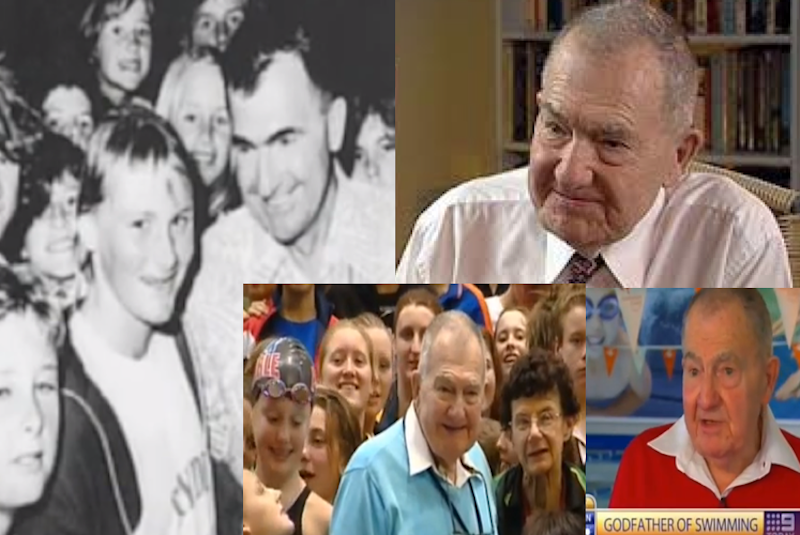
 Craig Lord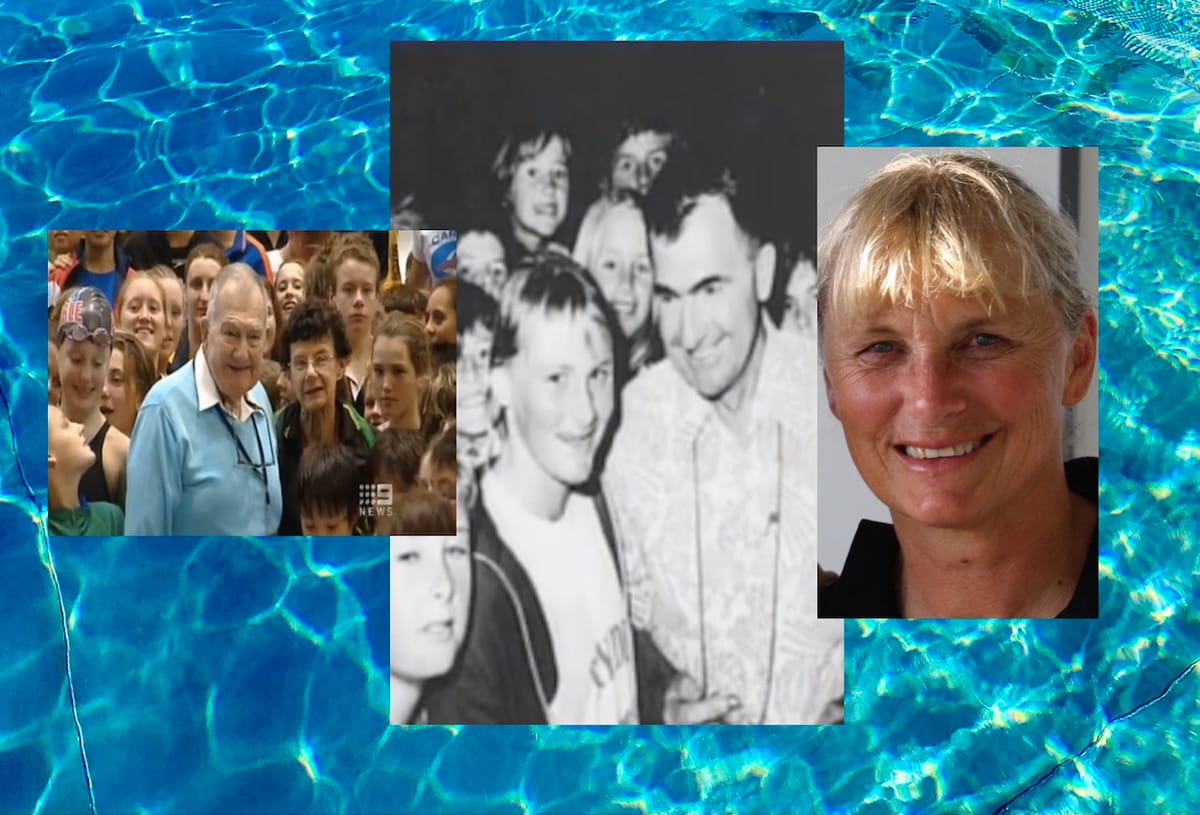
 Craig Lord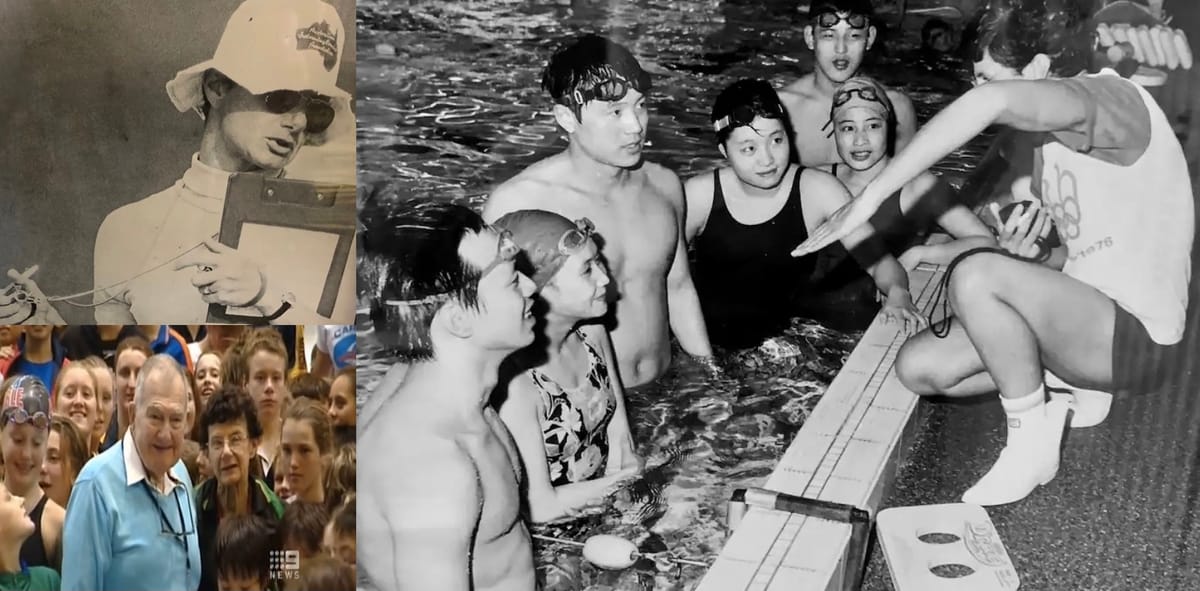
Formative Experience:
 Craig Lord