On This Day In History - When Rademacher Ruled The Waves
Timeline - The SOS Daily Trawl of official World long-course records (plus all pre 1954 standards, all pools and metrics) set this day throughout history.


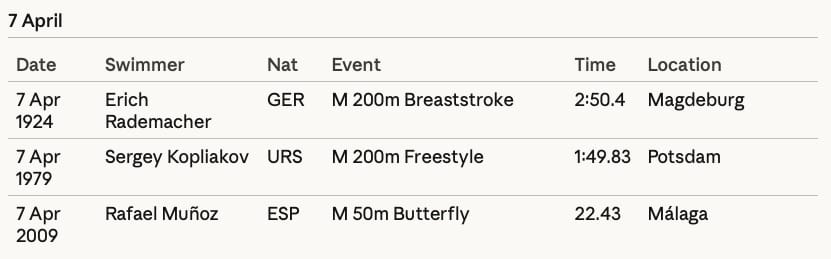
On this day in history, Eric Rademacher, of Germany, set the second of his three World records in the 200m breaststroke. His and two other World records set this day in history:
April 6
Pace-Setters From Muir, Salinikov & Kačiušytė
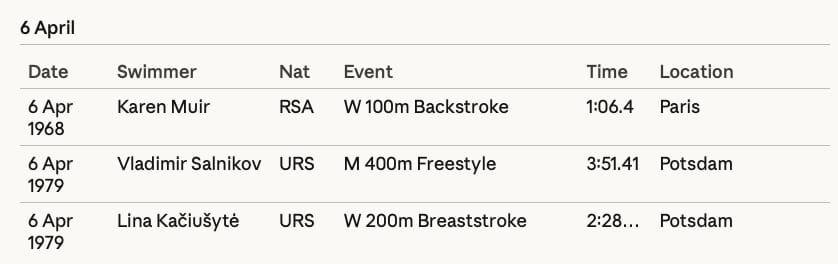
On April 6 in history, World records were set in the pool by Karen Muir, a South African denied a shot at Olympic gold by her country's apartheid regime and the ban it brought on, and two Soviet Olympic champions in waiting, Russian Vladimir Salnikov and Lithuanian Lina Kačiušytė:
 Craig Lord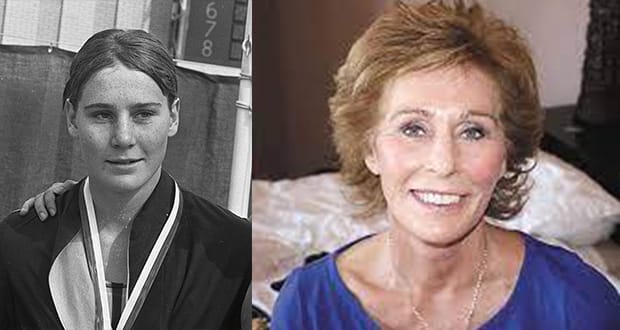
 Craig Lord
The Soviet Bull Run On Breaststroke
Between 1964 and 1980, Soviet women won 10 of the 18 Olympic medals on offer over 200m breaststroke. Galina Prozumenshikova was champion in 1964 and bronze medal winner in 1968 and 1972. Winner of silver medals in the 100m in 1968 and 1972, she was the first breaststroke specialist to reach the podium at three Games and remains the only one to have won five Olympic medals.
Breaker of five 200m world records, she inspired two Soviet Olympic podium sweeps: in 1976, Marina Koshevaia’s world record of 2:33.35 led Marina Yurchenya and Lyubov Rusanova, and four years on in Moscow 1980, Lithuanian Lina Kačiušytė (2:29.54, Olympic record) led Svetlana Varganova and Yulia Bogdanova.
The battle of 1980 began in 1978: in April, Bogdanova broke Koshevaia’s world record by 0.03sec, in 2:33.32; in August, Kachushite, 15, swam 2:33.11 in heats and 2:31.42 to claim the world title ahead of Bogdanova; on March 30, 1979, Varganova clocked 2:31.09; seven days later, on this day in history - April 7, 47 years ago, Kačiušytė settled the argument with a then-phenomenal 2:28.36, the first sub-2:30 in history and a mark that survived for six years and two months.
The mark was set at the USSR vs. DDR Dual Meet in Potsdam, and was finally broken by East Germany's Silke Hörner.
Lina Kačiušytė was born on January 1st 1963 in the Lithuanian capital Vilnius. She trained at the VSS Žalgiris club, where her first coach and the man who guided her early development between 1974 and 1977 was Arvydas Gražiūnas.
By 1976, when just 13, Kačiušytė was invited to train with the USSR's youth squad and at 14 made the national senior team. On her first major international outing, she claimed the Berlin 1978 World title. Victory unfolded ]via two world records, one in heats, the other for the crown, when she claimed the standard that had stood to home-team rival Bogdanova, the 1977 European champion, until the clocked stopped in the breaststroke battle of Berlin 1978.
Kačiušytė'a pantheon also included three Universiade honours: gold in the 200m breaststroke and bronzes in the 100m breaststroke and 4x100m medley with Soviet teammates at Bucharest 1981.
April 5
Perkins Takes The 1500 Pace Below 14:50
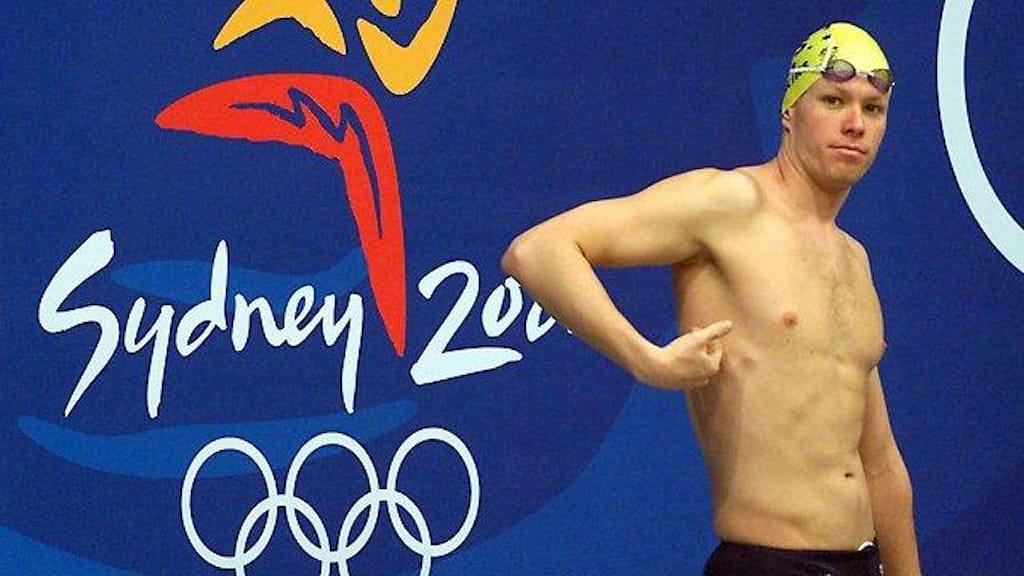
Aussie distance legend Kieren Perkins, whose full profile is in the pipeline as we build our SOS Hall of Fame, wrote his name in the record books as the first man ever to race inside 14:50 over 1500m freestyle.
His 14:48.40 was the first of three pioneering marks over 30 lengths and the only one established in domestic waters, at nationals 34 years ago in Canberra. Later that northern summer, he would claim Olympic gold in Barcelona with a stunning 14:43.48. It would be three years before he took down his own mark with a 14:41.66 for the Commonwealth title in Victoria, Canada. The latter prompted his coach John ("Mr.") Carew to ask his pupil "what d'ya go and do that for mate?". The World Championships were just round the bend in Rome: Perkins did not improve on his 1500m mark but he did win the World title, and added the 400m crown in his second World record of the season.
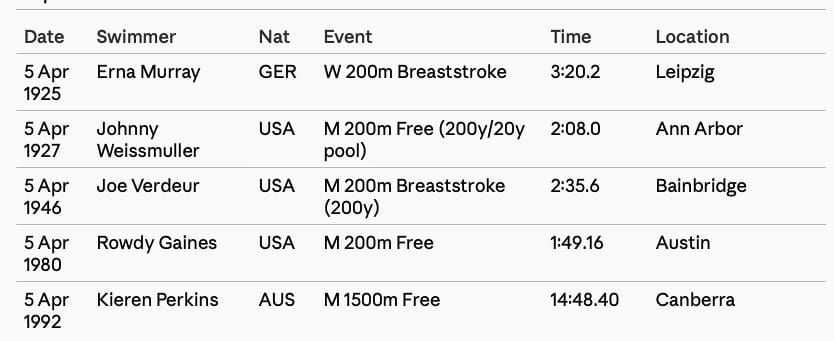
Perkins' mark this day in 1992 was one of five global standards set on April 7 in history:
 Craig Lord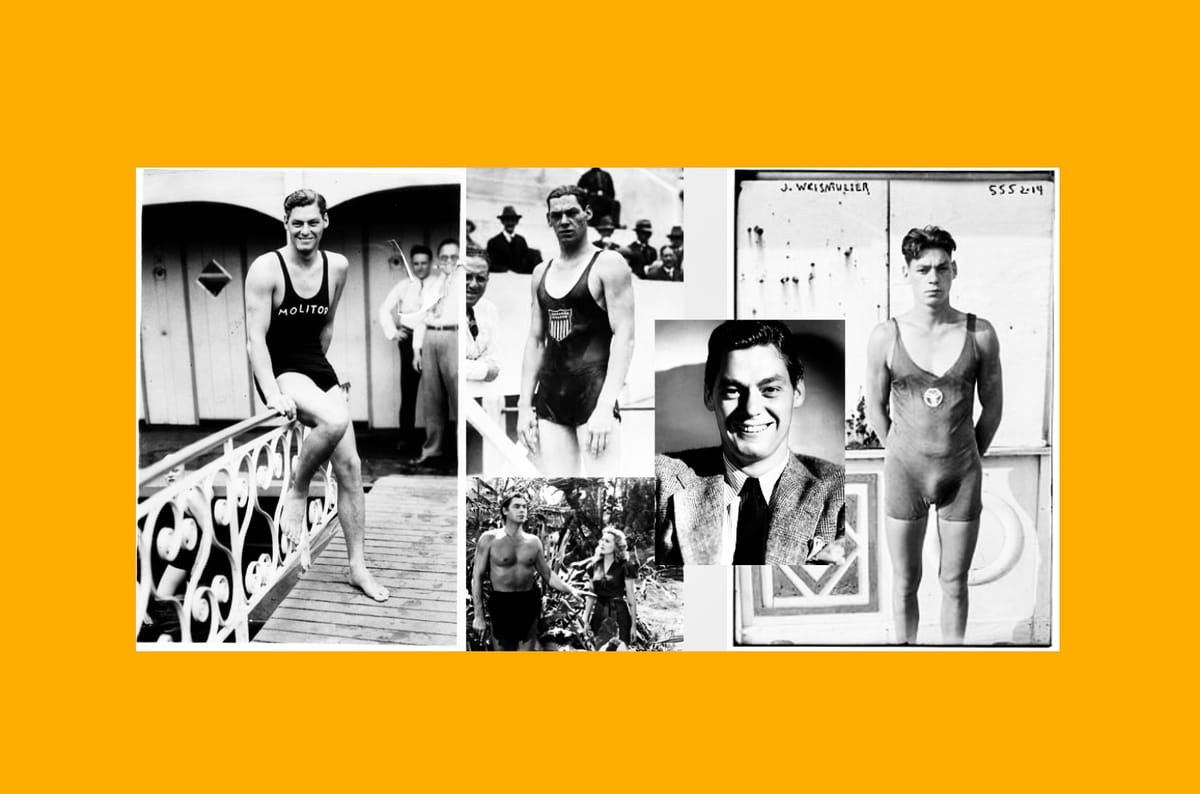
 Craig Lord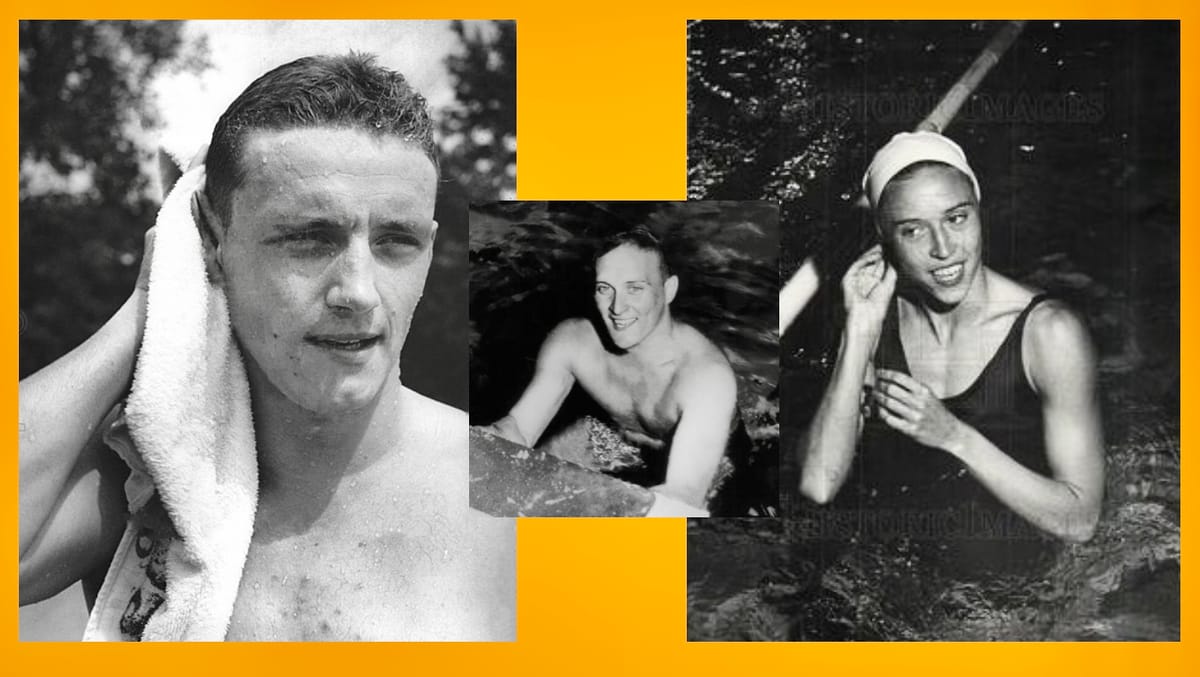
April 4
On this day in 1961, Australian Jan Andrew took down the World record in the 100m butterfly with a 1:08.9 in Tokyo.

Born on 25 November 1943 in Lindfield, New South Wales, Janice Andrew was six when she learned to swim at the Northbridge Baths. Before she was 10, she had won her first state title at North Sydney Pool.
A pupil at MLC School and later MLC School Commercial College, she grew to be Australia's premier butterfly swimmer of the late 1950s and early 1960s. At the Rome Olympics in 1960, she claimed bronze in the 100m butterfly behind American Carolyn Schuler and Dutch sprinter Marianne Heemskerk, and silver in the inaugural 4x100m medley relay with Aussie teammates Marilyn Wilson, Rosemary Lassig and Dawn Fraser behind Americans Lynn Burke
Patty Kempner, Schuler and Chris von Saltza
Andrew was in the spotlight before that relay made it to the blocks: Australian team officials had ordered Dawn Fraser to swim the butterfly leg in heats instead of Andrew, who had the solo final that same day. Fraser refused, and was reported to have hit Andrew with a pillow. It was only when Alva Colquhoun volunteered that the dispute was resolved.
Andrew, whose married name is Thornett, set a world record for the 100m butterfly at a Japan V Australia duel meet in Tokyo. Australian Open Swimming Champion in the 100 'fly in 1959 and 1961 and in the 200 'fly in 1960 and 1961, she retired from competitive swimming in 1962 when still 16.


