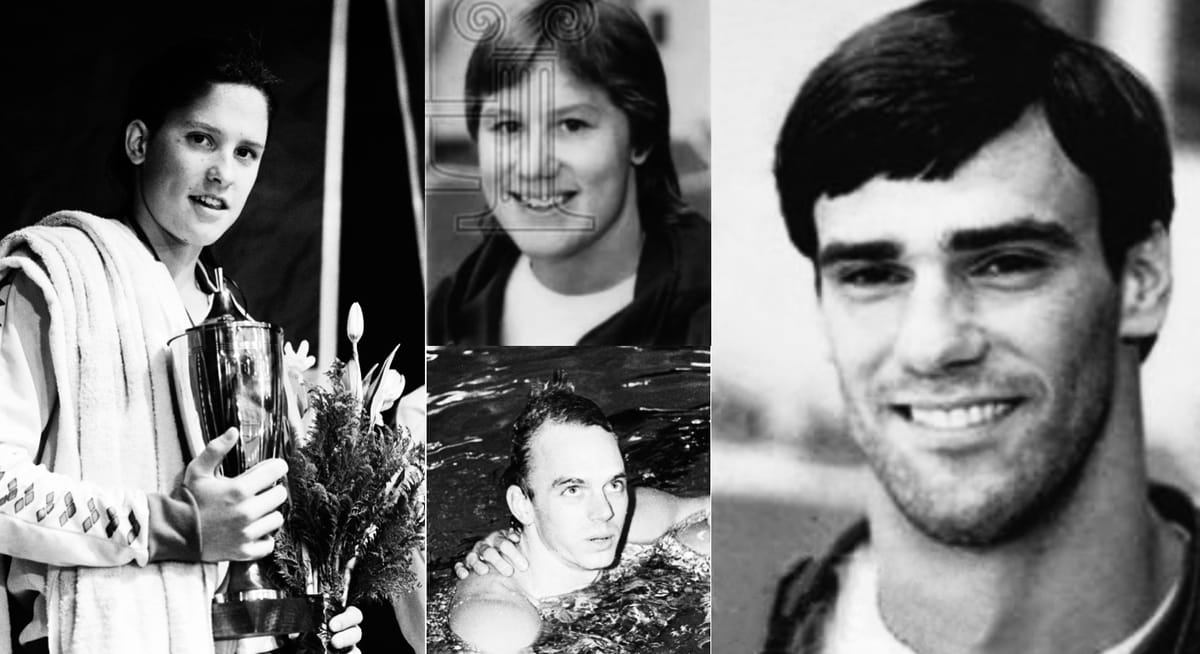
Nancy Garapick Passes At 64 Without The IOC Or World Aquatics Having Recognised Her Golden Career
RIP Nancy Garapick, first home with head held high in two Olympic finals at a home Olympics in 1976 ...

Nancy Garapick, the first clean swimmer home in the 100 and 200m backstroke at a home Games in Montreal 1976, has passed away at 64 years of age after battling illness. She died peacefully at home in Langley, British Columbia, on Easter Monday.
A Halifax native, Nancy set a world record as a 13-year-old over 200m backstroke this month 51 years ago (April 27, 1975) at the Eastern Canadian Swimming Championships in Brantford, Ontario.
She was coached by Nigel Kemp at the Halifax Trojan Aquatic Club. Her 1975 pioneering swim earned her the honour of being Canada's youngest-ever female athlete of the year, by then aged 14.
At the 1976 Olympic Games in Montreal, Nancy was awarded bronze medals in both the 100 and 200 backstroke. She later trained for a time under the guidance of Don Talbot at the Trojan squad at the University of Southern California in the era of Olympic champions-to-be Tracy Caulkins (USA), Michelle Ford (AUS), among others.
This year, we launched our SOS Hall of Fame, Nancy among those who were first to be added to our vault of legends, pioneers and those who graced international podiums, including those who should have graced the top of the podium.
Nancy's home-Olympics medals remain symbols and symptoms of the sporting crime of the 20th century: she finished behind two East Germans in both finals, behind two swimmers who had been fuelled with steroids from an early age to give them the huge advantage of a little of what boys get in nature at puberty.
The GDR era shames the Olympic Movement to this day: it was the biggest fraud in Olympic history and remains the official record of the Games and the sport of swimming.
In our Hall, Garapick is recognised as a two-time gold medallist at Montreal 1976, and we continue our call for the IOC, its latest president Kirsty Coventry, herself a two-time Olympic backstroke champion, and World Aquatics to recognise that honours were awarded to swimmers for a system and nation that wilfully broke doping rules and trashed any notion of integrity.
Sadly, our Hall is the only one in the world that recognises Garapick for the honour that she ought to have been able to have celebrated, on the day, and then, when the fraud was confirmed in 1990, ever since.
Nancy is now one of the many in the swimming community - athletes, parents, coaches and others - who have passed away without ever having celebrated the true status an athlete achieved in sport because cheating was allowed to prosper on IOC watch, an IOC-accredited laboratory at the very heart of a fraud confirmed more than three and a half decades ago, the IOC still in wilful denial about its responsibility to reach for a very long-overdue Truth, Recognition and Reconciliation process.
This FORUM is free to view in tribute to Nancy and others denied their true status in Olympic sport and FINA/World Aquatics recognition of their true status:
 Craig Lord
The dark chapter of swim history Nancy was a part of is related in the following books by her swimming peers Sharron Davies (GBR) and Michelle Ford (AUS):
 Author profile page
 Michelle Ford and Craig Lord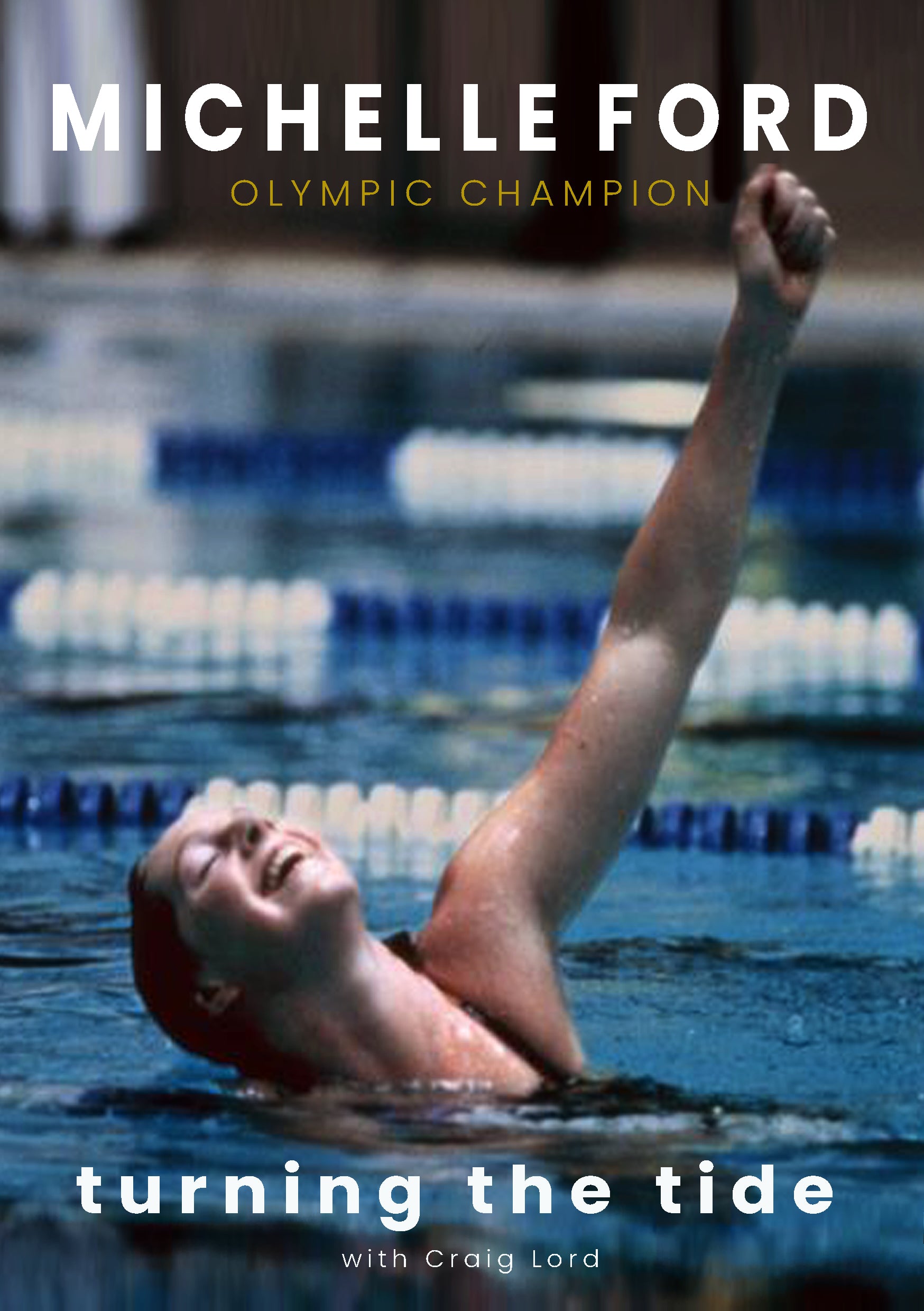
]
Garapick was inducted into the Canadian Olympic Hall of Fame, the Nova Scotia Sports Hall of Fame and in 2008 became a member of the Canadian Sports Hall of Fame.
Here's a gallery of snaps courtesy of the Nova Scotia Sports Hall of Fame:
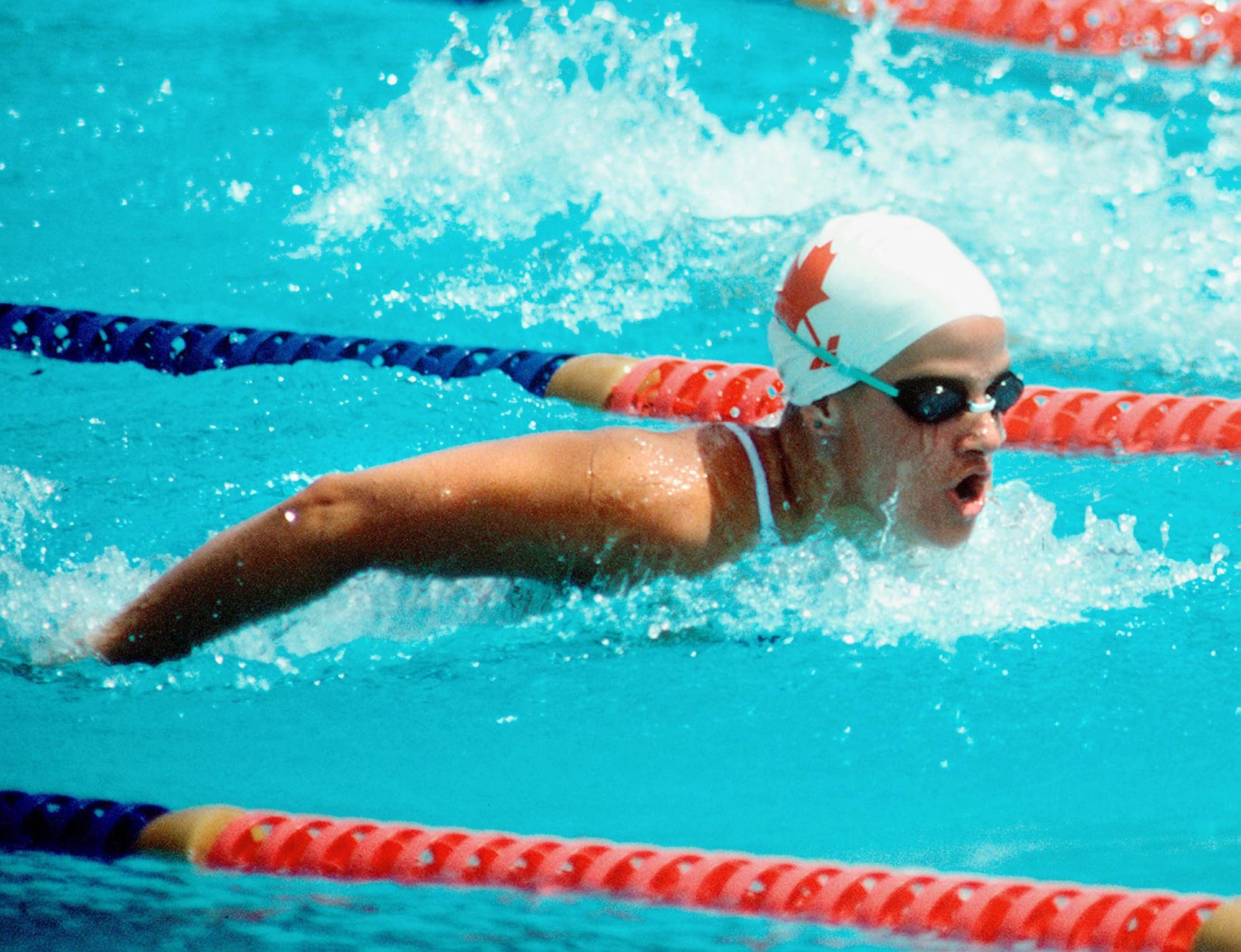
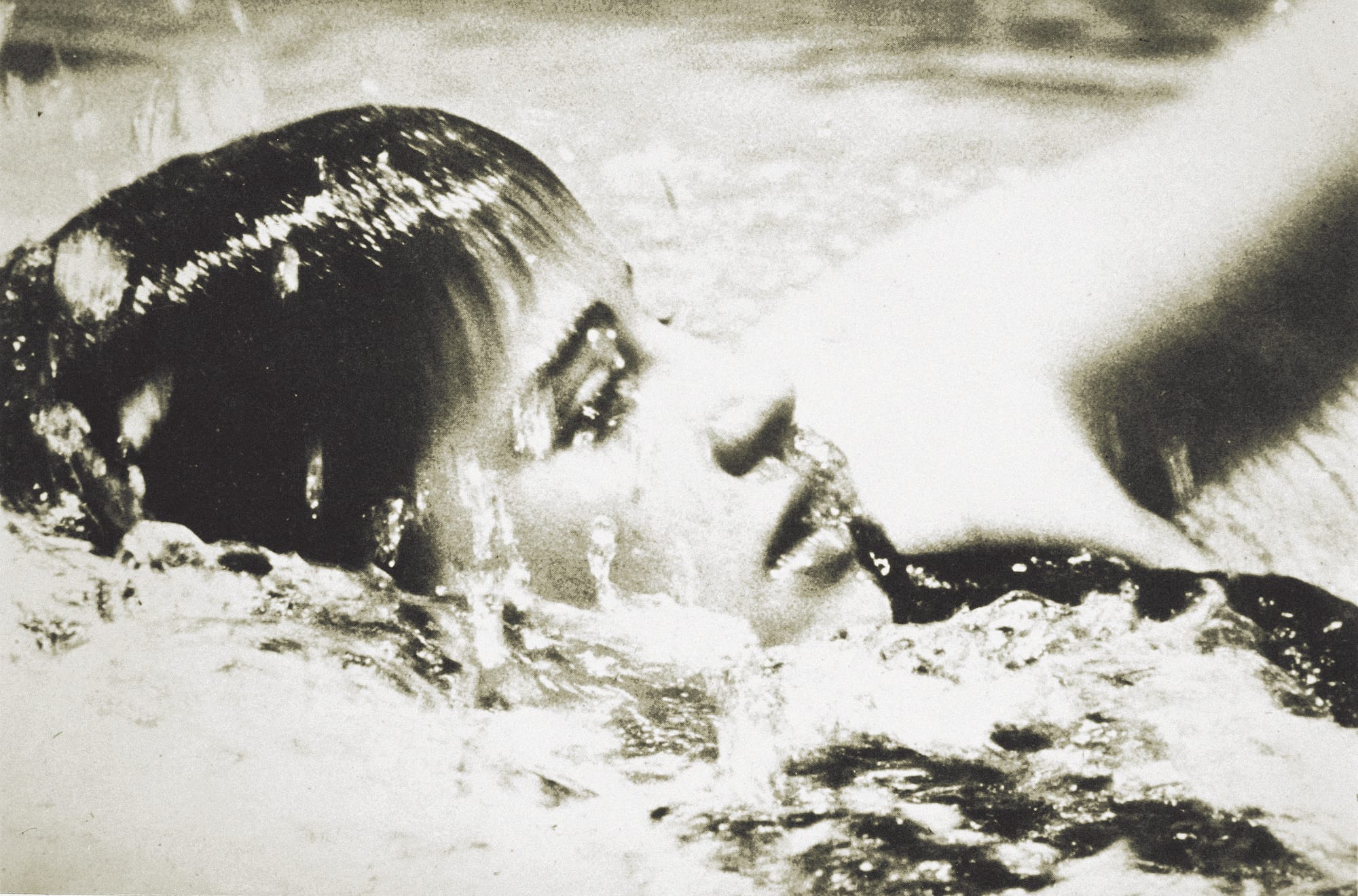
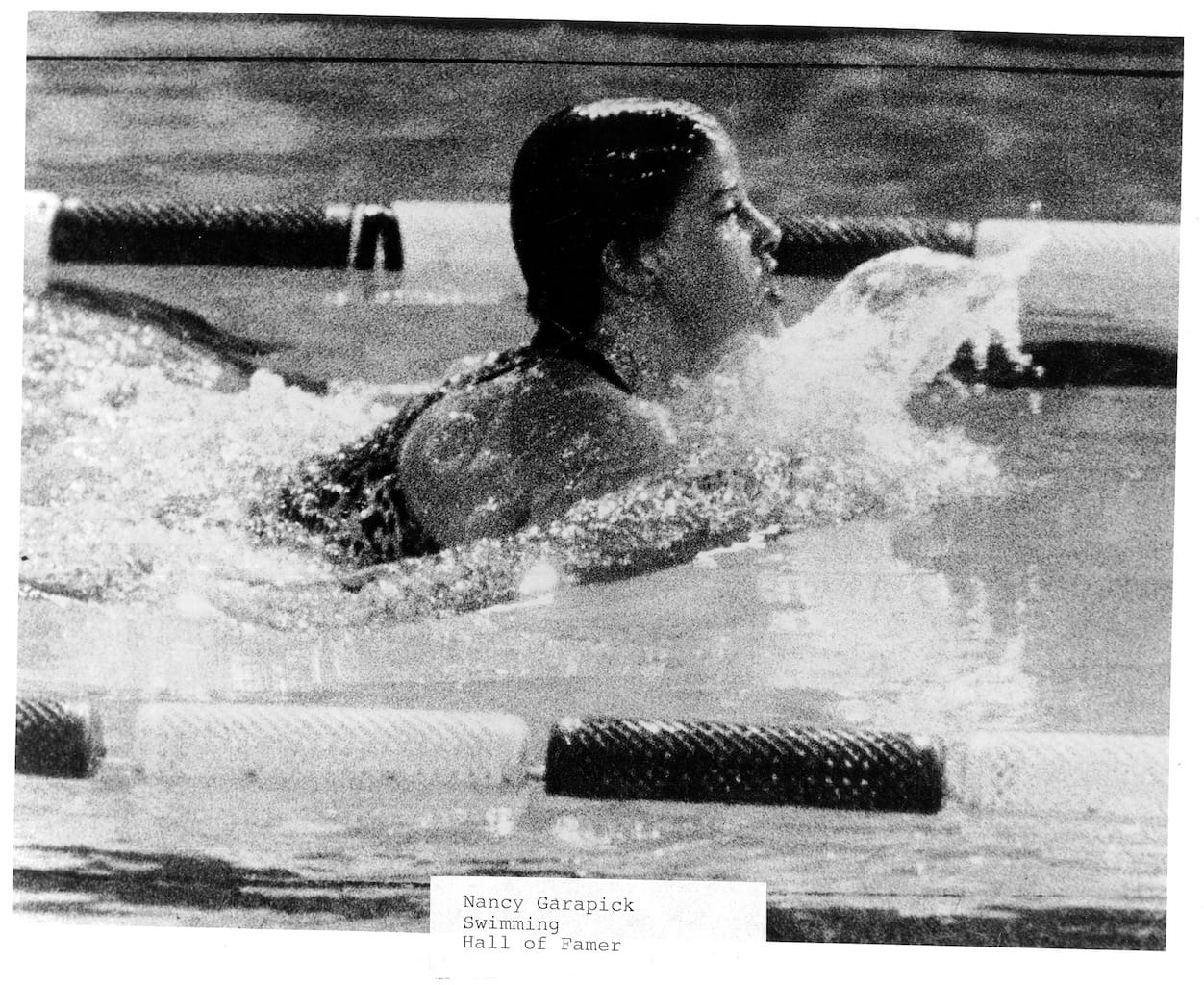
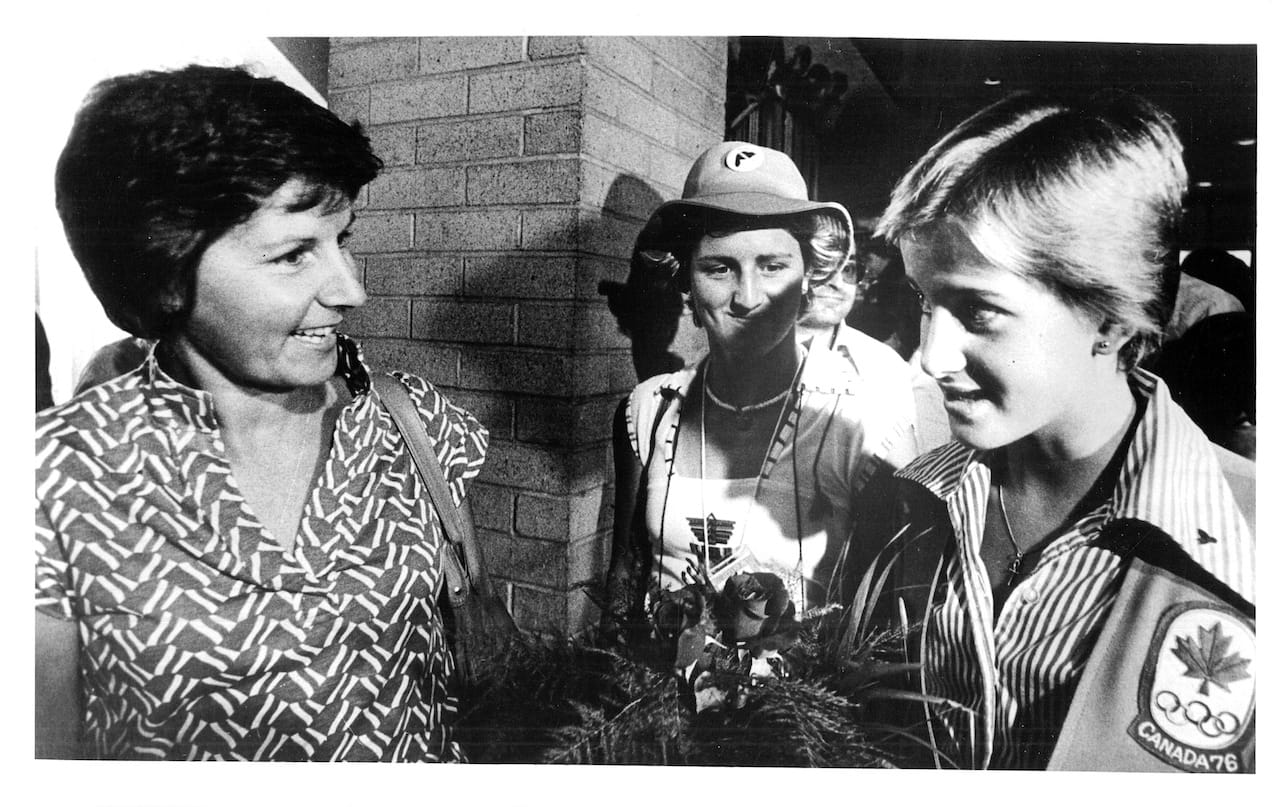
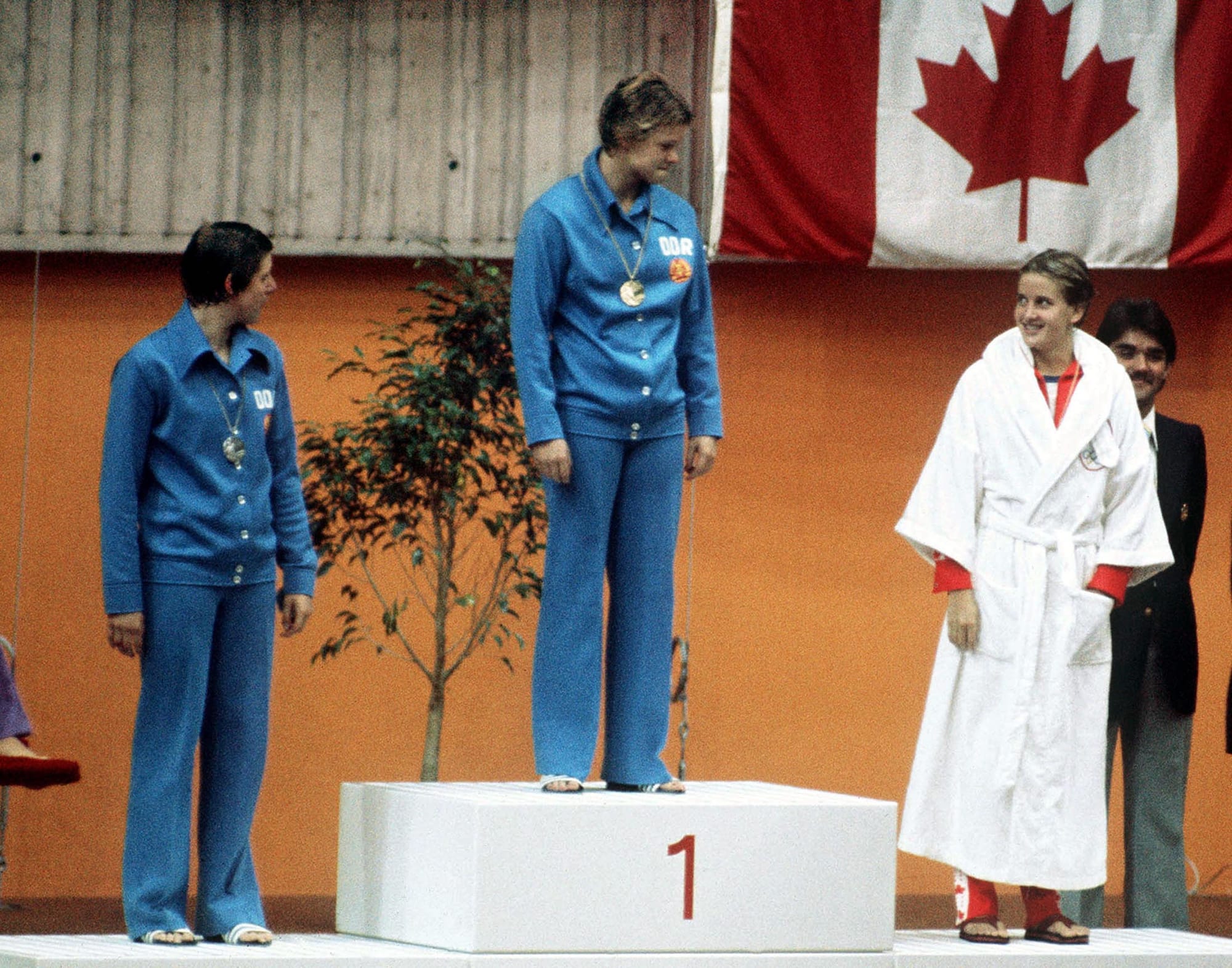
The GDR fraud has often been mentioned by Canadian media, and forms a part of coverage of Nancy 's death:

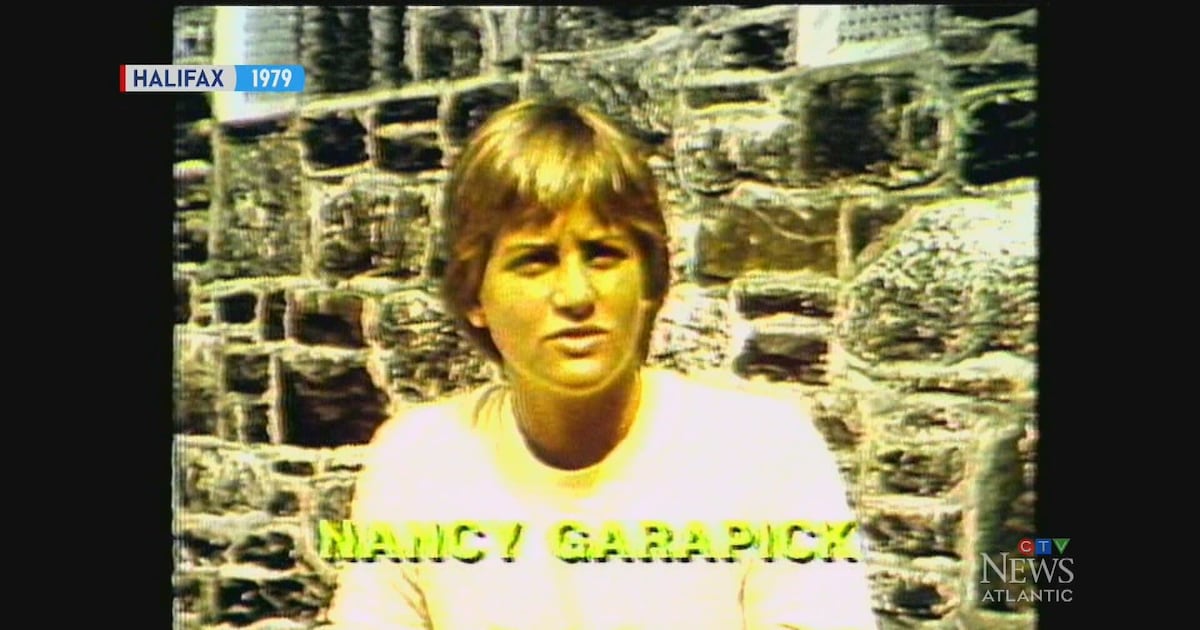
Even so, Nancy was never recognised, nor afforded a number of opportunities in life, that a swimmer of her calibre and achievement might have expected to have experienced had they been able to be introduced wherever they went as 'double Olympic champion'. It takes little effort to appreciate the potential inspiration - and the fact that all of that and more was lost - and in Nancy's case, now lost forever in terms of her being recognised in her living days.
The big lie was an East German official state secret. It was fiercely protected. In 2009, The Canadian Press explained just how dark the deceit was even during the Games in Montreal. It reported the following research of Prof. Gary Bruce:
After injecting athletes with performance-boosting drugs at the Montreal Olympics, East German officials dumped the leftover serum and syringes in the St. Lawrence River, newly uncovered documents indicate.
A chance discovery in the Berlin archives of the notorious Stasi, the East German secret police, led University of Waterloo history professor Gary Bruce to a 95-page file on the spy service's operations at the Montreal Games.
A Stasi officer's final report on the Games contains a none-too-subtle reference to the drug program under the subheading, "Destruction of the Rest of the Special Medicine."
About 10 suitcases of medical packaging, needles, tubular instruments, etc. were sunk in the St. Lawrence River.
Bruce explained:
The documents make it clear that Stasi chief Erich Mielke saw the Games as a means to improve East Germany's standing in the world by ensuring all went well on the athletic field and that nothing went wrong away from it. He put the fabled Markus Wolf, head of the Stasi's foreign espionage wing, in charge of Operation Finale, a tightly controlled effort to monitor East German athletes in the years leading up to the '76 Olympics as well as during the 16-day sporting festival… Officers from the Stasi and other East Bloc security services met at KGB headquarters in Moscow before the Games to coordinate efforts.
Both Ulrike Richter, who was awarded gold, and Birgit Treiber, silver, in both finals, were coached at one of five key centres that produced the vast bulk of all GDR swimming medals from 1973 to 1989. They trained at SC Einheit Dresden under the guidance of Uwe Neumann, who passed away on January 27 last year.
His training group was part of the state-sponsored doping program in East German competitive sports. He was fined 8,000 marks by the Dresden District Court for administering doping to nine athletes without their knowledge between 1973 and 1989. From 1974 to 1989, Neumann was listed as an unofficial collaborator of the Ministry for State Security (Stasi) under the code name Holbert.
The German criminal police investigated Neumann in 1996, and in 1997 he was dismissed by the DSV (German swimming federation) because of his Stasi activities, which included his role in the doping program. His lawsuit against his dismissal was unsuccessful. His coaching peer Volker Frischke was also dismissed. In 1999, he was fined for nine counts of intentional bodily harm through doping of minors. Neumann is said to have confessed during questioning. From 2009 onwards, Neumann could still be found training swimmers in Dresden.
Our call to Kirsty is simple: never too late ... reach for Truth, Recognition and Reconciliation, and make the Olympic "Take The Podium" scheme meaningful by ending the nonsense of any mention of 'statute of limitation' in a situation in which there is no state to sue, no athlete who would wish to sue, no demands for medals to be stripped from athletes who were largely children at the time they were doped; and only a call for the victims of those who were victims themselves to all have their circumstances and achievements in those circumstances recognised in the context of the truth, and nothing but.
Swimming Canada issued a tribute to Nancy when it marked her passing this week:
Swimming Canada extends our heartfelt condolences to the loved ones of Nancy Garapick, who died peacefully at home in Langley, B.C. on Monday, April 6, 2026.
Nancy Ellen Garapick (born September 24, 1961), Nova Scotia’s greatest swimmer, was named Canada’s youngest ever Female Athlete of the Year at age 14 in 1975. She established a world record at 13 years old in the 200-metre backstroke on April 27, 1975 at the Eastern Canadian Swimming Championships in Brantford, Ont., while a member of the Halifax Trojan Aquatic Club.
That same year she won the 200-yard backstroke at the US National AAU Championships and silver and bronze in the 100-m and 200-m backstroke at the second World Aquatics Championships in Cali, Colombia. At the Montreal 1976 Olympic Games she was a double bronze medallist in the 100-m and 200-m backstroke.
In 1977 Nancy won the 200-y and 400-y individual medley at the US AAU National Short Course Championships.
At the 1977 Canadian Short Course Championships in Edmonton she set world best times in both the 200-m and 400-m IM. In her career she won 17 Canadian national titles and 38 championship medals.
By 12 years of age she had set 12 national age group records and in 1973 she was the youngest participant in the second Canada Summer Games in New Westminster.
Swimming for the University of California in 1981 Garapick won the AIAW (Association of Intercollegiate Athletics for Women) 200y IM and in 1982, representing Dalhousie University, was a five-time gold medallist at the Canadian Interuniversity Swimming Championships in Sherbrooke, Que.
She has been inducted into the Canadian Olympic Hall of Fame, the Nova Scotia Sports Hall of Fame and in 2008 became a member of the Canadian Sports Hall of Fame.
In 1982 she graduated from Dalhousie University with a Bachelor of Arts Degree and in 1983 from Mount Saint Vincent University with a Bachelor of Education Degree.
Nancy wished to send her very best wishes to everyone in Canada’s swimming community, and to her lifelong Halifax Trojan Aquatic Club swimming family she sends all her love.
We will relate Nancy's fuller story in our Timeline and Hall of Fame profile later this month on the 27th on the 51st anniversary of her World record when just 13.
RIP Nancy Garapick, first home with head held high in two Olympic finals at a home Olympics in 1976.
 Craig Lord