
'In My Father’s Lane - Chasing 2:15' - Why Adam Wilkie Is Aiming To Swim As Fast As Dad David Did For Gold
As part of the grieving process to remember his dad David Wilkie, Adam, 33, has left his day job to take on the challenge of matching the Scotsman's iconic world-record 200m breaststroke victory for Britain at the 1976 Olympics

The son of Olympic swimming champion and legend David Wilkie has quit his job to embark on a year-long challenge to match the iconic, world record-breaking 200m breaststroke that delivered gold for Great Britain in Montreal 50 years ago this July.
Adam Wilkie’s odyssey wells from the depths of grief over the loss of his father from cancer in May two years ago:
 Craig Lord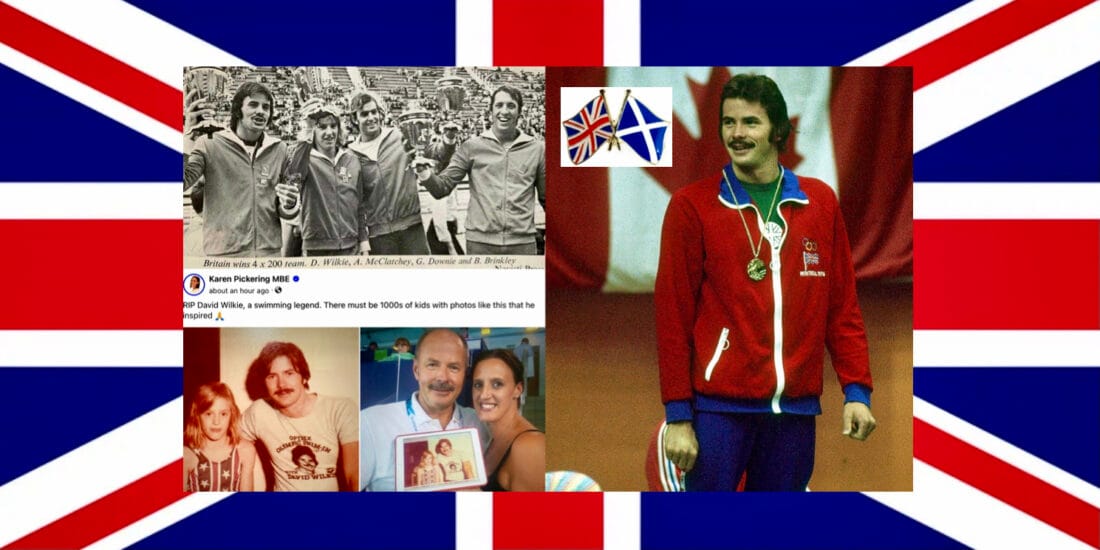
 Craig Lord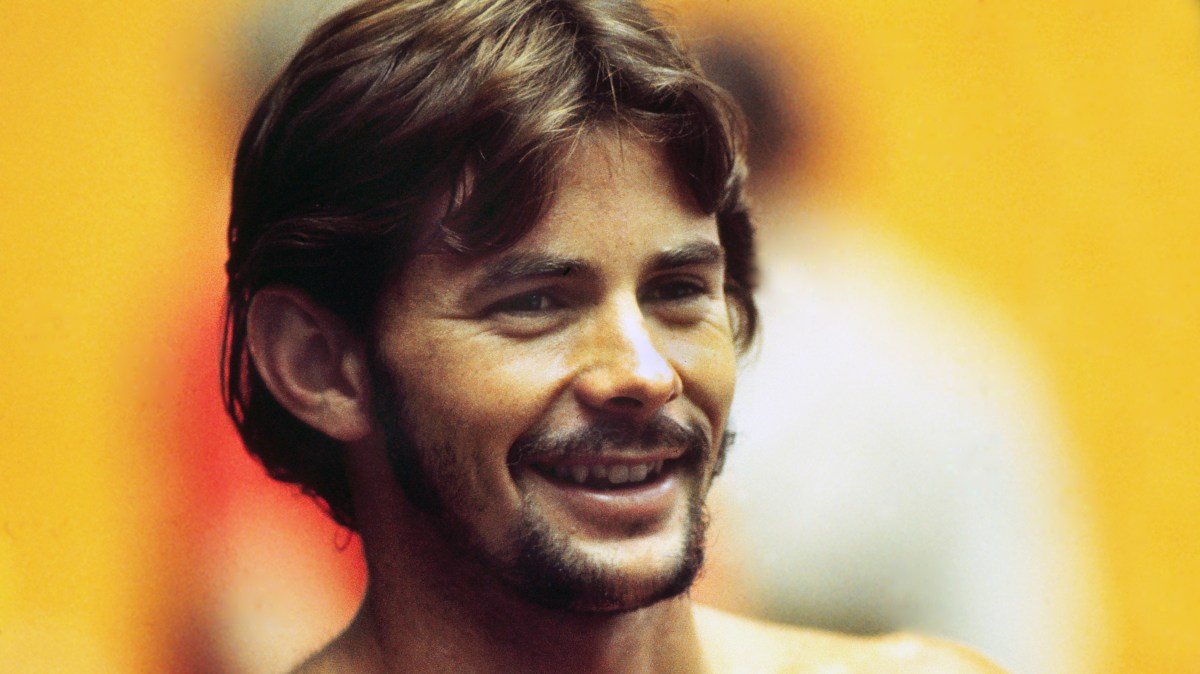
Half a century after the Scotsman’s 2mins 15.11sec victory at the Montreal 1976 Olympics, the legend’s 33-year-old son will plunge into a mission next Monday in London. It’s called...
“In My Father’s Lane - Chasing 2:15”...
My feature in The Times:
Craig Lord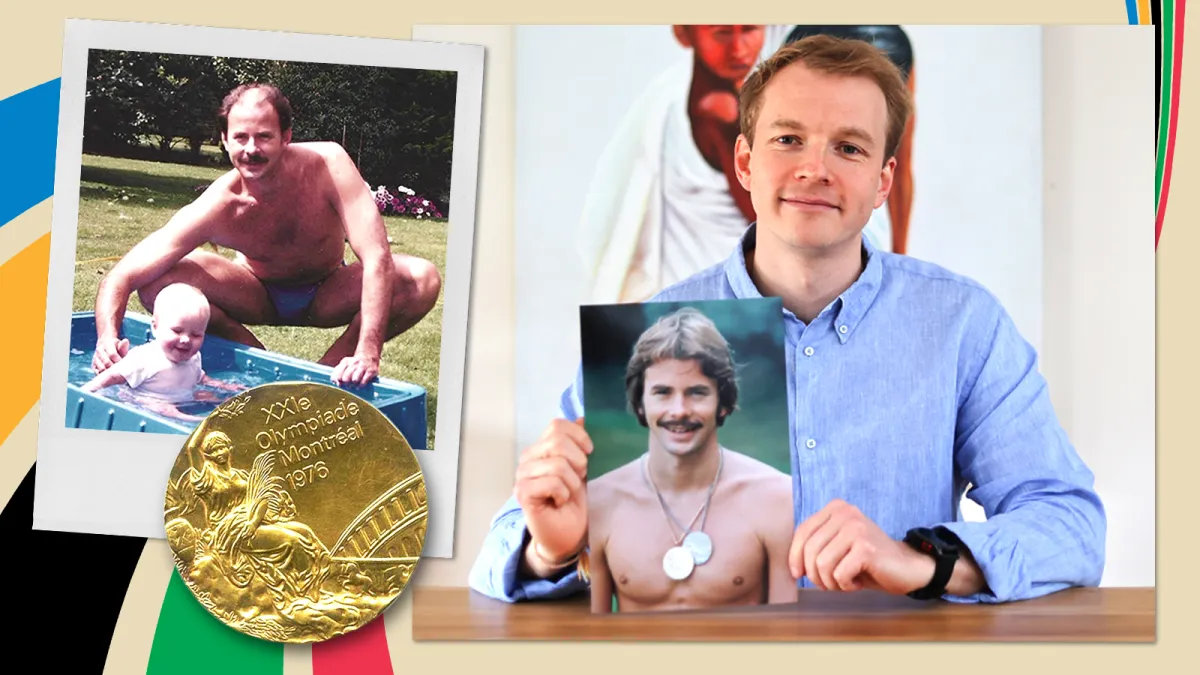
Where to follow Adam's Odyssey:
At his website:

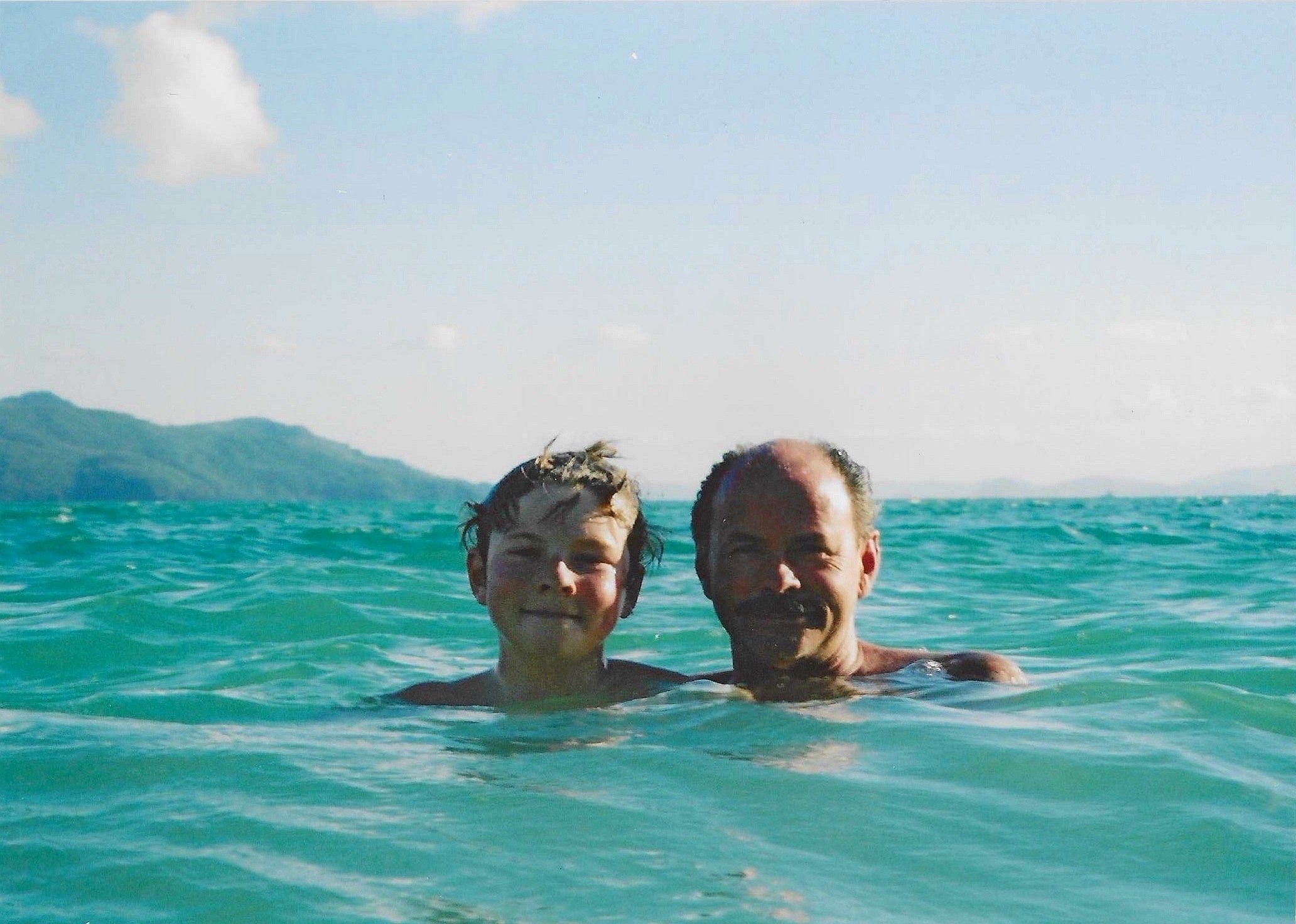
Follow and Donate via his Instagram page:


And The JUST GIVING campaign page where you can contribute
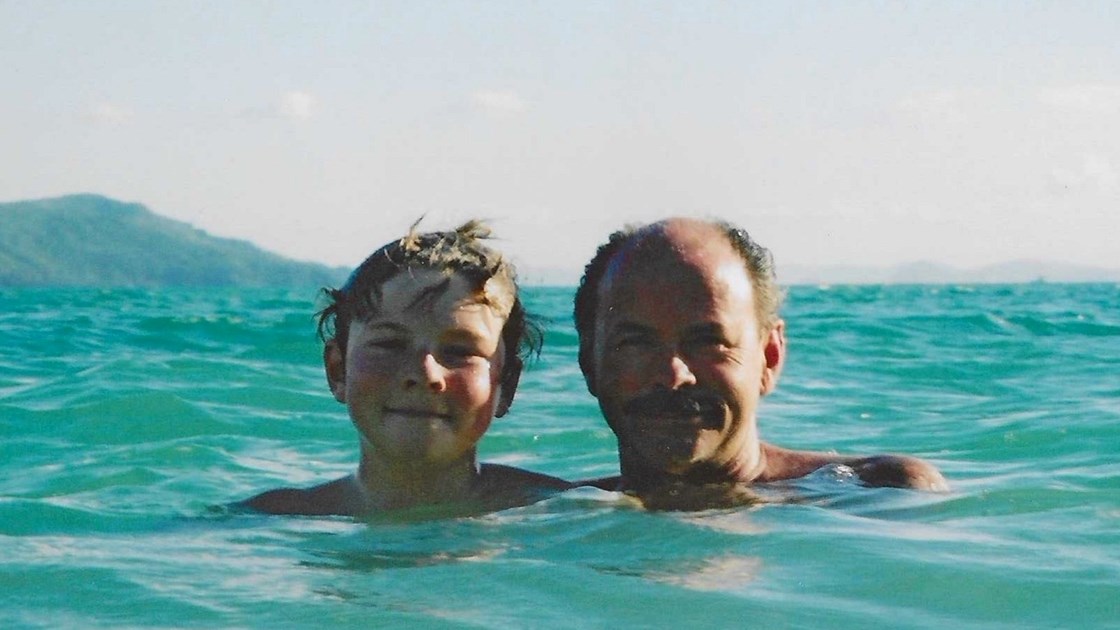
Adam, who has parked his job as a senior global brand manager for skincare company Bulldog, has two targets. The first is to get as close as he can to that 2:15 in a bid to raise £215,000 for the SportsAid charity that supported Wilkie as its first-ever award recipient in 1976.
The second is to help a son come to terms with the loss of his father, and learn more about that part of David Wilkie’s life that unfolded “long before I was even thought of”, as Adam puts it.
You might imagine that being Adam Wilkie puts a 2mins 15.11sec swim over four lengths of an Olympic pool well within his grasp half a century after Wilkie’s Olympic swan song at just 22 years of age, two decades before his son was born. At 33, Adam is a perfect fit for an era in which the thirty-something Olympic champion is becoming ever more common.
There are, however, two swimming Everests and a wedding on the way to Adam’s peak performance in the year ahead.
The Evergreen Resilience Of Wilkie's 2:15.11
David Wilkie’s greatness in 1976 is enduring: his 2:15.11, which sparked a tradition of British Olympic medals on breaststroke, broke the global standard by 3.10sec. That remains the biggest-ever leap on the clock in pursuit of Olympic gold in that event.
The 1976 winning pace was good enough to have made the podium at the next three Olympics, and all finals for the next 20 years. It would also still have placed him 6th at the British Championships just a year ago:
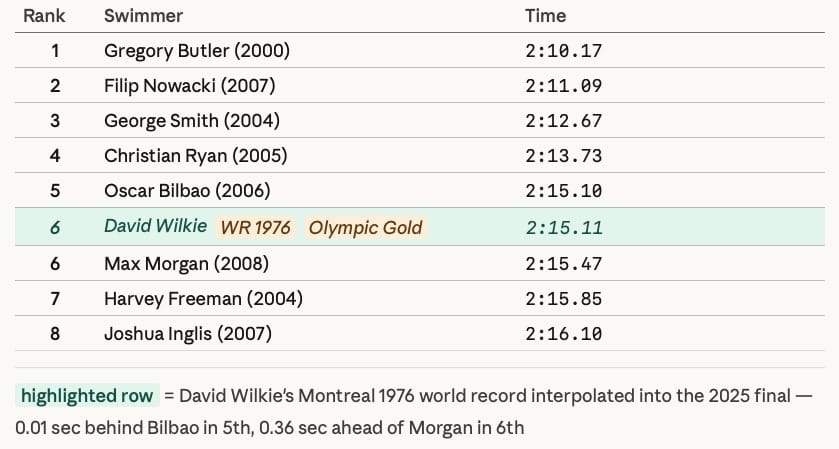
The time would also make most other national finals around the world, too.
At the same British event at the London Aquatics Centre this Saturday, time will stop as the finalists for the 200m breaststroke prepare to race, and the spirit of David Wilkie is honoured with the launch of Adam’s mission in partnership with SportsAid and Aquatics GB.
Every contender in the final will know just what it takes to get down to a 2:15, even with years of daily training in the blood. The last time Adam was a contender in a swimming race, he was at primary school, and he’s never trained in the pool professionally in his life.
And there's more: Adam, from West London, tells The Times and SOS of something from his childhood that he shares with another Adam and man famous for his speed on Wilkie’s stroke in the pool: Peaty.
“When I was little, I was scared of water. My dad was this incredible Olympian, and I wouldn’t even go near the deep end. I obviously got over it and swam a bit at school, but never seriously.”
Which explains why there was a long silence on the line when Adam called Duncan Goodhew, a friend and one of David Wilkie’s 1976 Olympic teammates, to reveal his 2:15 plan. After catching his breath and before wholehearted encouragement, the 1980 100m breaststroke champion, who was never as fast as Wilkie over 200m, said: “Well, it's gonna hurt …”.
Emotionally, Wilkie junior already knew the feeling and had found solace in his father’s element. He said:
“I’m not a bad swimmer but I've done a lot of swimming since I lost my dad just because it felt like a natural way to get close to him. I found that in the stillness of the water. You can think in a calm way when you're swimming and it gives you that kind of peace and place to grieve in quietness.”
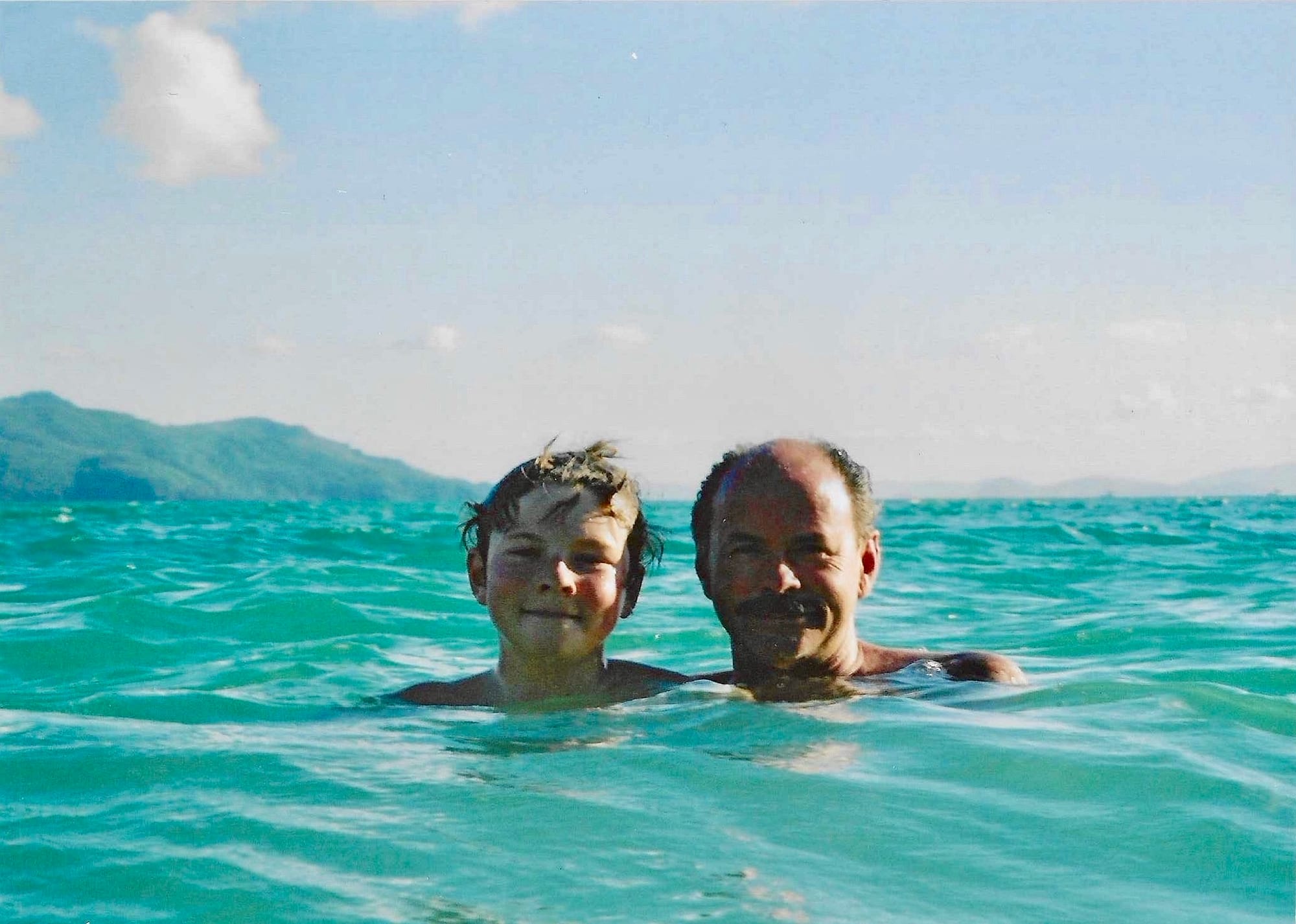
When he told his family of the plan, including his aunt and David’s sister Caroline, his sibling Natasha, and his fiancée Becky, “thought I’d gone mad”, he noted with a bubble of laughter that evoked memories of his father.
Support was just as instant. Adam’s Swedish mother, Helen Isacson Wilkie, interior designer, business partner to David in a health supplements business, and the swim ace's wife for 37 years until his death, led the cheerleading.
The plan, she said, was “Perfect! I can't think of a better way to honour your dad”. It would also help their son come to terms with saturating grief. The support has been "wonderful and deeply encouraging", says Adam.
He then tells me how it all came about:
“When dad died, I felt a deep need to honour him in some way. I was speaking to SportsAid and we were wondering if there is an award we can start in his name but, not wanting it to sound ridiculous, it didn't feel big enough to honour what he had achieved. As his son, I felt I needed to do something that was tangible and felt big, meaningful. That’s how this idea started.
“I went away and I was doing lots of swimming and I also through my professional work, we’d just started sponsoring Ironman. I went to one of their events. I was watching these semi -professional athletes putting it all on the line. It made me think of my dad … and what I could do in swimming to honour him. I wanted his legacy to be forward-looking, and as you know Craig, and my dad felt very strongly about getting kids into swimming and getting the best out of themselves through it.”
The 2:15 plan was born.
Tim Lawler, SportsAid’s chief executive, said: "During SportsAid's 50th anniversary year, we could not have hoped for a more relevant, emotive and inspirational personal challenge than Adam's final conversation with his dad and his sporting legacy."
Peaty, racing in the lane and pool where he set his first World record back in 2015 as the first man to break 58secs, led from gun to gold.
And So It Begins - With Great Guidance
It starts on Monday with elite mentor Lisa Bates, voted coach of the year by British peers in 2025, at the Westminster and Chelsea Club in London not far from his home:
Craig Lord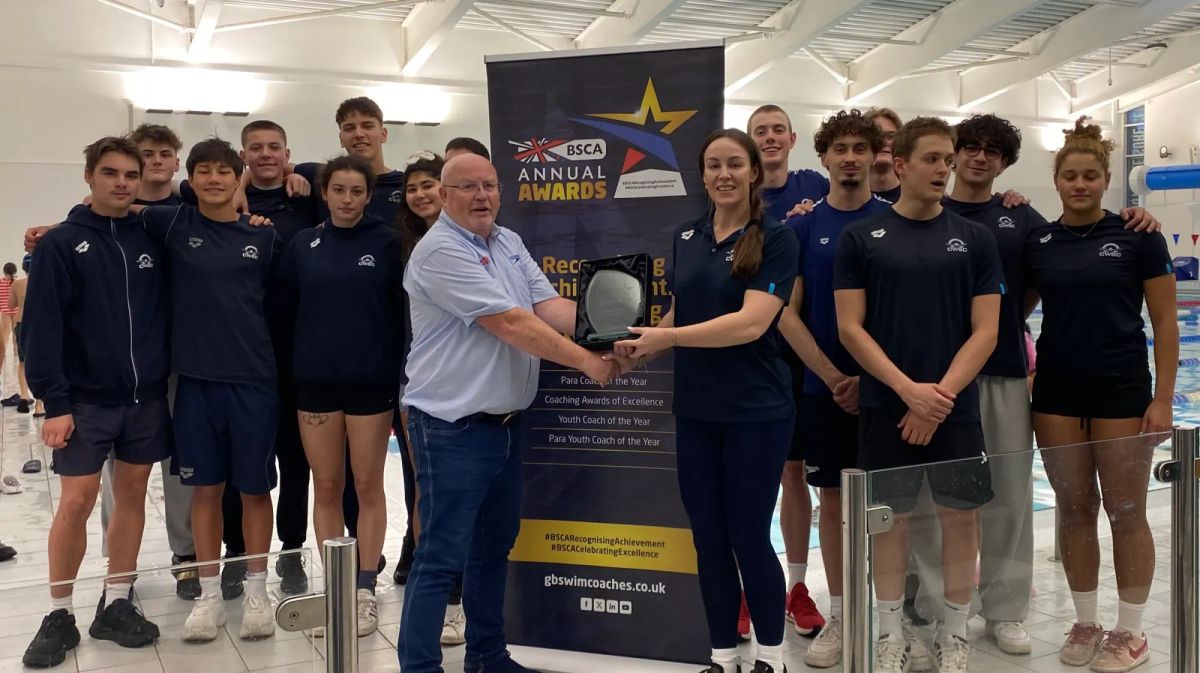
“I think I’ll be swimming a 200m breaststroke soon so that we can set a benchmark for where I am,” says Adam, who will have no shortage of training tips pouring in.
After he called one of his father’s old Olympic teammates, Barry Prime, who has worked in the Australian program for the past two decades, he soon found himself flooded with “the rules of breaststroke … documents on how to swim it … breakdowns of the current Pros, videos and an offer to jump on calls whenever and whatever I need”.
The History Adam's Chasing:
Grief has already sparked a specific type of wanderlust in Adam Wilkie. January brought a pilgrimage to Sri Lanka, his father’s birth place, where the family scattered the swimmer's ashes in “a place he really loved”.
There’ve been trips to Wilkie’s ancestral home in Scotland, namely Aviemore and Aberdeen in Grampian, where he was schooled and swam as a boy at Bon Accord Baths, and Edinburgh, where he was a member of the renowned Warrender Baths Club.
There are other places his son may one day gravitate towards. In his final years leading up to Montreal 1976 gold in the 200m and silver in the 100m, Wilkie, who also won three World titles and two bronzes at the first two global championships ever held, trained and studied in Florida at the University of Miami.
Adam hopes to be able to make it to Montreal and swim in the centre-lane 4 at the Olympic pool in which Wilkie raced to fame, but much will depend one budgets. If he makes it...
Here’s the hallowed swimming hall and golden moment he would relive:
Having qualified fastest for the showdown in an Olympic record of 2:18.29, just 0.08sec shy of defending champion John Hencken’s Wold record, Wilkie shadowed the American favourite in lane 3 to the half-way mark, turning a shoulder shy of the pace-setter.
Half-way down the third of four lengths, Wilkie drew level and started to pull ahead. At the turn for home, Wilkie had a one-stroke lead over the man who had beaten him into silver four years before at Munich 1972.
Britain’s belief flipped to great expectation out of the turn as Wilkie surged ahead down the last length, BBC commentator Alan Weeks screamed:
“David Wilkie is absolutely superb … look at him go! Britain is going to win its first gold medal in swimming since 1960 … and, it’s Wilkie.”
The clock stopped to a sharp intake of breath before the roar, as the champion and crowd soaked up the magnitude of Wilkie’s 2:15.11.
Among those cheering back home in Britain in the middle of the night was 12-year-old Adrian Moorhouse, watching a life-changing moment on the black-and-white telly in his bedroom. Twelve years later, he would win his own Olympic gold, in the 100m breaststroke, at Seoul 1988. Later, he said Wilkie’s iconic win had fuelled his ambition:
"It was the first time that dream came into my life; that I could possibly do what Wilkie does. It really attached itself to me. I thought a lot about it. That magnificent swim became kind of a guiding light for me to win the Olympics, as he had done.”
Moorhouse met his hero a year later at a “David Wilkie Swim Camp”, and watched the film of the race with the champion sitting alongside him.
“It became a bit more real. Of all defining swimming moments, that was the one for me.”
Wilkie’s swim stands out in Olympic history in a number of ways. His victory blocked the USA men's team from winning all 14 gold medals up for grabs in the pool in Montreal, where 13 of those finals were won in World-record times, none as thundering as Wilkie’s 3.10sec gain. His triumph marked the first Olympic gold in the pool for a British man since Henry Taylor claimed three crowns as the home hero of London 1908.
By the time he retired later in 1976, aged just 22, Wilkie, a trend-setter who pioneered and popularised the use of goggles in his sport, had set five world records and held Olympic World, European, Commonwealth, British, US Open titles simultaneously, a unique feat in his sport to this day.
The thrill and dominance of Wilkie’s 2:15.11 sparked a golden era for British breaststroke and paving the way for others who claimed major international titles in their day, including contemporaries David Leigh and Duncan Goodhew, Adrian Moorhouse, Nick Gillingham, Adam Whitehead, James Gibson, Chris Cook, Michael Jamieson, Ross Murdoch, and, most recently, James Wilby, and, of course, the most decorated sprinter of them all, Adam Peaty, which whom Adam Wilkie hopes to speak soon, with a view to linking his plan up with the energy of the Olympic champion's eponymous AP Race project.
So Just How Fit Is Adam?
The answer is 'fit' ... but not, as every swimmer will testify after a few weeks out of water, swimming fit. Says Adam:
“I work in marketing, I stand behind this desk most days. I'm not a swimmer. I'm not an elite athlete. But what do you get If you put an average Joe in with the best at the Olympics, just to show how good they are? That's kind of what I'm doing, and asking ‘how good can I get’? I’ve got the genetics, but do I have the rest of it? Maybe not. I’ve always kept fairly fit, done sports, been in the gym, kept my body strong, and always had a good diet; it’s how I grew up. I also put that down to my dad: he was fascinated by Sports Science and nutrition. I have a good base fitness but I’m not swimming-fit; that’s a very different beast.”
“The main reason for me doing this is well obviously to honour my dad, but I think also the big part for me as well as is grief and also for people finding an outlet for their grief and, for me, this is it … a ridiculous challenge, which will force me to take the time and the energy to actually sit with how I feel, really think about what's going on, and make peace with losing my dad.”
David Wilkie - The Laid-Back Gentleman With A Competitive Edge
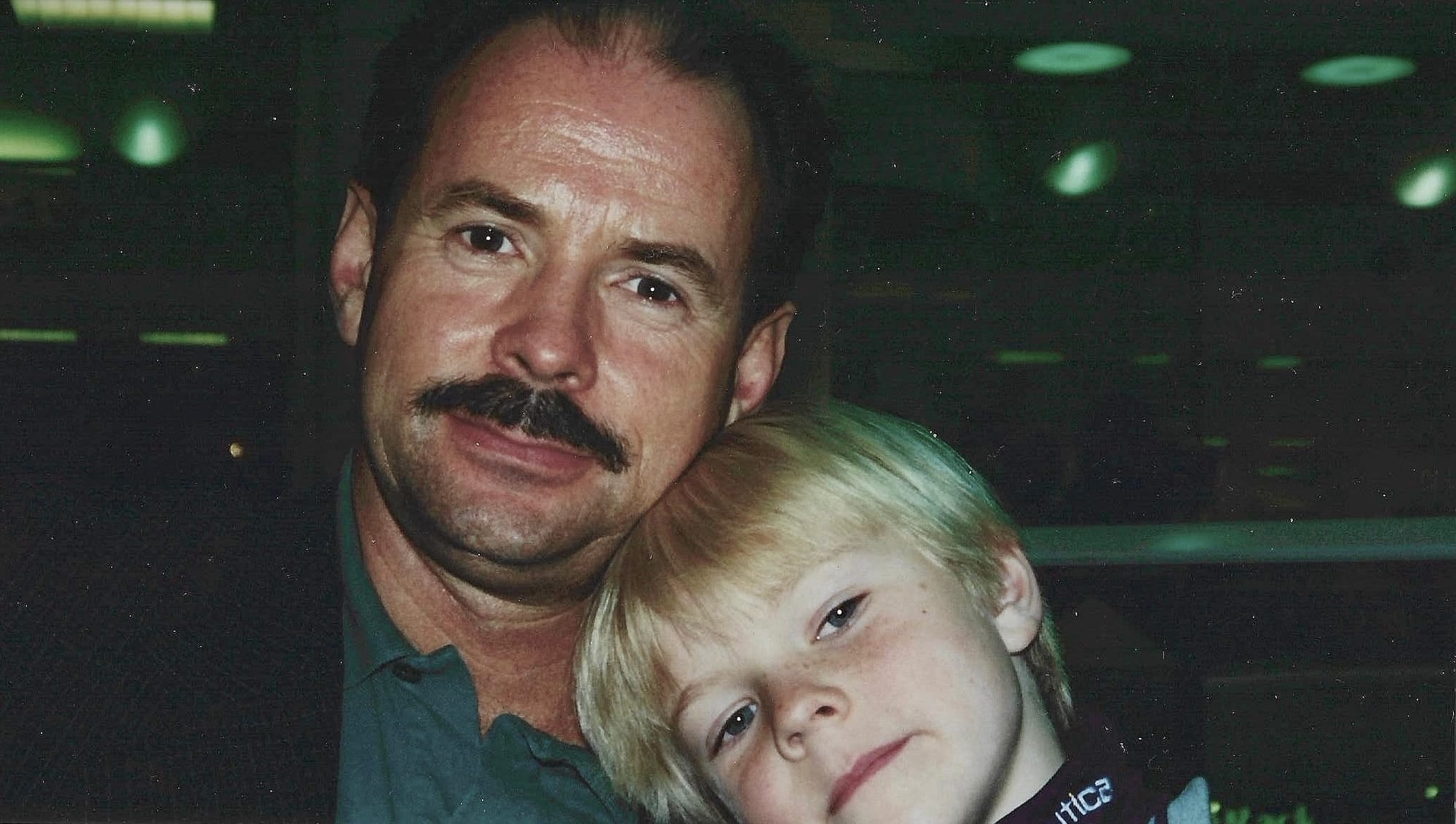
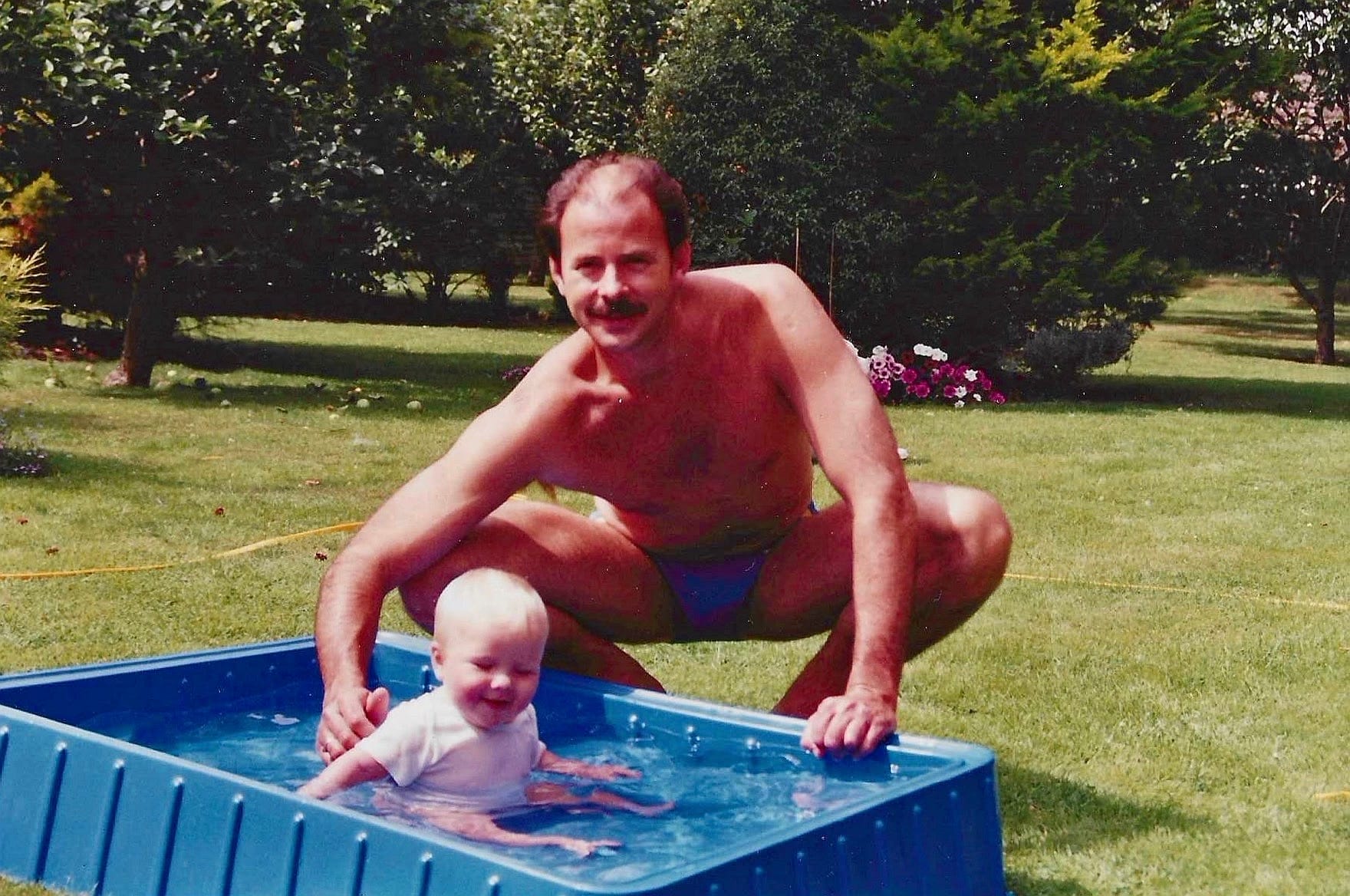
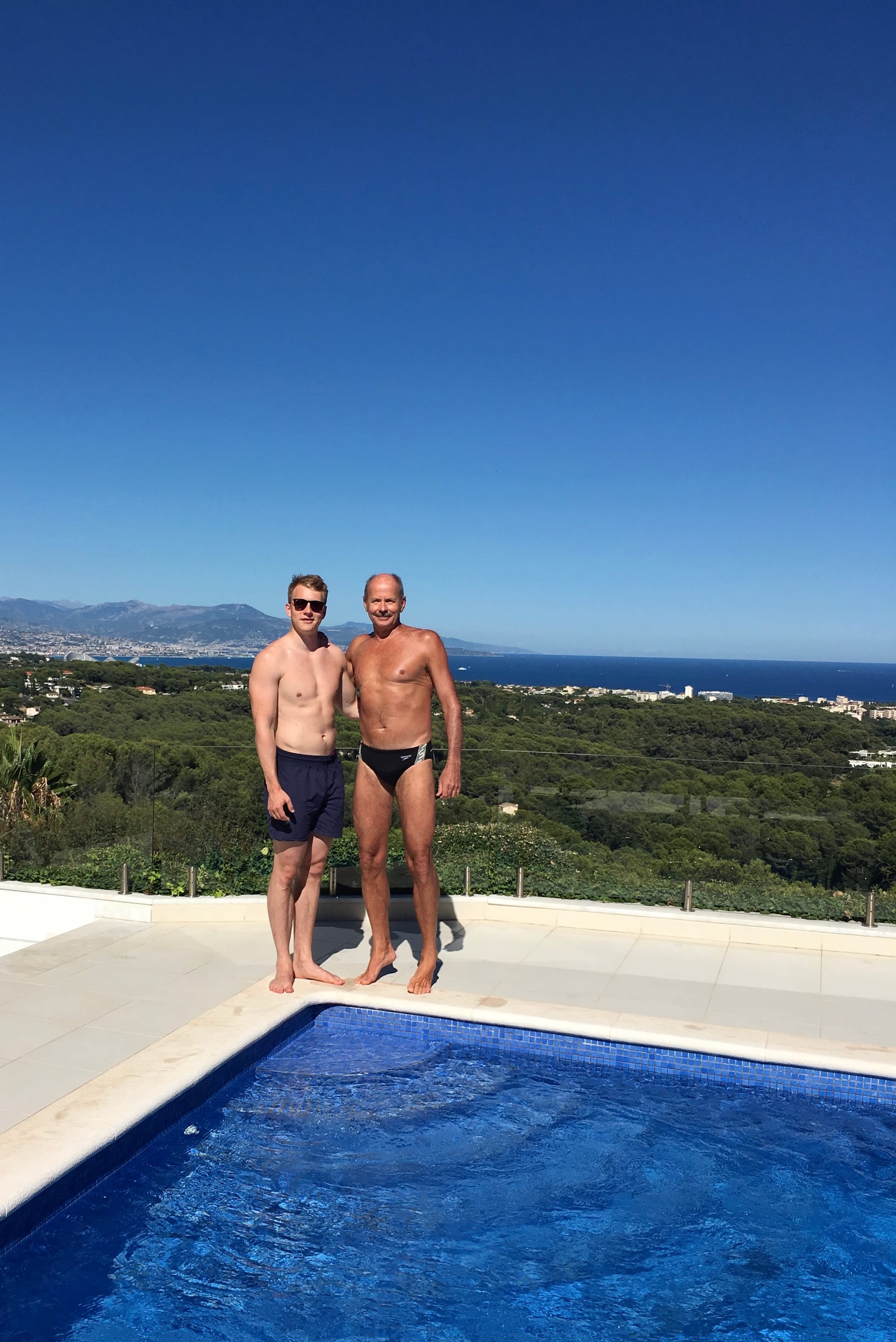

David Wilkie and his son Adam - courtesy of Adam Wilkie
Here's a touch of how Adam remembers his father, who was just 'dad' not 'the Olympic champion'.
“The overriding feeling I have of my father was just what a wonderful man he was. He was incredibly kind, he was funny.” The eulogy he wrote for his father recalled a man who “always wanted to make people smile, to have a laugh, always wanted it to be light and jovial”.
David, says his son, “didn't take life too seriously, and he definitely didn't take himself too seriously…
"His feet were firmly on the ground. He just never let his achievements get to him. I’ve heard the wonderful things that people have said about him. That’s comforting because it reinforces the man I only really knew, obviously, as dad. He was so humble and didn’t really talk about it. He kind of had this life separate to swimming and what came before us.
"Dad was 22 when he retired, so I wasn’t even a thought then. I think at that age, he didn't even want children. He was done and dusted with swimming long before I came along. When I went to school, the other kids tended to know more about it all than me, and there was a presumption that I'd be good at swimming. So I kind of felt like I had to swim at the school. I’d slowly get to learn about what dad achieved.
" I’d go round to my friends’ houses when I was 10 and their mums would gleefully tell me ‘I used to have a poster of your dad on my wall’. I thought that was a bit weird."
I learned about it through snippets I heard from others. We’d be out and people I’d never met would come up and say ‘David, great to see you’, and I’d be like, how the hell do you know my dad? Later on, I’d occasionally talk to my dad about it, later on.
“The gold medal lived in a sock drawer. It would occasionally come out if he was going to an event or a photographer came over, but it wasn't an ever-present piece of my upbringing.”
Glimpses of competitiveness in his dad, were, however. Wilkie junior recalls through laughter:
“There was a duality to him. When I was a kid, I played badminton and other games with him, and I wasn't allowed to win, whatever those games were. He still had that incredibly competitive streak in him, but with a lovely balance of being a very laid-back gentleman.”
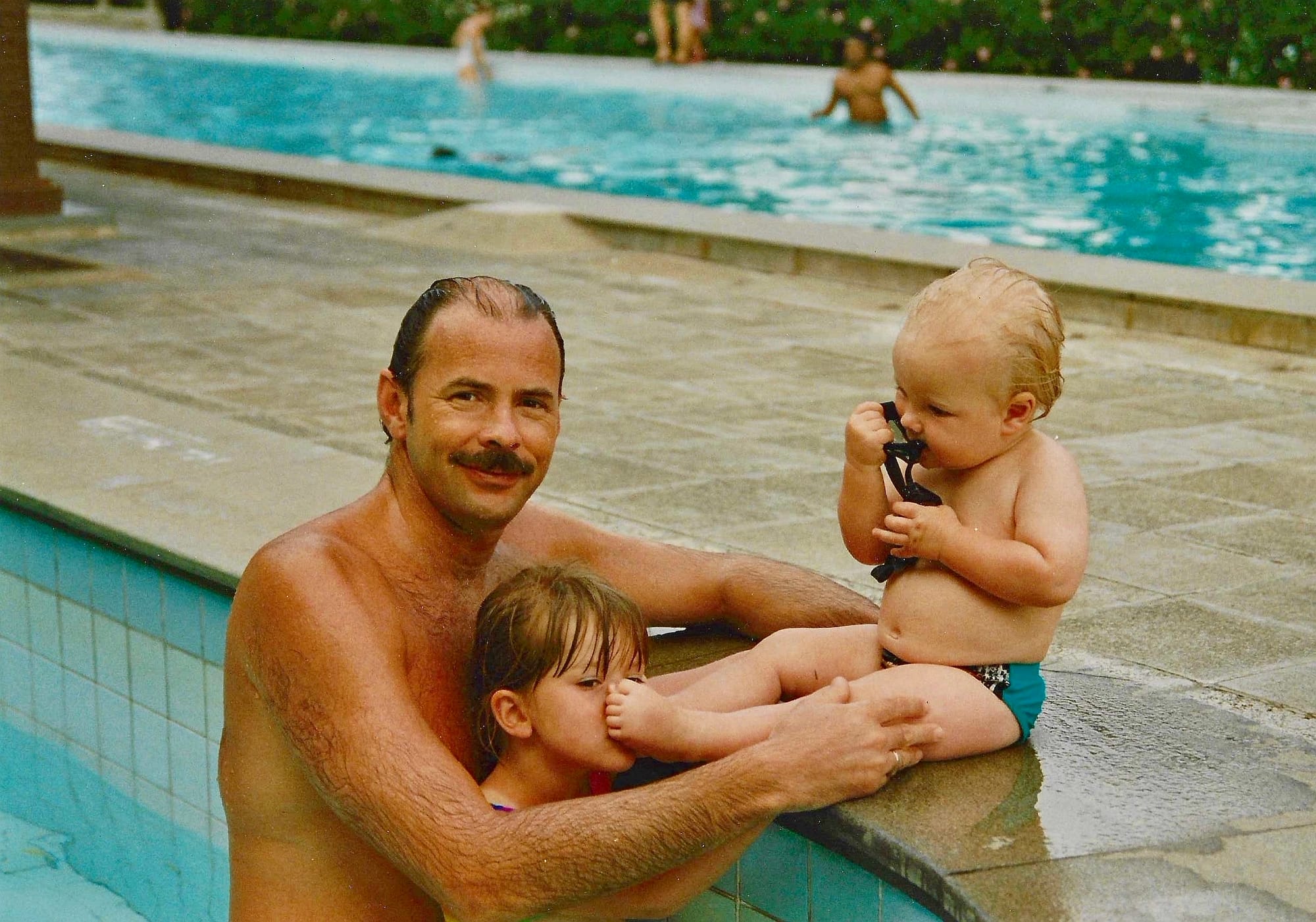
David and his and Helen's kids, Natasha and Adam - courtesy of Adam Wilkie
Had father and son ever sat together and watched the video of the golden moment?
“I never watched it with him when he was alive,” Adam replies.
“I think I might have watched it once or twice back then but not with him. I’ve watched it more and more since we lost him. It would have felt weird for us both to have watched it together. It was the same with his autobiography. I didn't read that until he died and I wish I had because that would have kicked off questions in my mind to ask him. But looking back, I'm also glad I didn't read it. It’s horrible to lose your father, we all go through it, but to have something like that, the book, those memories, to be able to read and learn more about him has been incredibly comforting and has felt like he wasn’t completely gone. It adds colour to the wonderful memories you've already got.”
'That's kind of why I'm doing this challenge. If I'm honest, it's a way for me to learn more about my father, who he was, what he did. There’s this rich legacy that I get to delve into and learn more about and look up to, for your whole life. He's still able to teach me lessons, and to be by my side even though he's not here.”
“That's wonderful. It's also scary. It's daunting and it’s going to be the hardest thing I've ever done.”
Did you Known That David Wilkie Walked Away From A Comeback at 33?
Before Wilkie goes off for a long rest ahead of Monday’s baptism, he reveals a little known fact about his father:
“My dad tried to make a comeback at 33, the same age as I am now. I love that synergy. It was 11 years after he’d retired but it didn’t come to anything because amateur rules were still in place in the 1980s and he was ‘not classed as an amateur’."
The story continues with Adam, whose job has been left open should he wish to return. He’s not sure.
“It’s wonderful to have that chance to return, but I want to see where this journey is going to take me. I might find myself drawn to sport and sports science, sports psychology. It’s all so interesting. I'm almost hoping that it will show me some other thing that I'm going to become very interested in and may take me off in a different direction."
One he might take knowing he did all he could to honour his father and keep David Wilkie's legacy alive in precisely the way the great champion would have loved.


