
Why Hunter Is Free To Gather A Big Pay Day But Is Best Gone Fishing When 2028 Olympics Come Round
SOS FORUM: Should Hunter Armstrong be allowed to have a foot in both camps, WADA compliant and non-compliant? What a mess that would be...

THEMA: OF PREDATOR AND PREY
Swimmers have been wanting a professional wage for the job they do for at least as far back as the 1970s and 1980s when, ironically, Soviet bloc athletes were far more heavily funded and subsidised than those abiding by 'amateur' rules in the West.
That imbalance was one of several death knells that tolled for amateurism and ushered in a 'professional' era in the pool. Before FINA woke up, smelled the coffee and slapped its brand on competitions that had pioneered the first modern-day World-Cup prizes in swimming, the sport saw cars parked on the side of the pool as the swimmers lined up to battle for the keys.
Those were heady and hopeful times.
Some four decades on, prize money on the current World Cup tour is fairly decent for a relative few players at the deep end; ok in an 'alright' sort of way for others; and almost irrelevant for many with no access to such fields of engagement (doable for those who are selected and get funding, less so for those who may win something, but all too little to justify the costs of jetting off and then sustaining all associated costs.
In short, there is nothing in swimming remotely like a professional league in which all players get paid and engage regularly with a large audience throughout a distant and sustained season. Nor is there anything like the model of tennis, in which a player who makes the first round at the likes of Wimbledon can take to the circuit knowing that even at that level of funding, they are being paid at a sustainable rate for the job they do.
It is fair to say that, 40 years after swimmers were able to turn 'professional' without risking a lifetime ban for accepting expenses for transport costs incurred to get to a pool where they would teach children to swim. That's right: banned from mainstream swimming for life.
And that's been the unanswered question of the week: what should be banned from the Olympic pool in a season that is scheduled to see the Enhanced Games put on an event in which athletes it has encouraged to take substances banned in Olympic sport will race for money.
The question is in this context: Hunter Armstrong, the American sprinter who held the World record in the 50m backstroke between April 2022 and July 2023, wants a foot in both camps, WADA-Code complaint, and non-compliant. You can read his wishes and reasoning here:
 Dan Murphy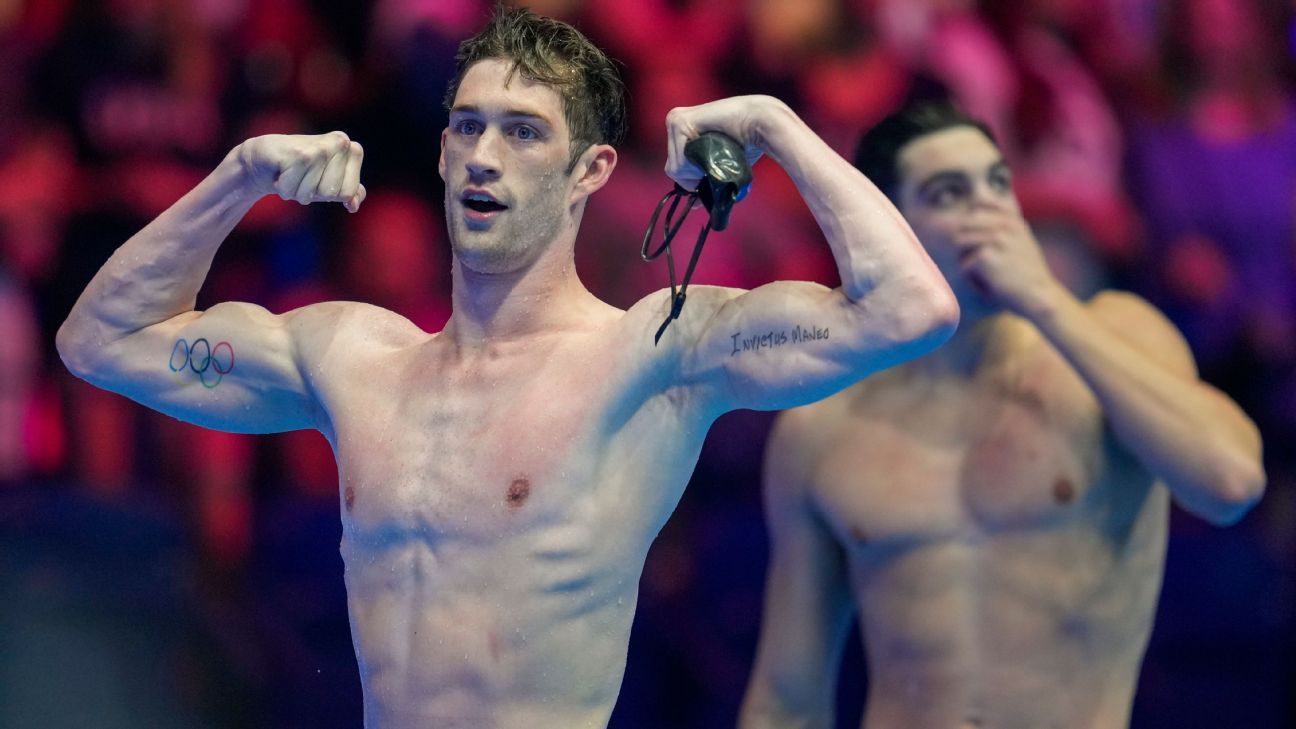
Let's take the plunge into the saga so far and consider what might happen if two incompatibles take wing together not as birds of a feather but as predator and prey ...


